How to Prune Trecul's toothleaf?
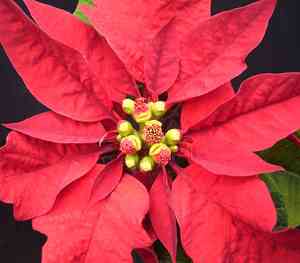
Recognizable by its distinctive leaves, trecul's toothleaf thrives with trimming performed in early spring, right before fresh shoots emerge. Essential methods involve eliminating deceased or ailing branches and reducing density to boost air movement. Refrain from severe cuts, as trecul's toothleaf favors gentle shaping. Trimming fosters more vigorous development and elevates its decorative charm. Always employ disinfected implements to avert illness. Adhering to these recommendations guarantees a sturdy and appealing specimen.
What Are the Benefits of Pruning Trecul's Toothleaf?
What Are the Benefits of Pruning Trecul's Toothleaf?
Trimming trecul's toothleaf promotes robust development and maintains its form. This aids in size management, enhances visual appeal, boosts resistance to pests and diseases, and improves general well-being. Consistent trimming encourages superior blooming and fruiting, aligning with trecul's toothleaf's growth patterns.
What Is the Best Time for Pruning Trecul's Toothleaf?
What Is the Best Time for Pruning Trecul's Toothleaf?
Trimming trecul's toothleaf in early spring is optimal as this timing allows for rapid recovery as it enters its most active growth phase. Early spring pruning fosters a strong structure and directs energy towards new growth, ensuring vigorous health and prime development throughout the growing season. Furthermore, pruning before the active growth period minimizes the risk of infections and pests, which are less active during cooler times.
What Tools Do I Need to Prune Trecul's Toothleaf?
Bypass Pruners
Bypass pruners deliver a precise cut, crucial for maintaining trecul's toothleaf's health. They are perfect for severing live branches up to 0.5 inches in diameter.
Loppers
Loppers are essential for thicker branches, typically between 0.5-2 inches. They offer increased leverage and accuracy for cutting larger stems of trecul's toothleaf.
Pruning Saw
A pruning saw is vital for branches exceeding 2 inches in diameter. Its teeth are designed to cut through dense wood cleanly and efficiently, reducing the chance of tearing.
Gloves
Durable gardening gloves are necessary to shield hands from potential irritation when handling trecul's toothleaf and from sharp implements.
Disinfectant
A disinfectant is required for cleaning tools before and after use to prevent disease transmission. Use alcohol or a 10% bleach solution.
How to Prune Trecul's Toothleaf
Inspection
Thoroughly check trecul's toothleaf for any indications of illness, wilting, or dead tissue, focusing on foliage and branches.
Tool Sterilization
Sanitize pruning tools with a solution of one part bleach to nine parts water to prevent the spread of pathogens.
Remove Diseased Leaves
Carefully snip off diseased leaves using sharp pruning shears, making cuts just below the affected area to prevent further spread.
Remove Withered Leaves
Trim withered leaves at their base where they connect to the main stem to maintain plant vitality and appearance.
Remove Dead or Diseased Branches
Cut dead or diseased branches back to the main stem or to a robust side shoot, ensuring a clean cut just above a node or bud.
Common Pruning Mistakes with Trecul's Toothleaf
Improper Timing
Pruning at an unsuitable time can disrupt the plant's growth cycle, leading to poor health and reduced blooming.
Over-Pruning
Removing too much foliage at once can stress the plant, weakening its overall structure and potentially causing dieback.
Incorrect Cuts
Making improper cuts, such as cutting too close to the main stem, can create wounds that take longer to heal and are more vulnerable to disease.
Neglecting Tools
Using dull or unclean tools can harm the plant tissue, increasing the risk of infection and impeding the healing process.
Ignoring Plant Form
Disregarding the plant's natural growth habit can result in an unnatural shape, diminishing its aesthetic appeal and potentially its health.
Common Pruning Tips for Trecul's Toothleaf
Sanitize Tools
Always clean your pruning tools before use to prevent the spread of disease. Sharp tools make clean cuts, which helps the plant heal faster.
Make Clean Cuts
Ensure cuts are made just above a bud or node to encourage new growth. Avoid leaving stubs, as they can decay and lead to infections.
Moderate Pruning
Remove no more than 25% of the plant's foliage at one time. This prevents stress and allows the plant to maintain enough leaves for photosynthesis.
Shape Thoughtfully
Prune to retain the natural shape of the plant, allowing for better air circulation and light penetration, promoting overall health.
Regular Checks
Inspect the plant regularly for dead or diseased branches and remove them promptly to keep the plant healthy and vigorous.



