How to Prune Sarsparilla vine?
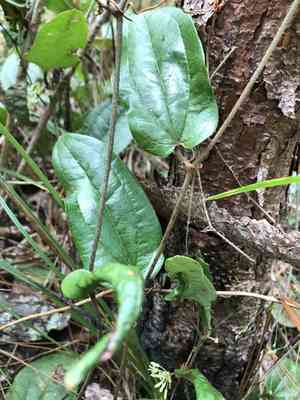
A robust perennial climber, sarsparilla vine flourishes with consistent upkeep. In spring, remove deceased or excessively dense growth to foster well-being and regulate expansion. Summer trimming manages dimensions and promotes air circulation, vital for averting ailments. Minor shaping in autumn can preserve its form. Employ sharp, sanitized implements for accurate incisions, which aids in swift recovery and lessens strain on sarsparilla vine. Strategic pruning not only boosts vitality but also supports the abundant exhibition of leaves and interwoven stalks typical of this variety.
Advantages of Trimming Sarsparilla Vine
Advantages of Trimming Sarsparilla Vine
Trimming sarsparilla vine promotes robust development and maintains its form. Consistent cutting encourages a thick, vibrant appearance and prevents excessive growth that can lead to inadequate air circulation and illness.
Optimal Time for Pruning Sarsparilla Vine
Optimal Time for Pruning Sarsparilla Vine
In Spring, sarsparilla vine's growth cycle commences, making it the perfect period for pruning to stimulate fresh growth and shape the vine. Early Summer allows for the removal of any unhealthy or superfluous growth before the peak growing season. Pruning in Fall is advantageous for eliminating old growth and preparing sarsparilla vine for dormancy, but care should be taken to do so after the plant has produced fruit to avoid affecting the subsequent season's yield.
Required Tools for Pruning Sarsparilla Vine
Hand Pruners
Excellent for cutting through small stems and branches up to 3/4 inches in diameter, providing precise control for selective pruning of sarsparilla vine.
Loppers
Suitable for somewhat larger branches, typically up to 1.5 inches in diameter, offering greater leverage to cut through sarsparilla vine's tougher or woodier stems.
Pruning Saw
Essential for removing larger, more mature stems that hand pruners and loppers cannot effectively manage due to sarsparilla vine's potential for thicker growth.
Gloves
Protects hands from sarsparilla vine's thorns or rough textures, ensuring a safe pruning process.
Safety Glasses
Shields eyes from potential flying debris while cutting through sarsparilla vine's dense growth.
How to Prune Sarsparilla Vine
Disinfect tools
Before beginning, ensure all pruning tools are clean and sanitized to prevent the spread of disease to sarsparilla vine.
Identify
Examine sarsparilla vine for indications of disease, wilting, or dead tissue, including leaves and branches. Carefully determine which sections need removal.
Prune diseased leaves
Using sharp pruning shears, carefully snip away any diseased or withered leaves. Make clean cuts to prevent harm to healthy parts of sarsparilla vine.
Remove dead branches
Cut dead branches at the point where they meet healthy tissue. Use a saw for thicker branches and shears for smaller ones. Angle cuts to allow water runoff and prevent stem rot.
Dispose
Collect and discard all pruned material away from sarsparilla vine to reduce the risk of re-infection or pest infestation.
Common Pruning Errors with Sarsparilla Vine
Over-pruning
Removing too much growth from sarsparilla vine can weaken the plant and make it susceptible to diseases or pests.
Improper cuts
Making cuts too close to the main stem or leaving large stubs can lead to poor wound healing and potential infection.
Not sterilizing tools
Using unsanitized tools can spread disease from one plant to another during pruning.
Ignoring dead or diseased growth
Failing to remove dead or diseased parts of sarsparilla vine can hinder new growth and may cause the disease to spread.
Pruning without a plan
Random or unstrategic cuts can result in an undesirable plant shape and may harm the long-term health of sarsparilla vine.
Tearing instead of cutting
Tearing the vines instead of using a sharp tool can cause unnecessary damage and ragged wounds that are slow to heal.
General Pruning Advice for Sarsparilla Vine
Sharp tools
Always use clean, sharp pruning shears or a knife to make clean cuts that sarsparilla vine can heal quickly from.
Hygiene
Sterilize pruning tools before and after use to prevent the spread of disease among plants.
Cutting technique
Make cuts at a 45-degree angle, about 1/4 inch above a leaf node or bud to encourage new growth in the desired direction.
Removal of non-beneficial growth
Regularly remove dead, diseased, or overgrown parts of sarsparilla vine to promote air circulation and reduce the risk of disease.
Selective thinning
Thin out dense areas of sarsparilla vine's growth to increase light penetration and improve the overall shape of the plant.
Focus on the base
Encourage fuller, bushier growth by pruning close to the base of sarsparilla vine, which can stimulate the growth of new shoots.



