How to Prune Dominica sage?
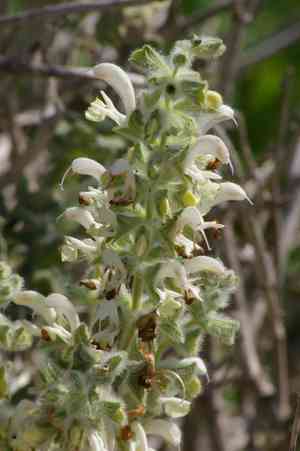
Dominica sage features fragrant leaves and vivid flowers. Perform pruning in late winter to early spring, eliminating deceased or injured stalks to encourage new development. Reduce crowded sections to improve air circulation and light access, thereby deterring ailments. Lightly trim after blooming to preserve its form and stimulate additional blossoms. Consistent trimming fosters a robust, energetic plant, guaranteeing peak growth and flowering. Verify that instruments are keen and sanitized to avert contagions.
What Are the Benefits of Pruning Dominica Sage?
What Are the Benefits of Pruning Dominica Sage?
Trimming dominica sage promotes vigorous development and maintains its form. It fosters robust growth, enhances air movement, and lowers disease risk. Furthermore, routine trimming boosts blooming and overall plant vitality.
What Is the Best Time for Pruning Dominica Sage?
What Is the Best Time for Pruning Dominica Sage?
Trimming dominica sage in late winter or early spring before new growth starts is ideal as it stimulates strong new development and ensures the plant's energy is directed towards forming healthy, sturdy branches. This timing coincides with the dormancy period when the plant is less susceptible to stress and illnesses. Early spring pruning also allows dominica sage to recover quickly and maximize its flowering potential during the growing season.
What Tools Do I Need to Prune Dominica Sage?
Bypass pruners
Perfect for precise cuts on living stems due to their scissor-like action, which ensures clean cuts that encourage healthy regrowth. Use them for routine upkeep and deadheading.
Anvil pruners
Suitable for cutting thicker, dead branches of dominica sage. They feature a straight blade that cuts against a flat surface, making them effective for tougher, woody stems.
Hand saw
Crucial for cutting through thicker branches that exceed the capacity of pruners. Use it for major pruning tasks to shape and control the size of dominica sage.
Loppers
Excellent for reaching higher branches or for applying more leverage when cutting thicker stems. They are useful for managing larger and older dominica sage plants.
How to Prune Dominica Sage
Identification
Start by identifying and marking any diseased or withered leaves on dominica sage. Look for clear signs of damage like discoloration or wilting.
Disinfection
Sanitize your pruning tools to prevent the spread of disease. Use a solution of one-part bleach to nine-parts water or alcohol wipes.
Cutting
Carefully remove the diseased and withered leaves. Make cuts close to the base of the affected leaves, ensuring not to harm the healthy parts of dominica sage.
Disposal
Properly dispose of the trimmed plant material. Do not compost diseased leaves; instead, seal them in a plastic bag and discard them in the trash to avoid spreading pathogens.
Observation
Monitor dominica sage regularly after pruning for any new signs of disease or wilting. Repeat the pruning process as needed to maintain plant health.
Common Pruning Mistakes with Dominica Sage
Over-pruning
Removing too much foliage at once can stress dominica sage, leading to poor growth and reduced flowering. It's crucial to prune sparingly to avoid shock.
Improper tool use
Using dull or unsuitable tools can cause jagged cuts, making dominica sage vulnerable to disease. Ensure tools are sharp and appropriate for the branch size.
Pruning at the wrong angle
Incorrect cutting angles can impede healing and vigor. Cuts should be clean and at a slight angle to promote proper regrowth.
Ignoring dead or diseased wood
Failing to remove dead or diseased branches can allow pathogens to spread. Regularly inspect and remove any compromised wood.
Common Pruning Tips for Dominica Sage
Maintain air circulation
Thinning the interior branches of dominica sage helps improve airflow, reducing the risk of fungal issues and promoting healthier growth.
Shape for structure
When pruning, aim to create a balanced shape that supports the plant's structure. This also helps to distribute light evenly, enhancing overall health.
Sanitize tools
Clean pruning tools before and after each use to prevent the spread of disease. This practice is particularly important when cutting diseased wood.
Limit pruning to specific intervals
Frequent, light pruning is better than occasional heavy pruning. Focus on removing only a few inches or the tips of branches to encourage a fuller, bushier appearance.
Remove crossing branches
Cutting back any crossing or rubbing branches ensures that dominica sage can grow without structural weaknesses or damage from friction.



