How to Prune Evergreen rose?
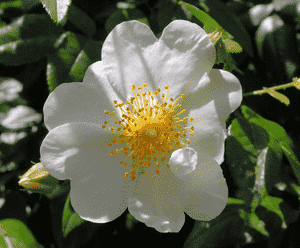
Distinguished by its enduring vitality, the evergreen rose flourishes with yearly trimming. Essential methods involve excising deceased, injured, or ailing branches, and reducing crowded sections to improve light exposure and airflow. Specifically, shorten excessively long shoots and sculpt for visual attractiveness. The most effective pruning should occur in late winter or early spring, coinciding with the plant's inactive period. Appropriate trimming of the evergreen rose stimulates vigorous development, fosters blooming, and averts tangling, guaranteeing a strong presentation.
Advantages of Trimming Evergreen Rose
Advantages of Trimming Evergreen Rose
Trimming evergreen rose promotes abundant flowering by eliminating dead wood and thinning congested areas. It aids the plant in sustaining vigorous growth and a desired form, ensuring peak health and visual appeal.
Optimal Period for Trimming Evergreen Rose
Optimal Period for Trimming Evergreen Rose
Trimming evergreen rose in late winter or early spring is strategic for several reasons. These periods precede the new growth cycle when evergreen rose remains dormant. Pruning at this time minimizes plant stress and allows for robust spring growth. Furthermore, removing any dead or diseased wood before active growth begins helps prevent disease spread and encourages healthier, stronger shoots. Post-winter pruning also offers a clearer view of the plant's structure, simplifying shaping and maintaining an attractive form. Since evergreen rose blooms on old wood, late winter or early spring pruning ensures flowering is not negatively impacted. It's crucial to avoid heavy pruning late in the growing season, as new growth might not have adequate time to harden before cold weather, increasing frost damage risk.
Required Tools for Trimming Evergreen Rose
Bypass Pruners
Perfect for making precise cuts on evergreen rose's smaller stems, minimizing tissue damage.
Loppers
Ideal for reaching into evergreen rose's dense growth and cutting thicker branches that bypass pruners cannot manage.
Pruning Saw
Essential for removing old, woody evergreen rose stems that are too thick for loppers.
Gardening Gloves
Crucial for protecting hands from evergreen rose's thorns during the trimming process.
Pruning Sealer
Beneficial for sealing larger cuts on evergreen rose to prevent disease and pest infiltration.
How to Trim Evergreen Rose
Sanitizing Tools
Before beginning the trimming process, clean and sterilize your pruning tools to prevent disease transmission to evergreen rose.
Eliminate Diseased Parts
Carefully inspect evergreen rose for diseased leaves and branches. Using sharp pruning shears, cut these parts away from the plant, making clean cuts at a 45-degree angle to avoid harming healthy tissue.
Deadheading
Deadhead evergreen rose by removing spent flowers. This encourages new growth and maintains the plant's appearance. Snip the stem just above the first set of healthy leaves below the withered flower.
Trim Dead Branches
Identify and trim dead branches from evergreen rose. Cut them back to their origin point or to the main stem, ensuring no stubs are left, as these can be entry points for pests or disease.
Thinning
Thin out evergreen rose to enhance air circulation and light penetration. Remove some of the older stems at ground level, which will promote new growth and plant rejuvenation.
Common Trimming Errors with Evergreen Rose
Excessive Pruning
Removing too much growth from evergreen rose can weaken the plant, reduce its vigor and subsequent flowering, and make it more vulnerable to diseases and pests.
Incorrect Cut Placement
Cutting too far from a bud or not at an angle can lead to dieback and increase the likelihood of disease entry in evergreen rose.
Using Dull Tools
Trimming evergreen rose with dull or unsanitized tools can damage branches, creating jagged wounds more susceptible to diseases.
Ignoring Diseased Material
Not removing diseased, damaged, or dead wood from evergreen rose risks pathogen spread and can attract pests to the plant's healthy parts.
Neglecting Plant Shape
Failing to consider evergreen rose's natural shape and growth habit during trimming can result in unattractive plants with poor form and less robust flowering.
General Trimming Advice for Evergreen Rose
Sharp Clean Tools
Utilize sharp, sterilized pruning shears to make clean cuts that will heal quickly and minimize disease risk in evergreen rose.
Angled Cuts
Make cuts at a 45-degree angle, approximately 1/4 inch above an outward-facing bud, to encourage outward growth and prevent water accumulation at the cut site in evergreen rose.
Thin Interior
Thin out crowded branches and remove any that cross over others to improve air circulation and reduce disease incidence in evergreen rose.
Shape Maintenance
Follow evergreen rose's natural growth habit, trimming to maintain its shape and encourage abundant blooms without altering its inherent structure.
Healthy Growth Removal
Avoid cutting too much healthy growth; focus only on removing what is necessary to promote the health and vigor of evergreen rose.
Remove Older Canes
Remove older canes at the base to rejuvenate evergreen rose and stimulate the growth of new, healthy canes capable of producing more flowers.



