How to Prune Biennial cinquefoil?
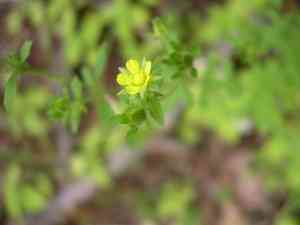
Distinguished by its vibrant yellow blossoms and composite foliage, biennial cinquefoil flourishes with deliberate trimming. The most effective times for pruning are early spring and late winter, right before fresh development commences. Eliminate any lifeless or ailing stalks to avert problems, and thin congested sections to encourage air circulation and light exposure. Trimming during these intervals boosts flowering and development by reallocating vitality to the robust sections of biennial cinquefoil. Always employ sanitized, keen implements to prevent harm to the plant and the dissemination of pathogens.
What Are the Benefits of Pruning Biennial Cinquefoil?
What Are the Benefits of Pruning Biennial Cinquefoil?
Biennial cinquefoil thrives with pruning, leading to robust growth and a tidy form. Trimming encourages healthy development, manages size, and improves aesthetics. Proper cutting can also boost blooms, enhance pest and disease resistance, and ensure the plant flourishes.
What Is the Best Time for Pruning Biennial Cinquefoil?
What Is the Best Time for Pruning Biennial Cinquefoil?
Trimming biennial cinquefoil in early spring or late winter is optimal, allowing the plant to recuperate and grow strongly in the upcoming season. During these periods, the plant is dormant or just starting to emerge from dormancy, minimizing stress and potential harm. Pruning at this time improves air circulation and light penetration, decreasing disease risk. Additionally, since biennial cinquefoil has not yet entered its flowering and fruiting stages, pruning won't disrupt its blooming cycle, resulting in healthier and more abundant flowers.
What Tools Do I Need to Prune Biennial Cinquefoil?
Hand Pruners
Hand pruners are perfect for snipping small stems and deadheading biennial cinquefoil flowers. Their precision ensures clean cuts, vital for the plant's well-being.
Bypass Pruners
Bypass pruners are excellent for making smooth cuts on living growth. These are essential for shaping biennial cinquefoil and removing any diseased or unhealthy branches.
Pruning Shears
Pruning shears are useful for more delicate trimming tasks on biennial cinquefoil, promoting new growth without harming other plant parts.
Pruning Saw
A pruning saw is helpful for cutting through thicker, woody stems that might develop in the second year of biennial cinquefoil's life cycle.
How to Prune Biennial Cinquefoil
Inspection
Carefully examine biennial cinquefoil for any indications of diseased or withered foliage. Ensure all problematic areas are identified.
ToolsPreparation
Gather and sanitize pruning implements like shears or scissors to prevent disease transmission. Sharp tools guarantee clean cuts.
RemoveDiseased
Start by cutting off any diseased leaves at their base where they meet healthy tissue. Discard these leaves to avoid contamination.
RemoveWithered
Trim away withered leaves. Make precise cuts close to the leaf stem's base, avoiding damage to nearby healthy sections.
CheckUp
After pruning, re-examine the plant for any missed leaves and monitor biennial cinquefoil over the subsequent weeks for new signs of disease or decay.
Common Pruning Mistakes with Biennial Cinquefoil
Incorrect Technique
Using the wrong tools or failing to make clean cuts can harm the plant. Jagged cuts can invite disease and impede healing.
Over-Pruning
Removing too much foliage can stress biennial cinquefoil, leading to stunted growth and reduced flowering. Always ensure sufficient greenery remains to support the plantâs energy requirements.
Timing Errors
Pruning at an inappropriate stage of the plant's biennial cycle can disrupt its natural development and delay blooming. Understanding the plant's growth cycle is crucial, even if the best pruning season isn't detailed here.
Neglecting Sanitation
Failing to disinfect pruning tools between cuts can spread diseases. Unclean tools can introduce pathogens that can harm biennial cinquefoil.
Ignoring Plant Health
Pruning an already stressed or unhealthy plant can worsen its issues, further weakening it and potentially leading to its demise.
Common Pruning Tips for Biennial Cinquefoil
Use Sharp, Clean Tools
Ensure your pruning shears are sharp and disinfected before making any cuts. This helps create clean cuts and lowers the risk of infection.
Prune for Shape and Health
Biennial cinquefoil benefits from selective pruning to maintain its form. Focus on removing dead or damaged stems, and any crossing branches that could cause wounds.
Gradual Pruning
Avoid removing more than one-third of the plant at a time. Gradual pruning allows biennial cinquefoil to recover more easily and maintain its vigor.
Focus on the Base
Regularly check the base for any signs of rot or disease. Promptly remove any affected parts to prevent spread and support the overall health of biennial cinquefoil.
Encouraging New Growth
Selective trimming of the longest stems can encourage more vigorous and bushier growth. This technique enhances both the appearance and health of the plant.



