How to Prune Variableleaf pondweed?
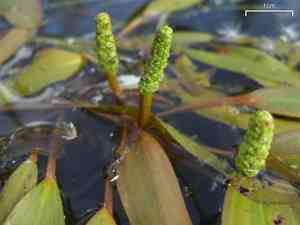
This water-dwelling perennial, distinguished by its diverse leaf forms, flourishes in freshwater environments. For variableleaf pondweed, trimming is best performed in spring or early summer when its development is robust, improving light access and water movement. Trim the leaves and stalks just above the water's top to encourage robust development. Consistent trimming not only preserves its intended appearance but also stops excessive growth, guaranteeing the best health and flowering of variableleaf pondweed.
What Are the Benefits of Pruning Variableleaf Pondweed?
What Are the Benefits of Pruning Variableleaf Pondweed?
Trimming variableleaf pondweed promotes robust development and maintains its form, ensuring peak health and visual appeal in aquatic settings. Regular removal of old stalks helps revitalize the plant, fostering dense, lush foliage.
What Is the Best Time for Pruning Variableleaf Pondweed?
What Is the Best Time for Pruning Variableleaf Pondweed?
Trimming variableleaf pondweed during Spring and Summer aligns with its active growth periods, fostering strong health and ensuring energy is directed towards new, vigorous growth rather than maintaining old or decaying tissues. Spring pruning helps rejuvenate variableleaf pondweed after winter dormancy, establishing a strong foundation for the growing season. Summer pruning is ideal for maintaining shape, managing plant size, and removing any dead or overgrown sections, improving light penetration and reducing disease risk. These seasons avoid the stress that fall or winter pruning could impose, which is critical as variableleaf pondweed prepares to enter, or is in, a dormant phase.
What Tools Do I Need to Prune Variableleaf Pondweed?
Aquatic Weed Cutter
This tool is effective for reaching into the water and cutting through the thick mats of variableleaf pondweed. Its sharp blades can handle the dense underwater vegetation characteristic of variableleaf pondweed, making it perfect for large-scale management or initial seasonal trimming.
Pond Rake
After cutting the vegetation with a weed cutter, a pond rake is useful for gathering and removing the cut plants from the water. This aids in controlling spread and promoting a healthier pond habitat.
Hand Pruners
For more precise control or smaller-scale management of variableleaf pondweed, hand pruner may be used to trim the plant to the desired length. This is particularly useful for maintaining the aesthetic of garden ponds where variableleaf pondweed is grown.
How to Prune Variableleaf Pondweed
Identify
Carefully examine variableleaf pondweed for any diseased or withered leaves and stems. Look specifically for signs of discoloration, spots, or unusual texture that differentiate unhealthy parts from healthy growth.
Prepare
Gather necessary tools for pruning variableleaf pondweed, primarily sharp and clean scissors or aquatic plant shears. Ensure tools are sterilized to prevent the spread of disease between plants.
Trim leaves
Gently trim diseased and withered leaves of variableleaf pondweed at the base where they connect to the stem. Avoid tearing, which can cause further damage to the healthy parts of the plant.
Trim stems
Cut back any diseased stems of variableleaf pondweed to a healthy area, ensuring each cut is clean and smooth. Avoid cutting too close to the main root mass to maintain plant stability in the water.
Dispose
Properly dispose of all removed leaves and stems away from water bodies to prevent any potential spread of disease. Ensure that all pruned material is completely removed from the environment of variableleaf pondweed.
Common Pruning Mistakes with Variableleaf Pondweed
Overpruning
A common error is removing too much of variableleaf pondweed's foliage at once, which can stress the plant and weaken its vitality. This can lead to reduced vigor and sparse growth.
Inappropriate cutting technique
Using dull or unclean cutting tools can damage variableleaf pondweed's delicate stems, potentially leading to disease or uneven growth. Precise, clean cuts are crucial to maintaining plant health.
Ignoring plant structure
Without paying attention to the natural growth pattern of variableleaf pondweed, gardeners might prune in a way that disrupts its structural integrity or aesthetic form.
Common Pruning Tips for Variableleaf Pondweed
Selective trimming
Focus on removing only the damaged or overgrown parts of variableleaf pondweed to maintain shape and promote healthier, denser growth. This encourages air circulation and light penetration crucial for its development.
Clean equipment
Always use sharp, clean pruning shears. This helps make precise cuts that heal quickly, reducing the risk of infection or pest infestations in variableleaf pondweed.
Consider plant health
Before pruning, assess the overall health of variableleaf pondweed. Remove diseased or dead foliage first, as this helps the remaining parts of the plant thrive by redirecting energy to healthier sections.



