How to Prune Goldeneye phlox?
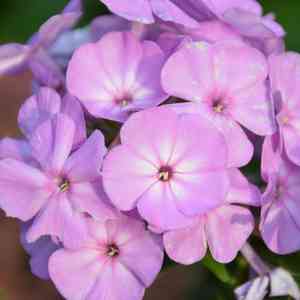
A perennial boasting vivid blossoms, goldeneye phlox thrives with yearly pruning. Perform trimming in late winter or early spring, prior to the emergence of new shoots, to sculpt and revitalize the specimen. Eliminate deceased or frail stalks to foster robust development and superior blooming. Reduce density in congested sections to ensure adequate air movement, thereby preventing mildew. Pruning contributes to sturdy well-being, more compact growth, and amplifies the impressive floral exhibition of this variety.
What Are the Benefits of Pruning Goldeneye Phlox?
What Are the Benefits of Pruning Goldeneye Phlox?
Trimming goldeneye phlox promotes more robust development by eliminating dead or overgrown branches, enhancing air circulation and light penetration. Strategic shaping maintains its visual appeal and ensures it remains healthy and well-proportioned.
What Is the Best Time for Pruning Goldeneye Phlox?
What Is the Best Time for Pruning Goldeneye Phlox?
The optimal period for pruning goldeneye phlox is late winter or early spring, as these times immediately precede the plant's new growth, typically in spring. Removing dead or damaged stems before its active growth phase encourages healthier and more vigorous development. This timing also allows for shaping goldeneye phlox without obstruction from new foliage and flowers, enabling better visibility and more accurate cuts. Furthermore, pruning before new growth helps avoid cutting off developing buds, ensuring the flowering potential of goldeneye phlox is not compromised. The plant is also less vulnerable to diseases during these periods since many pathogens are less active in cooler weather, reducing the risk of infection at pruning sites.
What Tools Do I Need to Prune Goldeneye Phlox?
Hand Pruners
Crucial for making precise cuts on goldeneye phlox's stems, well-suited for its relatively soft stem structure.
Shears
Perfect for shaping the foliage and managing the spread of goldeneye phlox, fostering uniform growth and blooming.
Pruning Saw
Though generally not needed for goldeneye phlox due to its size, it can be useful for removing any old, thickened stem sections if present.
How to Prune Goldeneye Phlox
Clean Tools
Before trimming goldeneye phlox, clean and sanitize pruning shears to prevent disease transmission.
Remove Diseased
Carefully identify and cut away any diseased leaves from goldeneye phlox, ensuring the entire leaf, including its base attachment to the stem, is removed.
Remove Withered
Snip off withered leaves from goldeneye phlox to encourage healthy growth and improve air circulation around the plant.
Dispose
Properly dispose of the removed diseased and withered leaves to prevent potential spread of pathogens to goldeneye phlox or other plants.
Clean Up
After pruning goldeneye phlox, clean the pruning tools again and clear the area of all debris to maintain a healthy environment for the plant.
Common Pruning Mistakes with Goldeneye Phlox
Overpruning
Removing too much foliage from goldeneye phlox can weaken the plant, as it relies on its leaves for photosynthesis. Excessive pruning can stress the plant and diminish its vitality.
Blunt Tools
Using dull or unclean pruning shears can damage the stems of goldeneye phlox, leading to jagged cuts more prone to disease. Clean, sharp tools are essential for clean cuts and the plant's health.
Pruning Healthy Growth
Unnecessarily cutting back healthy stems and leaves can limit the flowering potential of goldeneye phlox. Pruning should focus on removing dead or diseased growth to encourage more blooms.
Improper Cut Placement
Making cuts too far from a bud, leaf node, or main stem can result in unsightly stubs that may not heal properly, risking infection for goldeneye phlox.
Ignoring Plant Shape
Not considering the natural shape of goldeneye phlox when pruning can lead to an unbalanced appearance and may hinder the plant's natural growth pattern.
Uneven Watering Post-Pruning
After pruning, goldeneye phlox requires consistent moisture to recover. Irregular watering can stress the pruned plant, impeding its recovery and growth.
Common Pruning Tips for Goldeneye Phlox
Clean Tools
Always use clean, sharp pruning shears to make precise cuts, which help prevent disease and encourage faster healing for goldeneye phlox.
Target Dead Or Diseased Growth
Focus on removing dead, diseased, or damaged stems to promote the health of goldeneye phlox, as this redirects energy to healthy growth and blooms.
Consider Plant Architecture
Prune goldeneye phlox by considering its natural growth habit to maintain an attractive shape and encourage bushier growth.
Optimal Cutting Point
Make cuts at a 45-degree angle just above a leaf node or a developing stem to promote new growth in goldeneye phlox and to allow water to run off the cut surface.
Thin Out Congested Areas
Thin overcrowded stems of goldeneye phlox to increase air circulation, which helps to prevent fungal diseases and encourages more blooms.
Moderation In Pruning
Prune goldeneye phlox sparingly to shape the plant and remove unhealthy growth, avoiding excessive removal of foliage that can stress the plant.



