How to Prune Smooth phlox?
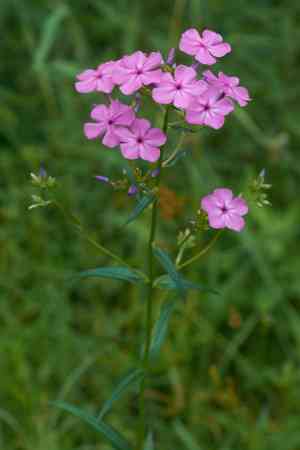
Known for its grouped blossoms and herbaceous habit, smooth phlox thrives with judicious trimming to foster denser foliage and increased flowering. Perform a light trim in spring to stimulate fresh development. Remove faded flowers in summer to extend the blooming period. During autumn, cut back to soil level to ensure a neat look and encourage vigorous spring development. Trimming improves air movement, lowering the chance of illness. Utilize sanitized, sharp implements for pruning to avert harm and the spread of pathogens.
What Are the Benefits of Pruning Smooth Phlox?
What Are the Benefits of Pruning Smooth Phlox?
Trimming smooth phlox promotes abundant flowering, stimulates vigorous development, and helps maintain a desired shape and density, preventing excessive growth.
What Is the Best Time for Pruning Smooth Phlox?
What Is the Best Time for Pruning Smooth Phlox?
Late spring trimming of smooth phlox prepares the plant for vigorous summer growth by removing any dead or damaged stems after the last frost, ensuring energy is directed to healthier parts. Early summer pruning, immediately after blooming, encourages a potential second bloom and helps shape the plant. Early fall pruning focuses on deadheading and removal of spent flowers, maintaining an aesthetically pleasing appearance and preventing unwanted self-seeding.
What Tools Do I Need to Prune Smooth Phlox?
Bypass Pruners
These pruners are ideal for making clean and precise cuts on smooth phlox's stems. Their sharp, curved blades work well for cutting through soft, green growth without crushing plant tissues.
Gloves
Wearing gloves protects the gardener's hands from scratches and plant sap while handling smooth phlox, ensuring a safe pruning process.
Pruning Shears
Smooth phlox may have dense foliage that requires thinning. Pruning shears are suitable for selectively removing some of the older, woody stems to maintain plant health and encourage new growth.
Garden Scissors
For deadheading or trimming delicate areas of smooth phlox, garden scissors provide precise control and are easier to maneuver in tight spaces, keeping the plant's appearance tidy.
How to Prune Smooth Phlox
Disinfect tools
Before pruning smooth phlox, sanitize pruning shears or scissors with a 10% bleach solution or alcohol to prevent the spread of disease.
Remove diseased leaves
Carefully cut away any diseased leaves from smooth phlox at the base of the leaf stem, ensuring not to disturb healthy foliage.
Trim withered leaves
Trim off withered leaves from smooth phlox to maintain good air circulation and reduce potential hiding spots for pests. Cut at an angle to avoid water accumulation on the cut surface.
Deadhead flowers
Deadhead spent blooms by snipping the withered flower stem of smooth phlox just above the first set of healthy leaves to encourage new growth and more flowering.
Clean up
Remove all trimmings from around smooth phlox to reduce the chance of disease or pests and to keep the area tidy.
Common Pruning Mistakes with Smooth Phlox
Overpruning
Removing too much foliage or too many stems can weaken smooth phlox, disrupt its natural shape, and reduce flowering.
Blunt tools
Using dull or dirty pruning tools can cause jagged cuts, making smooth phlox vulnerable to pests and diseases.
Improper cut placement
Cutting too far from a bud or node, or too close to it, can result in poor regrowth and potentially harm smooth phlox.
Neglecting deadheading
Failing to remove spent flowers can prevent smooth phlox from producing new blooms and can lead to self-seeding if not desired.
Pruning for size only
Focusing solely on reducing the size of smooth phlox without considering its natural form can result in an unattractive plant shape and fewer blossoms.
Common Pruning Tips for Smooth Phlox
Sharp tools
Always use sharp, clean pruning shears to make clean cuts, which help smooth phlox heal faster and reduce disease risk.
Angled cuts
Make cuts at a 45-degree angle above a bud or leaf node to encourage water runoff and new growth in the desired direction for smooth phlox.
Selective thinning
Thin out crowded stems to improve air circulation and light penetration, which can enhance the overall health and bloom of smooth phlox.
Deadheading
Regularly remove spent flowers to stimulate smooth phlox to produce more blooms and to maintain a neat appearance.
Post-bloom pruning
Lightly trim smooth phlox after flowering to shape the plant and encourage a potential second flush of flowers.



