How to Prune Blackseed ricegrass?
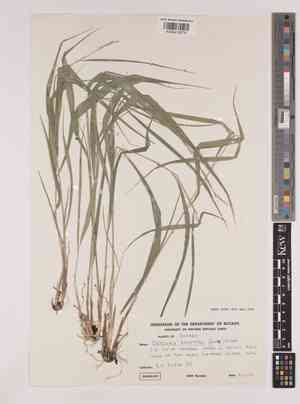
Blackseed ricegrass, an indigenous perennial grass, showcases a striking seed head. Trimming is best performed in early spring or during its dormant winter phase, to sustain the plant's vitality and robustness. Cut back aged foliage to the ground level to stimulate fresh development and improve air movement. This action not only deters ailments but also fosters a more compact, appealing clump. Consistent trimming greatly enhances the aesthetic appeal and lifespan of blackseed ricegrass.
What Are the Benefits of Pruning Blackseed Ricegrass?
What Are the Benefits of Pruning Blackseed Ricegrass?
Trimming blackseed ricegrass is essential for maintaining its compact form and encouraging robust development. Regular cutting promotes a strong structure, vital for optimal growth and overall plant vitality.
What Is the Best Time for Pruning Blackseed Ricegrass?
What Is the Best Time for Pruning Blackseed Ricegrass?
Pruning blackseed ricegrass in early spring is optimal as it prepares the plant for new growth by stimulating it just before the start of its active cycle. This timing allows blackseed ricegrass to recover from cuts before its main growing phase, reducing stress and maximizing energy for new development. Winter pruning, conversely, is ideal when blackseed ricegrass is dormant. Pruning during this inactive period helps prevent the spread of diseases and potential pest infestations, as cuts made then are less likely to attract pests that are less active in cold weather. Additionally, without leaves, identifying and making precise cuts becomes simpler, aiding better structural growth for upcoming seasons.
What Tools Do I Need to Prune Blackseed Ricegrass?
Hand Pruners
These are perfect for blackseed ricegrass due to their ability to make clean cuts on thinner, green stems. Properly maintained hand pruners can help prevent harm to the plant, supporting healthy growth.
Scissors
For finer or smaller growths of blackseed ricegrass, scissors can be used to snip off any unwanted thin and fragile tips. This will help maintain the shape and health of the plant.
Shears
Suitable for shaping and trimming the grassier parts of blackseed ricegrass. Shears can handle thicker clusters and help achieve a uniform appearance.
How to Prune Blackseed Ricegrass
Identify
Examine blackseed ricegrass carefully to locate any diseased or withered leaves. These are typically leaves that appear discolored, shriveled, or spotted.
Sanitize
Before starting pruning, disinfect your pruning tools with a solution of 1 part bleach to 9 parts water to prevent the spread of disease.
Trim
Using sharp, clean shears, carefully trim off the identified diseased and withered leaves at their base near the main stem. Make sure not to pull the leaves as this can cause damage to blackseed ricegrass.
Dispose
Properly discard the removed leaves. Do not compost them as diseased material can contaminate the compost pile; instead, dispose of them in biohazard containers or according to local regulations.
Inspect
After trimming, inspect blackseed ricegrass to ensure no diseased or dead material remains. Check regularly and repeat the process if new diseased or withered leaves appear.
Common Pruning Mistakes with Blackseed Ricegrass
Over pruning
A frequent error is removing too much foliage from blackseed ricegrass, which can stress the plant and hinder its ability to photosynthesize effectively.
Improper cut locations
Cutting too close to or too far from the node can harm blackseed ricegrass. Incorrect cuts may lead to damaged stems or attract pests and diseases.
Pruning at wrong time
Ending this information, pruning blackseed ricegrass during its active growth phases can divert energy away from essential processes like flowering or seed formation.
Common Pruning Tips for Blackseed Ricegrass
Use sharp tools
Always use clean, sharp pruning shears to make precise cuts on blackseed ricegrass. This helps prevent damage and infection at the cut sites.
Prune dead or damaged material
Regularly remove dead, damaged, or diseased foliage from blackseed ricegrass to promote healthy growth and improve airflow around the plant.
Moderate pruning
Focus on light to moderate pruning to shape blackseed ricegrass and encourage thicker growth without overly stressing the plant.



