How to Prune Chaparral pricklypear?
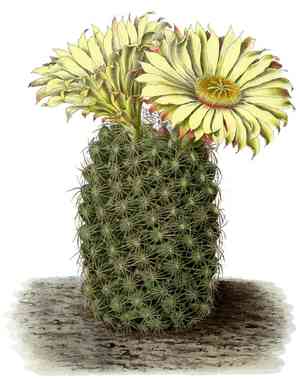
The resilient cactus, Chaparral pricklypear, flourishes in dry climates with scarce moisture. Perform trimming in late winter or early spring, prior to the emergence of new shoots. Employ sanitized, sharp implements to excise compromised or excessively large pads, making certain cuts are accurate to prevent pathogen infiltration. Consistent trimming improves light penetration and air movement, which are crucial for its well-being. Limit pruning to necessary upkeep to avert undue strain.
What Are the Benefits of Pruning Chaparral Pricklypear?
What Are the Benefits of Pruning Chaparral Pricklypear?
Trimming chaparral pricklypear encourages robust development and maintains its form. Regular cutting helps manage size, enhances appearance, and fosters healthier, more manageable plants. This process is crucial for the ongoing health and visual appeal of chaparral pricklypear.
What Is the Best Time for Pruning Chaparral Pricklypear?
What Is the Best Time for Pruning Chaparral Pricklypear?
Pruning chaparral pricklypear in late winter or early spring is considered ideal because this timing coincides with the plant's dormant phase, just before its active growth period begins in spring. Trimming at this time minimizes stress on chaparral pricklypear, allowing it to recover quickly as warmer temperatures and increased sunlight stimulate new growth. Additionally, removing damaged or excess parts before the plant expends energy on new spring growth ensures that resources are directed towards healthy development. This timing also lowers the risk of disease infection, as cooler, drier weather helps limit the spread of pathogens that thrive in warmer, moister conditions.
What Tools Do I Need to Prune Chaparral Pricklypear?
Long-handled loppers
These are vital for cutting through the tougher, woodier sections of chaparral pricklypear without getting too close to the plant, which helps avoid the sharp spines.
Pruning saw
Useful for severing thicker, more mature stems where loppers may not be sufficient. This tool allows precise cuts on chaparral pricklypear, promoting healthier regrowth.
Thick gardening gloves
Essential for protecting hands from the sharp spines of chaparral pricklypear. Gloves made from leather or another thick, durable material are recommended.
Safety goggles
Important for protecting the eyes from potential harm due to the spines and sap, ensuring safe pruning of chaparral pricklypear.
How to Prune Chaparral Pricklypear
Prepare tools
Gather tools such as sharp, sanitized pruning shears. Wearing thick gloves and long sleeves is advised to protect against chaparral pricklypear's sharp spines.
Identify
Examine chaparral pricklypear for diseased and withered leaves. These are typically discolored or dry and can potentially spread disease to healthier parts.
Cut
Carefully remove diseased and withered leaves by cutting them at the base where they meet the stem. Ensure cuts are clean to promote quicker healing.
Dispose
Properly dispose of the removed parts to prevent the spread of any pathogens. Do not compost diseased plant material.
Clean
Clean the pruning tools with a disinfectant solution to eliminate any pathogens after pruning chaparral pricklypear. This prevents the transmission of diseases during future pruning.
Common Pruning Mistakes with Chaparral Pricklypear
Over pruning
Removing too many of chaparral pricklypear's pads can stress the plant, leading to reduced vigor and fewer blooms.
Improper cutting technique
Cutting chaparral pricklypear's pads at incorrect angles or using dull tools can damage the tissues, increasing susceptibility to infections.
Unnecessary pruning
Pruning chaparral pricklypear without a clear purpose, such as removing diseased sections or shaping the plant, can hinder its natural growth patterns.
Common Pruning Tips for Chaparral Pricklypear
Use sharp tools
Employ clean, sharp pruning shears to make clean cuts on chaparral pricklypear. This minimizes damage and helps prevent disease.
Prune damaged pads first
Focus on removing any pads that are damaged or diseased to maintain the health and aesthetics of chaparral pricklypear.
Cut at the joints
When pruning chaparral pricklypear, make cuts close to the joints between pads rather than mid-pad to encourage better healing and regrowth.



