How to Prune Wild basil?
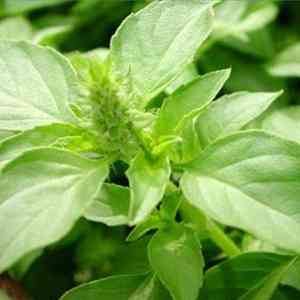
Wild basil, an aromatic and decorative herbaceous species, is frequently grown for its gastronomic and therapeutic attributes. Trimming should involve consistently nipping the ends to foster a denser form; eliminate floral buds to stimulate foliage development. The ideal time for pruning this plant is throughout its active growth periods, from spring to autumn. This method stops wild basil from becoming sparse, improves air circulation, and boosts leaf output, which is crucial for cooking. Plants that have grown too large might require a more significant reduction to preserve their structure and health.
What Are the Benefits of Pruning Wild Basil?
What Are the Benefits of Pruning Wild Basil?
Trimming wild basil promotes robust development and helps preserve its form. Consistent cutting redirects energy to healthier branches, fostering vitality and longevity, crucial for a lush look and optimal garden performance.
What Is the Best Time for Pruning Wild Basil?
What Is the Best Time for Pruning Wild Basil?
Spring pruning encourages strong growth as wild basil emerges from dormancy, maximizing the plant's energy for new shoots. Early Summer trimming aids in shaping wild basil, directing energy to desired growth and maintaining an open structure for light and air circulation, vital for plant health and disease prevention. Late Fall pruning is appropriate for removing any dead or diseased leaves after the growing season, preparing wild basil for winter. However, pruning should be done carefully to avoid stimulating new growth susceptible to frost damage. The recommended seasons avoid cutting during flowering or fruiting periods to ensure wild basil's health and productivity.
What Tools Do I Need to Prune Wild Basil?
Hand Pruners
Perfect for cutting stems and small branches up to 3/4 inches in diameter. They are easy to use and create clean cuts, essential for wild basil's healthy regrowth.
Shears
Suitable for shaping and trimming wild basil's foliage, as they allow for precise cuts and can handle the soft and semi-woody stems typical of herbaceous plants.
Garden Scissors
Ideal for deadheading and snipping off any diseased or overgrown parts of wild basil. Their smaller blades offer precision, beneficial for wild basil's intricate structure.
How to Prune Wild Basil
Remove Dead Leaves
Identify and carefully remove any withered or dead leaves from wild basil to prevent disease and improve air circulation, using clean, sharp scissors or pruning shears.
Thin Out
Reduce the density of wild basil's foliage by trimming some inner branches. This step improves light penetration and airflow within the plant, which is vital for healthy growth.
Shape Plant
Form wild basil by selectively pruning overgrown branches to maintain the desired shape and size. Make cuts just above leaf nodes to encourage bushier growth.
Disinfect Tools
After pruning, sanitize your cutting tools with a bleach or alcohol solution to prevent the spread of pathogens to wild basil or other garden plants.
Monitor Plant Health
Regularly check wild basil after pruning for signs of stress or recovery, such as new growth, and repeat the pruning process when necessary to maintain plant vigor.
Common Pruning Mistakes with Wild Basil
Overpruning
Removing too much growth at once can harm wild basil, leading to stress and reduced vitality.
Blunt Tools
Using dull or dirty pruning tools can cause damage and lead to disease in wild basil.
Random Cuts
Making cuts without considering the plant's structure can hinder wild basil's natural shape and growth patterns.
Ignoring Dead Growth
Failing to remove dead or diseased foliage can impede wild basil's health and productivity.
Pruning Too Short
Cutting wild basil's stems too short may prevent the proper development of new shoots and flowers.
Common Pruning Tips for Wild Basil
Sharp Clean Tools
Use sharp, clean shears to make precise cuts and avoid damage to wild basil's delicate stems.
Selective Pruning
Target older stems and selectively prune to encourage wild basil to produce vigorous, healthy new growth.
Shaping The Plant
Prune wild basil with its natural shape in mind, to enhance its appearance and promote better air circulation.
Encouraging Flowering
Pinch back the tips of wild basil early in the growing season to promote branching and increase the potential for flowering.
Post-Flowering Trimming
Trim back wild basil after a flush of flowers to refresh the plant and encourage a new round of blooms.



