How to Prune California desert-thorn?
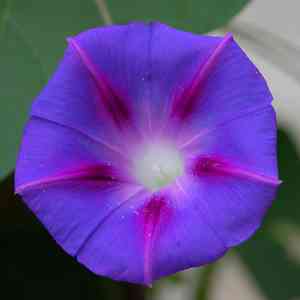
The California desert-thorn, a resilient shrub, is recognized for its spiny limbs and ability to withstand arid conditions. To preserve its form and stimulate vigorous development, perform pruning in early spring prior to the emergence of new foliage. Eliminate any deceased or ailing wood, reduce the density of congested branches, and shorten excessively lengthy stems. This practice improves air movement and light exposure, thereby lowering the likelihood of disease. Consistent trimming fosters a more sturdy and visually appealing specimen, while also ensuring its controlled size.
What Are the Benefits of Pruning California Desert-thorn?
What Are the Benefits of Pruning California Desert-thorn?
Trimming california desert-thorn encourages robust development and maintains its form, preventing it from becoming excessively sparse or unruly. This enhances air movement and light penetration, decreasing the likelihood of pests and diseases while preserving an attractive appearance.
What Is the Best Time for Pruning California Desert-thorn?
What Is the Best Time for Pruning California Desert-thorn?
Early spring is considered the optimal period for pruning california desert-thorn as it coincides with the plant's dormant phase, minimizing the chance of stress and harm. Pruning at this time stimulates healthy new growth as the plant enters its active development stage. Furthermore, early spring trimming ensures that the plant's blooming and fruiting cycles, which typically occur later in the growing season, are not interrupted. Removing any dead or diseased branches during this interval helps maintain the overall health of california desert-thorn.
What Tools Do I Need to Prune California Desert-thorn?
Bypass Pruners
Perfect for making neat cuts on living, green stems up to approximately 3/4 inch in diameter. Excellent for preserving the health of california desert-thorn by avoiding stem crushing.
Lopping Shears
Useful for severing thicker branches, typically up to 1.5 inches in diameter. They offer greater leverage for cutting through the denser wood of california desert-thorn.
Pruning Saw
Crucial for larger branches that cannot be managed by pruners or loppers. It is effective for making precise cuts on branches exceeding 1.5 inches in diameter, maintaining the form and health of california desert-thorn.
Gloves
Important for personal safety to shield hands from the thorns commonly found on california desert-thorn.
Disinfectant or Rubbing Alcohol
Used to sanitize tools before and after use to prevent the spread of disease, which is vital for the overall health of california desert-thorn.
How to Prune California Desert-thorn
Inspection
Carefully examine california desert-thorn for any indications of diseased foliage, withered leaves, dead branches, or ailing branches.
Sanitization
Sterilize your pruning implements with rubbing alcohol or a bleach solution to prevent the transmission of pathogens.
Removal of diseased leaves
Remove any diseased leaves by cutting them off at the point where they attach to healthy stems. Ensure you discard these leaves to prevent contamination.
Removal of withered leaves
Trim away withered leaves close to the stem, making clean cuts to prevent damage to the plant's healthy tissue.
Removal of dead and diseased branches
Cut dead and diseased branches back to the main stem or to a point just above a healthy bud. Make sure to cut at a 45-degree angle to promote healing and regrowth.
Common Pruning Mistakes with California Desert-thorn
Over-pruning
Removing too much of the plant at once can stress california desert-thorn and impede its growth. It is crucial to prune selectively rather than excessively.
Incorrect Cutting Technique
Using dull or inappropriate tools can harm the plant, leading to tears and jagged cuts that can become entry points for diseases.
Pruning at Wrong Angles
Improper cutting angles can disrupt the plant's growth pattern. Always make cuts at a 45-degree angle to promote proper healing and growth.
Ignoring Plant's Natural Shape
Forcing california desert-thorn into an unnatural shape can compromise its health and aesthetic. It's important to follow the plant's natural growth habit.
Common Pruning Tips for California Desert-thorn
Use Sharp, Clean Tools
Ensure that your pruning shears or saws are sharp and sterilized. Sharp tools make clean cuts, reducing the risk of disease.
Assess Before Pruning
Take time to observe california desert-thorn and identify dead, diseased, or damaged branches. Target these first before shaping the rest of the plant.
Prune for Air Circulation
Thinning out some of the interior branches of california desert-thorn can improve air circulation, reducing the risk of fungal infections.
Cut Above Buds or Branches
Make cuts just above a bud or branch to encourage new growth in the desired direction. Ensure each cut is clean and precise.
Gradual Pruning Approach
If california desert-thorn requires significant pruning, it is better to do it in stages over a few years rather than all at once. This gradual approach minimizes stress on the plant.



