How to Prune Arctic lupine?
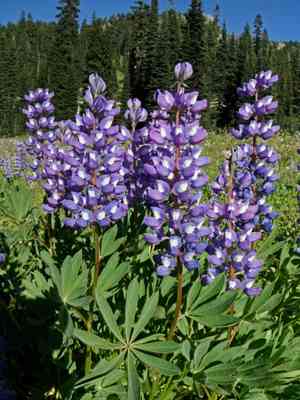
A member of the legume family, arctic lupine is recognized for its vivid blue to violet blossoms and resilience in frigid environments. Efficient trimming entails removing faded flower stalks to foster more flowering and preserve a neat look. Proper timing is crucial; a gentle trim in spring can stimulate development, whereas cutting back post-flowering in summer encourages a subsequent bloom. Autumnal pruning readies arctic lupine for the cold season by eliminating any ailing or compromised leaves, assisting in disease avoidance and encouraging vigorous spring development.
What Are the Benefits of Pruning Arctic Lupine?
What Are the Benefits of Pruning Arctic Lupine?
Trimming arctic lupine promotes abundant flowering, stimulates vigorous development, and maintains a desired shape. Strategic cuts enhance air flow, lowering disease risk, and encourage a display of strong, fresh foliage.
What Is the Best Time for Pruning Arctic Lupine?
What Is the Best Time for Pruning Arctic Lupine?
Spring trimming benefits arctic lupine by removing winter freeze damage while the plant is dormant and before new growth begins. This revitalizes arctic lupine for the upcoming season, ensuring energy goes to healthy new shoots. Late Summer pruning, post-bloom, is advised for shaping, deadheading spent flowers, and size control, which can prompt a secondary bloom and prevent arctic lupine from investing in seed production. Avoid Fall pruning, as new growth won't harden off before winter, making arctic lupine more susceptible to cold damage.
What Tools Do I Need to Prune Arctic Lupine?
Bypass Pruners
Perfect for making clean cuts on arctic lupine's green stems and foliage. Their scissor-like action allows for precise trimming, encouraging healthy regrowth.
Shears
Excellent for shaping arctic lupine and cutting multiple stems at once. This is useful for maintaining arctic lupine's bushy habit.
Gardening Gloves
Crucial for protecting hands from any sharp thorns that might be present on arctic lupine.
How to Prune Arctic Lupine
Disinfect Tools
Before starting, ensure pruning shears are sanitized to prevent disease spread to arctic lupine. Clean tools with alcohol or a bleach solution.
Remove Diseased Leaves
Carefully inspect arctic lupine and cut away any leaves showing disease signs. Make clean cuts at the base of infected leaves to avoid harming healthy tissue.
Trim Withered Leaves
Identify and remove leaves that are wilting or have turned brown. Snip these withered leaves from arctic lupine's stem, being careful not to remove green, healthy leaves.
Deadhead Flowers
Locate spent blooms on arctic lupine and deadhead by cutting the flower stem back to just above the first set of healthy leaves. This encourages arctic lupine to produce new blooms and prevents seed formation.
Cleanup
After trimming arctic lupine, gather and dispose of all removed plant material. Keeping the area tidy reduces the risk of disease and pests.
Common Pruning Mistakes with Arctic Lupine
Overpruning
Removing too much foliage from arctic lupine can hinder its growth and reduce flowering. It's important not to cut more than one-third of the plant at a time.
Cutting Into Old Wood
Avoid pruning into arctic lupine's old wood, as this can prevent the plant from producing new shoots and flowers. Arctic lupine blooms on new growth, so focus on trimming the green, soft stems.
Improper Tool Use
Using dull or dirty pruning tools can damage arctic lupine's stems, leading to potential disease and poor healing. Always use clean, sharp tools for clean cuts.
Neglecting To Deadhead
Not removing spent flowers, or deadheading, can lead to reduced vigor and fewer blooms. It is important to regularly deadhead arctic lupine to encourage more flowers.
Pruning At Wrong Angle
Incorrectly angled cuts can collect water and promote rot or fungal growth. Cuts should be made at a 45-degree angle just above a leaf node or bud.
Common Pruning Tips for Arctic Lupine
Selective Pruning
Focus on thinning out crowded areas to improve air circulation and light penetration, which will benefit the overall health and flowering of arctic lupine.
Promote New Growth
Prune the tips of young arctic lupine plants to encourage bushier growth and more flower stems.
Deadheading
Regularly remove spent blooms of arctic lupine to extend the blooming period and encourage a second flush of flowers.
Cutting Back After Flowering
Once the blooming period is over, trim back the flower stems of arctic lupine, which can promote a neater appearance and potentially a second, though smaller, bloom.
Maintenance Pruning
Remove any diseased, damaged, or dead material from arctic lupine as soon as it's noticed to maintain plant health and aesthetics.



