How to Prune Broad-leaf bamboo?
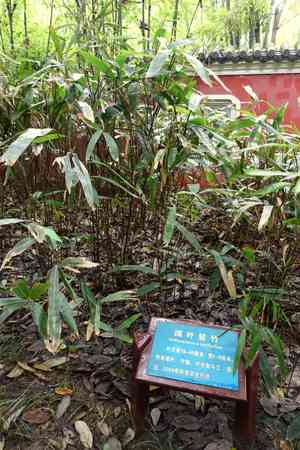
Broad-leaf bamboo, a distinctive bamboo species characterized by its expansive foliage, benefits significantly from deliberate trimming. To foster robust development and an attractive form, cut back any overly long or deceased stalks, prioritizing selective thinning over cutting off the top. The ideal time for this maintenance is from late winter to early spring, prior to the appearance of new sprouts. Pruning during this window encourages strong growth and helps sustain the desired fullness. Consistently eliminating older canes improves both light penetration and air movement, which are vital for the health of broad-leaf bamboo and for warding off illnesses.
What Are the Benefits of Pruning Broad-leaf Bamboo?
What Are the Benefits of Pruning Broad-leaf Bamboo?
Trimming broad-leaf bamboo promotes robust development and maintains its form. It's crucial for eliminating dead or crowded stems, which improves air circulation, reduces disease risk, and enhances visual appeal. Strategic cuts stimulate new, healthy shoots, optimizing the plant's vitality and growth patterns.
What Is the Best Time for Pruning Broad-leaf Bamboo?
What Is the Best Time for Pruning Broad-leaf Bamboo?
Pruning broad-leaf bamboo in late winter and early spring aligns with the plant's dormant phase, just before new growth begins. This timing allows for quick recovery and directs energy towards developing fresh shoots and leaves. Trimming during these seasons helps preserve the plant's structure and vigor, lowers disease risk, and ensures resources aren't wasted on parts to be removed. It also avoids cutting during active growth, which could stress the plant and diminish its strength. Pruning broad-leaf bamboo before spring growth enables gardeners to shape it and remove dead or damaged culms without harming its overall health.
What Tools Do I Need to Prune Broad-leaf Bamboo?
Bypass Pruners
Excellent for making clean cuts on broad-leaf bamboo's smaller stems and branches due to their sharp, scissor-like design.
Lopping Shears
Perfect for cutting through thicker branches of broad-leaf bamboo that bypass pruners can't handle, thanks to their long handles providing extra leverage.
Pruning Saw
Essential for removing mature branches and culms of broad-leaf bamboo as it can cut through thicker growth that loppers and pruners cannot.
Hand Gloves
Protection is vital when pruning broad-leaf bamboo to prevent scratches from the plant's leaves and branches.
Safety Glasses
Important for shielding eyes from flying debris while cutting back broad-leaf bamboo.
How to Prune Broad-leaf Bamboo
Disinfect tools
Before starting, sanitize pruning shears or scissors with a solution of one part bleach to nine parts water to prevent disease spread to broad-leaf bamboo.
Remove diseased leaves
Carefully identify and remove any diseased leaves from broad-leaf bamboo, cutting them at the base where they meet the stalk to prevent further infection.
Trim withered leaves
Locate withered or yellowing leaves on broad-leaf bamboo and trim these at their base as well, taking care not to damage adjacent healthy leaves or stalks.
Clean up
After removing the affected parts, gather and dispose of all trimmings away from broad-leaf bamboo to eliminate the possibility of disease spreading.
Monitor plant
Regularly monitor broad-leaf bamboo after pruning to ensure overall health and to catch any future issues early, repeating the pruning process as necessary.
Common Pruning Mistakes with Broad-leaf Bamboo
Overpruning
Removing too much foliage, which can stress broad-leaf bamboo and hinder its growth.
Pruning Healthy Canes
Cutting back canes that are healthy and producing leaves, which can reduce the overall vigor of broad-leaf bamboo.
Leaving Stubs
Leaving long stubs after cutting culms, which can lead to disease and unsightly growth.
Improper Tool Use
Using dull or dirty tools which can damage the culms and leaves of broad-leaf bamboo and introduce pathogens.
Ignoring Dead Material
Neglecting to remove dead or damaged material, which can hamper new growth and invite pests.
Uniform Pruning
Applying the same pruning intensity throughout broad-leaf bamboo, without considering the variability in growth and vigor of different parts of the plant.
Common Pruning Tips for Broad-leaf Bamboo
Selective Pruning
Selectively thinning out older, overgrown clumps by removing only a few culms to the ground level, promoting air circulation and light penetration for healthy growth.
Culm Cutting
Cutting culms of broad-leaf bamboo as close as possible to the ground without damaging neighboring shoots to maintain a tidy appearance.
Sterilize Tools
Sterilizing pruning tools before use to prevent the spread of disease among broad-leaf bamboo plants.
Shape Maintenance
Gradually shaping broad-leaf bamboo over several seasons rather than drastically changing its shape in one pruning session to maintain plant health and aesthetics.
Regular Thinning
Conducting regular thinning of dense clumps to increase the vigor of broad-leaf bamboo and encourage fresh shoot production.
Debris Removal
Removing all cuttings and debris from the area to discourage pest infestations and fungal diseases, keeping broad-leaf bamboo healthy.



