How to Prune Fen bedstraw?
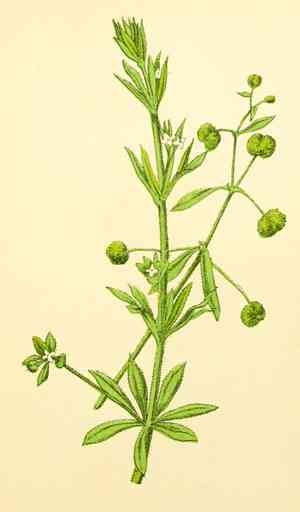
This enduring herbaceous plant, recognized for its spreading nature and small white blossoms, flourishes in marshy environments. For fen bedstraw, trimming ought to concentrate on managing its expansion and eliminating faded flowers to stimulate fresh development. The most suitable periods for pruning are late spring or early summer following its blooming phase. Trimming fen bedstraw can improve air movement and lower the likelihood of illness. Reducing its size can also aid in regulating its growth in restricted areas, preventing it from encroaching upon adjacent flora.
What Are the Benefits of Pruning Fen Bedstraw?
What Are the Benefits of Pruning Fen Bedstraw?
Trimming fen bedstraw promotes strong development and helps keep a compact, organized shape. This boosts the plant's vitality and visual appeal, preventing it from becoming overgrown in the garden.
What Is the Best Time for Pruning Fen Bedstraw?
What Is the Best Time for Pruning Fen Bedstraw?
By late spring, fen bedstraw has typically finished blooming, making it an ideal period for trimming to maintain its form and encourage fresh growth. Early summer pruning allows gardeners to remove spent blooms and manage the plant's spread before it produces seeds. Pruning during these seasons supports healthy development and prevents fen bedstraw from becoming invasive in garden settings. It's crucial to avoid pruning in late summer or fall, as this can stimulate new growth that won't harden off before winter, potentially harming the plant.
What Tools Do I Need to Prune Fen Bedstraw?
Bypass Pruners
Perfect for making clean cuts on green stems without crushing them, thus promoting faster healing of cuts on fen bedstraw.
Garden Scissors
Suitable for removing spent flowers and trimming delicate parts of fen bedstraw without harming surrounding foliage.
Handheld Shears
Effective for shaping and controlling the spread of fen bedstraw, especially when dealing with larger clumps.
Gloves
Not a tool itself, but vital for protecting hands from cuts and scrapes while pruning fen bedstraw.
How to Prune Fen Bedstraw
Clean tools
Sanitize pruning tools before beginning to prevent disease transmission. Use rubbing alcohol or a solution of one part bleach to nine parts water to clean the blades.
Diseased leaves
Identify and carefully remove any diseased or withered leaves from fen bedstraw. Ensure cuts are clean and close to the leaf stem's base to avoid unnecessary wounds that could attract more disease.
Withered leaves
Trim back withered leaves that are not diseased. Make cuts at the base of the leaf stem, being careful not to damage new growth or nearby healthy leaves.
Diseased stems
Cut back any diseased stems on fen bedstraw to healthy tissue. Make angled cuts to allow water to drain and prevent disease pooling. Dispose of diseased material properly to avoid reinfection.
Post prune care
After pruning fen bedstraw, water the plant if the soil is dry and apply a balanced fertilizer to aid recovery and new growth. Clean the tools again after finishing.
Common Pruning Mistakes with Fen Bedstraw
Overpruning
Removing too much foliage from fen bedstraw can stress the plant, hinder growth, and reduce its vitality. Always prune sparingly to maintain plant health.
Improper tool use
Using dull or dirty pruning tools on fen bedstraw can damage stems and make the plant vulnerable to disease. Ensure tools are sharp and clean.
Tearing stems
Incorrect technique, such as twisting or tearing stems during pruning, can cause unnecessary harm to fen bedstraw. A clean cut is essential for healthy regrowth.
Ignoring plant structure
Pruning without considering the natural shape and growth habit of fen bedstraw may result in an unnatural appearance and poor growth patterns.
Pruning for size control
Attempting to use pruning to significantly reduce the size of fen bedstraw instead of choosing appropriate plant varieties for the space can lead to excessive cutting and potential plant death.
Common Pruning Tips for Fen Bedstraw
Observation
Before pruning fen bedstraw, observe the plant to identify dead or weak stems that need removal and understand its natural growth habit.
Selective Pruning
Prune fen bedstraw selectively, removing only the necessary parts while aiming to enhance the plant's overall health and appearance.
Timing of cuts
Make cuts at a slight angle above a node or bud to encourage fen bedstraw to produce new, healthy growth in the desired direction.
Hygiene
After pruning fen bedstraw, clean the tools using an appropriate disinfectant to prevent the spread of any potential diseases to other plants.
Maintenance Pruning
Perform maintenance pruning on fen bedstraw to remove any dead or dying stems, which can help prevent disease and promote a more robust plant.



