How to Prune Lanceleaf blanketflower?
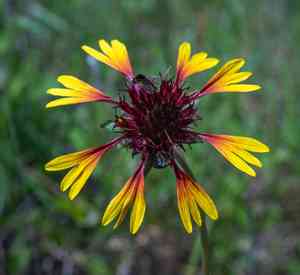
Lanceleaf blanketflower, a robust perennial recognized for its vivid, daisy-like blossoms, flourishes with consistent trimming to remove faded flowers, thereby fostering uninterrupted blooming. In spring, shorten mature stalks by one-third to preserve a dense form and encourage robust development. During the summer and autumn seasons, eliminate withered flowers and any frail, elongated stems. This method not only improves the plant's aesthetic but also incites additional flowering and deters self-propagation, which could result in excessive density.
What Are the Benefits of Pruning Lanceleaf Blanketflower?
What Are the Benefits of Pruning Lanceleaf Blanketflower?
Trimming lanceleaf blanketflower encourages fresh growth, resulting in more vibrant flowers. Regular cutting helps lanceleaf blanketflower maintain a tidy shape and promotes robust growth, crucial for the plant's health.
What Is the Best Time for Pruning Lanceleaf Blanketflower?
What Is the Best Time for Pruning Lanceleaf Blanketflower?
Pruning lanceleaf blanketflower in Spring is advised to help shape the plant and stimulate new growth after its winter dormancy. By removing old growth, lanceleaf blanketflower can direct energy into producing fresh, strong shoots, supporting healthy development and abundant flowering. Late Summer pruning should focus on deadheading faded blooms to encourage a second flowering period and potentially extend blooming into Fall. Pruning at this time also helps prevent unwanted self-seeding, as lanceleaf blanketflower can be prolific. Fall pruning, performed after flowering has stopped, allows gardeners to cut back lanceleaf blanketflower's foliage and maintain a neat appearance while preparing the plant for winter dormancy. This helps reduce potential disease and pest issues that could arise from decaying plant material. Pruning during these seasons leverages lanceleaf blanketflower's natural growth cycle without hindering its development or floral display.
What Tools Do I Need to Prune Lanceleaf Blanketflower?
Bypass Pruners
Perfect for making clean cuts on lanceleaf blanketflower's stems due to their sharp, scissor-like blades that provide precise cutting action without crushing plant tissue.
Gloves
Protects hands from thorns and rough foliage while pruning lanceleaf blanketflower.
Garden Shears
Useful for shaping lanceleaf blanketflower and cutting back multiple stems at once with minimal damage, maintaining the plant's natural appearance.
Pruning Saw
Effective for removing larger, woody stems of lanceleaf blanketflower that have grown too thick for pruners to handle.
Garden scissors
Useful for deadheading lanceleaf blanketflower or cutting flowers for arrangements, offering precision for detailed work.
How to Prune Lanceleaf Blanketflower
Deadheading
Identify and remove faded flowers from lanceleaf blanketflower to encourage new blooms and prevent seed formation, which diverts energy away from flower production.
Cleaning
Trim away diseased and withered leaves from lanceleaf blanketflower to promote good air circulation and prevent potential spread of plant diseases.
Thinning
Thin out overcrowded areas by selectively cutting back stems of lanceleaf blanketflower, which will improve light penetration and air flow, resulting in a healthier plant.
Shaping
Shape lanceleaf blanketflower by pruning back overgrown stems to maintain the desired plant size and appearance without cutting into the woody base, if present.
HealthCheck
After pruning, examine lanceleaf blanketflower for any signs of stress or remaining unhealthy parts, and conduct a clean-up around the plant to reduce the chance of disease.
Common Pruning Mistakes with Lanceleaf Blanketflower
Overpruning
Removing too much foliage which can stress lanceleaf blanketflower, leading to reduced vigor and bloom production.
Improper cut placement
Cutting too far from buds or nodes can leave stubs that are susceptible to disease and pests.
Pruning healthy flowers
Unnecessarily cutting back healthy blooms could diminish the flowering display and potential for seed formation.
Using dull tools
Dull pruning shears can cause jagged cuts that are more likely to harbor pathogens and slow the healing process.
Neglecting to sanitize tools
Failing to sanitize tools between cuts and plants can spread diseases among healthy plant specimens.
Pruning in damp conditions
Trimming lanceleaf blanketflower during wet conditions can increase the likelihood of disease transmission.
Common Pruning Tips for Lanceleaf Blanketflower
Selective pruning
Choose specific stems that are old, dead, or overcrowded to prune, which improves air circulation and light penetration.
Angle cuts away from buds
Make clean, angled cuts above buds pointing outward to encourage outward growth and prevent water accumulation.
Deadheading spent blooms
Remove spent flowers to encourage more blooms by cutting back to the nearest set of leaves or bud.
Promote bushy growth
For immature plants, pinch or trim back early growth shoots to promote a bushier habit and more flowering sites.
Maintain natural shape
Prune to maintain the natural shape of lanceleaf blanketflower, avoiding any excessive shaping that could harm the plant's health.
Tool maintenance
Keep tools sharpened and sanitized to ensure precise, clean cuts and reduce the risk of disease.



