How to Prune White stopper?
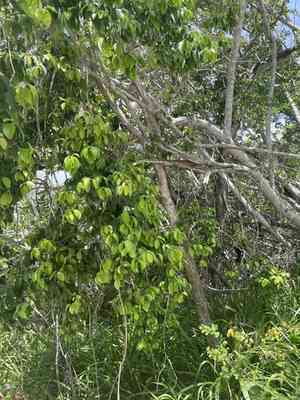
Known for its thick, perennial leaves and tiny white blossoms, white stopper thrives with regular trimming to preserve its form and vitality. Essential methods involve eliminating deceased or ailing limbs, reducing crowded sections to boost air movement, and shaping to encourage preferred development. The best periods for pruning are early spring and late winter, coinciding with its developmental phase. Consistent trimming boosts general robustness and stops excessive growth, guaranteeing a neat look.
What Are the Benefits of Pruning White Stopper?
What Are the Benefits of Pruning White Stopper?
Trimming white stopper promotes vigorous growth and maintains its form. Pruning stimulates robust development, manages plant size, and improves its overall look. It also helps in resisting pests and diseases effectively.
What Is the Best Time for Pruning White Stopper?
What Is the Best Time for Pruning White Stopper?
Pruning white stopper in early spring and late winter is optimal as it coincides with the plant's dormant phase. During these periods, white stopper is less prone to stress or damage, as pruning while dormant encourages quicker healing and lowers disease risk. Additionally, pruning before the active growing season fosters strong new growth and shapes the plant before it flowers or fruits. This timing ensures white stopper can fully utilize its energy reserves for healthy development in the upcoming growth cycle.
What Tools Do I Need to Prune White Stopper?
Hand Pruners
Perfect for making clean cuts on small branches and twigs, typically under 1/2 inch in diameter. Hand pruners are excellent for preserving the shape and health of white stopper.
Lopping Shears
Useful for cutting thicker branches up to 1-2 inches in diameter, lopping shears offer greater leverage and are crucial for removing larger, overgrown sections of white stopper.
Pruning Saw
Essential for handling branches too large for hand pruners or lopping shears, usually over 2 inches in diameter. A pruning saw ensures clean cuts on substantial branches, minimizing harm to white stopper.
Bypass Pruners
Ideal for precise cuts on live branches, bypass pruners help maintain the plant's overall health and encourage proper healing. These are particularly useful for delicate and close cuts on white stopper.
Gloves
Crucial for protecting hands from thorns, sap, and potential blisters. They provide improved grip and ensure safety while pruning white stopper.
How to Prune White Stopper
Inspect
Carefully examine white stopper for any indications of dead or diseased branches. Pay attention to areas where the foliage appears discolored or wilted, which may suggest underlying problems.
Sanitize
Before making any cuts, disinfect pruning tools with a solution of one part bleach to nine parts water. This helps prevent the spread of disease.
Remove dead branches
Use clean, sharp pruning shears to trim dead branches back to the point where live, healthy wood begins. Ensure cuts are clean and smooth.
Remove diseased branches
Prune diseased branches by cutting at least 6 inches below the affected area and dispose of the pruned parts properly to avoid contamination. Ensure no stubs are left.
Dispose
Collect all trimmed branches and leaves immediately and dispose of them away from the garden to prevent the spread of disease to other parts of white stopper.
Common Pruning Mistakes with White Stopper
Cutting too much
Excessive pruning can weaken white stopper, leading to reduced flowering and overall health. It is vital to avoid removing more than one-third of the plant at a time.
Improper technique
Using dull or unsuitable tools can result in ragged cuts, leading to disease or pest infestation. Always use sharp and clean pruning shears or loppers.
Pruning too close to the bud
Cutting too near the bud can damage it and hinder new growth. Ensure to make cuts slightly above the bud at an angle.
Ignoring dead or damaged branches
Failing to remove dead, damaged, or diseased branches can harbor pests and diseases that may spread to healthier parts of white stopper.
Over-pruning young plants
Pruning young white stopper excessively can stunt their growth. It's important to establish a strong structure without overdoing it.
Common Pruning Tips for White Stopper
Sanitize tools
Always disinfect pruning tools before and after use to prevent the spread of diseases. A solution of one part bleach to nine parts water works well for this purpose.
Focus on shape
Prune white stopper to maintain its natural form, encouraging airflow and sunlight penetration. This approach reduces the risk of fungal diseases and promotes healthy growth.
Cut at the right angle
Make cuts at a 45-degree angle, slightly above an outward-facing bud. This allows water to run off the wound, reducing the risk of rot.
Remove sucker growth
Regularly remove sucker growthâthose shoots that emerge from the base or roots of white stopperâto direct energy towards the main plant and maintain a tidy appearance.
Mind the cross branches
Remove any branches that cross over each other, as they can rub and cause wounds, leading to potential disease entry points.



