How to Prune Threeway sedge?
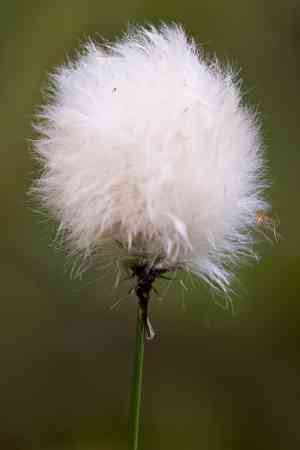
Threeway sedge, a wetland species characterized by its unique three-ranked leaves, flourishes in damp ground. To ensure peak condition, gently trim any deceased or discolored leaves in the spring or summer, fostering robust, compact development. Diligently snip off spent blooms to preserve the plant's vitality and visual appeal. Strategic trimming not only curbs excessive growth but also stimulates new stems, guaranteeing threeway sedge stays lively in both natural and cultivated landscapes. Employ sharp, disinfected cutting tools to avert the spread of pathogens during this operation.
What Are the Benefits of Pruning Threeway Sedge?
What Are the Benefits of Pruning Threeway Sedge?
Trimming threeway sedge promotes robust development and helps maintain its desired shape. Regular cutting can revitalize the plant, ensuring lush foliage and a neat look.
What Is the Best Time for Pruning Threeway Sedge?
What Is the Best Time for Pruning Threeway Sedge?
During late spring and early summer, threeway sedge enters a period of active growth, making it the optimal time for pruning. Trimming in these seasons helps threeway sedge conserve energy for healthy leaf and root development. It also provides sufficient time for the plant to recover from cuts before the potential stresses of winter. Furthermore, pruning after the risk of frost has passed in late spring ensures new growth isn't damaged by cold. Early summer pruning aids in shaping the plant during its active growth, encouraging denser foliage and maintaining its form without affecting its flowering cycle, as threeway sedge doesn't flower or fruit significantly then.
What Tools Do I Need to Prune Threeway Sedge?
Hand Pruners
For trimming smaller stems and shaping threeway sedge, bypass hand pruners are most effective. Their scissor-like action ensures clean cuts without crushing plant tissues, vital for plant health.
Shears
If threeway sedge forms thick clumps, grass shears can be used to efficiently shape and thin these areas. Their long blades are perfect for cutting grass-like foliage without harming the plant.
Gloves
Though not a cutting tool, gloves are crucial for protecting hands from the sharp edges of threeway sedge's foliage during pruning.
How to Prune Threeway Sedge
Identification
Carefully examine threeway sedge to find diseased leaves, withered leaves, and diseased stems.
Sanitation
Use sharp, sanitized pruning tools to prevent disease spread when trimming threeway sedge.
Removal of leaves
Gently remove diseased and withered leaves from threeway sedge at their base, without harming healthy tissue.
Removal of stems
Cut back diseased stems of threeway sedge to healthy tissue, ensuring a clean cut for proper healing.
Disposal
Discard all removed plant material away from the garden to prevent the spread of pests and diseases.
Common Pruning Mistakes with Threeway Sedge
Overpruning
Removing too much foliage from threeway sedge, which can stress the plant and potentially lead to poor growth or even plant death.
Improper cutting technique
Using dull or dirty pruning tools, which can cause jagged cuts and introduce diseases to threeway sedge.
Neglecting tool hygiene
Failing to sterilize pruning tools between cuts and plants, risking the spread of disease to healthy parts of threeway sedge or to other plants.
Pruning healthy growth
Unnecessarily cutting away healthy stems and foliage, which can hinder the plant's ability to photosynthesize and grow vigorously.
Ignoring plant architecture
Pruning without considering the natural shape of threeway sedge, leading to an aesthetically unpleasing appearance and potentially harming the plant structure.
Common Pruning Tips for Threeway Sedge
Sharp tools
Always use sharp, clean pruning shears or scissors to make clean cuts on threeway sedge, which helps the plant heal faster and reduces the risk of disease.
Selective thinning
Thin out dense areas of growth to improve air circulation around threeway sedge, which can reduce the risk of fungal diseases and encourage new, healthy growth.
Maintenance pruning
Regularly remove dead or damaged foliage from threeway sedge to maintain plant health and vigor without significantly altering its natural shape.
Conservative approach
When in doubt, prune less rather than more, especially if unfamiliar with the growth patterns of threeway sedge. This minimizes the risk of overpruning.
Follow natural lines
Prune threeway sedge by following its natural growth habit to maintain its form and encourage a more aesthetically pleasing plant.



