How to Prune Arizona foldwing?
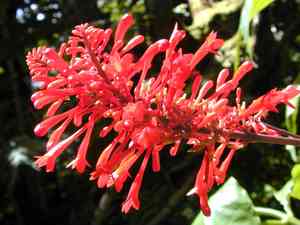
The Arizona foldwing, recognized for its vivid flowers and resilient characteristics, thrives with trimming performed in early spring or late winter. Initiate the process by eliminating any deceased or compromised branches to foster vigorous development. Undertake a gentle trim to sculpt and manage its dimensions, avoiding excessive cutting. Consistent pruning improves air movement and stimulates blossom production. Always employ sanitized, keen implements to avert the dissemination of pathogens. Adhering to these guidelines guarantees a sturdy, visually appealing specimen.
What Are the Benefits of Pruning Arizona Foldwing?
What Are the Benefits of Pruning Arizona Foldwing?
Trimming arizona foldwing encourages robust development, helps maintain its form, and fosters healthier, more abundant blooms. It also enhances air circulation, lowering pest and disease risks. Consistent trimming ensures a well-kept, visually appealing plant.
What Is the Best Time for Pruning Arizona Foldwing?
What Is the Best Time for Pruning Arizona Foldwing?
Pruning arizona foldwing in early spring or late winter is optimal as these periods coincide with the plant's dormant stage, minimizing stress and encouraging vigorous new growth. During late winter, pruning aids in removing any winter damage, allowing the plant to direct energy towards new shoots in the upcoming growing season. Early spring pruning supports healthy development before the plant enters its active growth and flowering phases, ensuring strong development and peak blooming.
What Tools Do I Need to Prune Arizona Foldwing?
Hand Pruners
Perfect for making precise cuts on small branches and stems, ensuring clean cuts that aid in promoting healthy growth.
Pruning Shears
Useful for trimming twigs and branches that are slightly larger than what hand pruners can manage, ensuring smooth and efficient cutting.
Loppers
Essential for cutting thicker branches that hand pruners and shears cannot handle, allowing for the removal of dead or overgrown branches to encourage healthy growth.
Pruning Saw
Crucial for addressing the largest and thickest branches, especially when the plant is mature and has developed substantial woody stems.
How to Prune Arizona Foldwing
Assess
Examine arizona foldwing for any diseased leaves, withered leaves, or other parts that may need trimming to maintain plant health.
Tools
Utilize clean, sharp pruning shears to ensure accurate cuts and reduce the chance of transmitting diseases.
Remove Diseased Leaves
Carefully snip away any diseased leaves by making cuts close to the base of the leaf stem without harming the main stem. Dispose of these leaves properly to prevent disease spread.
Remove Withered Leaves
Trim withered leaves by cutting at the base where they attach to the plant. Ensure that you do not leave any stubs, as these can attract pests.
Sanitize
After pruning is finished, disinfect your tools with a solution of one part bleach to ten parts water to prevent the spread of pathogens in future pruning sessions.
Common Pruning Mistakes with Arizona Foldwing
Cutting Too Much at Once
One of the primary errors gardeners make is removing too much foliage or branches in a single pruning session. This can stress the plant and impede its growth.
Using Dull Tools
Blunt pruning tools can cause jagged cuts, making the plant more vulnerable to disease and pest infestations.
Incorrect Technique
Improper cutting methods, such as making cuts too close to a bud or leaving stubs, can harm the plant and hinder its natural healing processes.
Common Pruning Tips for Arizona Foldwing
Sanitize Tools
Always disinfect your pruning tools before use to prevent the spread of diseases. Use a 10% bleach solution or disinfectant sprays for effective sanitation.
Make Clean Cuts
Use sharp, clean tools to make precise cuts. Sharp tools help ensure smooth cuts that heal quickly and reduce the risk of diseases.
Prune for Shape
Trim arizona foldwing to maintain its natural shape and encourage a bushier growth pattern. This promotes better air circulation and light penetration, which are vital for the plant's health.
Remove Dead or Diseased Wood
Regularly remove any dead, damaged, or diseased branches. This not only improves the plant's appearance but also prevents the spread of disease.



