How to Prune Tall mountain larkspur?
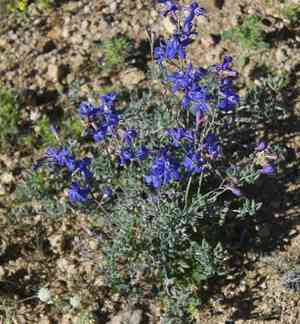
The tall mountain larkspur, recognized for its lofty, vivid floral spikes, thrives with judicious trimming. Perform pruning in late winter or early spring to foster robust development and plentiful blossoms. Initially, eliminate any deceased or compromised stalks, then cut back mature stems to their base to revitalize the specimen. Consistent trimming deters ailments and improves air movement. Always employ sanitized implements to avert contagions. This method guarantees your tall mountain larkspur stays robust and aesthetically pleasing throughout its active period.
What Are the Benefits of Pruning Tall Mountain Larkspur?
What Are the Benefits of Pruning Tall Mountain Larkspur?
Tall mountain larkspur benefits from trimming by promoting vigorous growth and maintaining its form. Pruning encourages robust development, enhances blooming, manages size, deters pests and diseases, and improves overall appearance. Regular trimming is crucial for controlling the plant's vitality, especially for tall mountain larkspur.
What Is the Best Time for Pruning Tall Mountain Larkspur?
What Is the Best Time for Pruning Tall Mountain Larkspur?
Trimming tall mountain larkspur in late winter or early spring is optimal as it aligns with the plant's dormant phase and precedes its active growth period. This timing helps reduce plant stress and encourages healthy regrowth. Pruning during these seasons also allows gardeners to remove any damaged or dead parts before new shoots emerge, ensuring a vibrant flowering season later in the year.
What Tools Do I Need to Prune Tall Mountain Larkspur?
Bypass Pruners
Perfect for making clean cuts without harming nearby plant tissue. Excellent for trimming dead or damaged stems of tall mountain larkspur.
Pruning Shears
Useful for detailed work on smaller or more delicate stems, enabling precise shaping of tall mountain larkspur.
Loppers
Good for cutting thicker stems that hand pruners might not manage, suitable for the strong growth of tall mountain larkspur.
Pruning Saw
Needed for removing any older, larger, or woody stems that loppers cannot easily cut through.
Gloves
Essential for protecting hands from thorns or sharp edges while trimming tall mountain larkspur.
How to Prune Tall Mountain Larkspur
Prep tools
Sanitize pruning tools with a 70% isopropyl alcohol solution or a mixture of one part bleach to nine parts water to prevent disease transmission.
Inspect plant
Thoroughly examine tall mountain larkspur to identify diseased and withered leaves, paying close attention to any unusual coloration or wilting.
Remove diseased leaves
Cut off diseased leaves near their base using sterilized pruning shears, ensuring each cut is clean and does not tear the plantâs tissue.
Remove withered leaves
Gently trim withered leaves by cutting them at their base, similar to how diseased leaves are removed, to stimulate new growth.
Dispose trimmed parts
Collect all trimmed leaves and discard them properly away from the garden area to prevent any potential spread of disease.
Common Pruning Mistakes with Tall Mountain Larkspur
Excessive Pruning
Over-trimming can stress tall mountain larkspur and reduce its ability to produce flowers. It's important to avoid cutting back more than one-third of the plant at any time.
Incorrect Cutting Technique
Using dull or dirty tools can lead to jagged cuts and potential disease introduction. Ensure tools are sharp and sanitized before making any cuts.
Timing Errors
Pruning at the wrong stages of tall mountain larkspur's growth cycle can hinder its development. While specific timing is excluded here, understanding the growth stages is important to avoid mistakes.
Ignoring Deadheading
Failing to remove spent flowers can result in reduced blooming and encourage seed production, diverting energy away from further growth.
Improper Wound Care
Leaving large wounds can expose tall mountain larkspur to pests and diseases. It's crucial to make clean cuts and, if necessary, apply pruning sealant to large wounds.
Common Pruning Tips for Tall Mountain Larkspur
Use Clean, Sharp Tools
Always use clean, sharp pruning shears or scissors to make precise cuts, minimizing damage and the risk of disease.
Thin Out Crowded Areas
Remove any overcrowded stems to improve air circulation, which helps in preventing fungal diseases and promotes healthy growth.
Focus on Deadheading
Regularly remove spent flowers to encourage continuous blooming. This helps tall mountain larkspur conserve energy for new growth rather than seed production.
Cut at a 45-degree Angle
Make cuts at a 45-degree angle to ensure water runs off the cut surface, reducing the risk of rot and disease.
Inspect for Pests and Disease
Regularly inspect tall mountain larkspur while pruning for any signs of pests or disease, and take appropriate action if any issues are found.



