How to Prune Carolina larkspur?
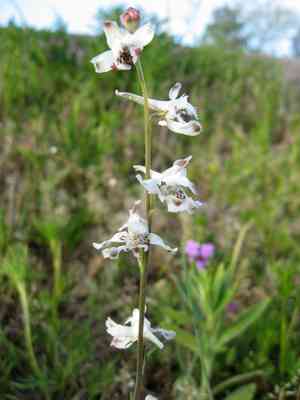
Delphinium carolinianum, a perennial featuring lofty stalks of vibrant azure blossoms, flourishes with consistent trimming. Remove faded flowers to extend the blooming period and trim stems to soil level post-flowering to foster a neat appearance. Pruning during late spring and summer corresponds with its developmental phase. This action prevents seed scattering, conserving vitality for vigorous regrowth. Strategic pruning also reduces uncontrolled self-propagation and stimulates thicker foliage, boosting its aesthetic value.
What Are the Benefits of Pruning Carolina Larkspur?
What Are the Benefits of Pruning Carolina Larkspur?
Trimming carolina larkspur promotes robust development and maintains its desired form. Consistent cutting eliminates faded blossoms, stimulating fresh growth and flower production. This controlled shaping prevents excessive growth, ensuring carolina larkspur keeps its attractive appearance.
What Is the Best Time for Pruning Carolina Larkspur?
What Is the Best Time for Pruning Carolina Larkspur?
Trimming carolina larkspur in late spring, once the plant has completed its blooming cycle, allows gardeners to remove spent flowers, which can encourage a subsequent bloom and extend the flowering period. This timing also prevents accidental removal of developing flower buds, which form earlier in the season. Summer can also be a suitable time to cut back carolina larkspur, particularly for shaping the plant or managing its size. However, care should be taken not to prune too late in the summer to avoid stressing the plant before its dormant phase. Additionally, post-flowering pruning ensures the plant can direct its energy towards root and foliage development, which is vital for its health and vigor in the upcoming growing season.
What Tools Do I Need to Prune Carolina Larkspur?
Hand Pruners
Perfect for making accurate cuts on carolina larkspur, as this species has slender stems that require clean, sharp cuts to prevent harm.
Bypass Pruners
Recommended for carolina larkspur because they deliver a clean cut essential for the plant's well-being, operating like scissors to ensure minimal stem damage.
Pruning Snips
Useful for deadheading carolina larkspur's faded flowers or lightly trimming delicate foliage without causing undue stress to the plant.
Gloves
Wearing gardening gloves is advisable to shield hands from any potential skin irritants on carolina larkspur's stems or leaves.
Sanitizing Wipes or Solution
Used to clean pruning tools before and after trimming carolina larkspur to prevent disease transmission.
How to Prune Carolina Larkspur
Identify
Examine carolina larkspur closely to pinpoint diseased leaves, withered leaves, and diseased stems that need trimming.
Disinfect
Before cutting, sterilize pruning tools with isopropyl alcohol or a 10% bleach solution to prevent disease spread.
Cut Diseased Leaves
Carefully snip off diseased leaves from carolina larkspur at their base, avoiding healthy tissue to lessen the risk of disease transmission.
Remove Withered Leaves
Cut away withered leaves from carolina larkspur at the point where they meet the stem or a healthy part of the leaf, using a clean, angled cut to promote healing.
Prune Diseased Stems
Trim diseased stems of carolina larkspur back to healthy tissue, ensuring cuts are made at a 45-degree angle several inches below affected areas for complete removal of diseased parts.
Common Pruning Mistakes with Carolina Larkspur
Overpruning
Beginner gardeners often err by removing too much of the plant at once, which can stress carolina larkspur and lead to fewer blooms or even plant demise. It's crucial to prune no more than one-third of the total plant mass at a time.
Imprecise Cuts
Making sloppy or ragged cuts can harm carolina larkspur, creating entry points for pests and diseases. Gardeners should make clean cuts just above leaf nodes or branching points.
Removing Healthy Growth
Some gardeners might accidentally remove healthy growth instead of just cutting back spent flowers or dead/diseased stems, which can limit carolina larkspur's potential to produce new blooms.
Pruning At Random
Pruning without a plan can result in an undesirable shape and uneven growth in carolina larkspur. Gardeners should have a clear vision for the plant's structure before beginning to prune.
Ignoring Deadheading
Failing to regularly deadhead, or remove faded flowers, can lead to fewer blooms as carolina larkspur might prioritize seed production over generating new flowers.
Common Pruning Tips for Carolina Larkspur
Sanitized Tools
Always use clean, sharp pruning tools to prevent disease spread and make precise cuts that heal quickly on carolina larkspur.
Targeted Cuts
Focus pruning efforts on removing weak, dead, or diseased stems to improve air circulation and light penetration, encouraging healthy growth in carolina larkspur.
Deadheading
Regularly remove spent blooms to promote continuous flowering throughout carolina larkspur's blooming season. This encourages new blooms and prevents seed formation which can drain energy from the plant.
Post-Flowering Pruning
Prune carolina larkspur after it has finished flowering to shape the plant and prepare it for the next growing season. This also helps to prevent self-seeding if not desired.
Gradual Rejuvenation
If carolina larkspur requires significant shaping or size reduction, it should be pruned gradually over several seasons rather than all at once. This approach minimizes stress to the plant.



