How to Prune Downy hawthorn?
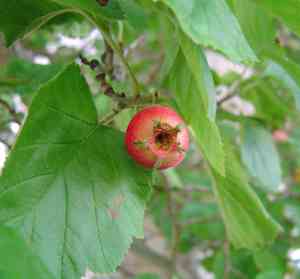
The downy hawthorn, a tree characterized by its expansive crown and thick leaves, flourishes when trimmed in late winter or early spring, prior to the emergence of new shoots. Essential methods involve excising deceased or ailing limbs, reducing the density of the canopy to improve light access and air circulation, and preserving a preferred form. Appropriate trimming stimulates robust development and boosts the plant's general well-being. Particular care should be taken to eliminate branches growing inward to avert intertwining that could compromise the downy hawthorn's strength.
What Are the Benefits of Pruning Downy Hawthorn?
What Are the Benefits of Pruning Downy Hawthorn?
Trimming downy hawthorn encourages strong development and preserves its form. Strategic cuts improve air circulation and light access, essential for vigorous health and blooms. Regular trimming also prevents excessive growth, ensuring downy hawthorn's visual appeal and structural soundness.
What Is the Best Time for Pruning Downy Hawthorn?
What Is the Best Time for Pruning Downy Hawthorn?
Trimming downy hawthorn in late winter and early spring is optimal as it avoids cutting new shoots that emerge in spring. This timing allows cuts to heal before the more intense growing season, thereby lowering the risk of attracting pests and diseases. Additionally, pruning in cooler seasons lets the gardener clearly see downy hawthorn's structure without leaves, enabling more precise cuts. This timing also protects upcoming blossoms and fruit, ensuring the plant's health and productivity are maintained.
What Tools Do I Need to Prune Downy Hawthorn?
Hand Pruners
Perfect for making clean cuts on younger or smaller branches of downy hawthorn, helping to maintain its shape and vitality. They facilitate quick-healing cuts.
Loppers
Most suitable for cutting thicker branches of downy hawthorn, typically up to 1.5 inches in diameter. Their long handles provide the necessary leverage for cutting through tougher wood without strain or damage.
Pruning Saw
Essential for removing the thickest branches from downy hawthorn, especially those exceeding 1.5 inches in diameter. Pruning saws help manage larger branches that hand pruners or loppers cannot handle, ensuring a clean cut through dense wood.
How to Prune Downy Hawthorn
Identify
Carefully examine downy hawthorn for dead or diseased branches, which typically appear dry, brittle, and discolored.
Sanitize
Before starting to prune, disinfect your pruning tools with a solution of 1 part bleach to 9 parts water to prevent the spread of disease.
Prune dead
Use sharp secateurs or loppers to cut dead branches where they meet healthy wood. Make clean, angled cuts to promote healing and prevent water accumulation.
Prune diseased
Remove any diseased branches by cutting at least a few inches into healthy wood beyond the visible signs of infection to ensure all affected tissue is removed. Safely dispose of these branches to prevent reinfection.
Clean up
Clear the area around downy hawthorn by removing any fallen debris, such as leaves and branches, to improve plant health and deter pests.
Common Pruning Mistakes with Downy Hawthorn
Overpruning
Removing too much foliage from downy hawthorn weakens the plant, making it more vulnerable to diseases and reducing its overall vigor. It's crucial to prune no more than 25% of the total canopy at a time to maintain the plant's structural integrity.
Improper cut technique
Incorrect cutting methods can harm downy hawthorn by leaving jagged edges or cutting too close to the bud, which can lead to infection and poor growth. Cuts should be clean and made at a 45-degree angle away from a bud to promote healthier, more efficient healing.
Neglecting tool maintenance
Using dull or dirty pruning tools can spread diseases and damage plant tissues, which can negatively affect downy hawthorn's health. Sharp, clean tools make precise cuts that heal faster and are less likely to introduce pathogens.
Pruning healthy growth
A common error is unnecessarily trimming new or healthy growth, which can reduce downy hawthorn's flowering potential and vigor. Itâs important to focus primarily on dead, diseased, or overgrown branches.
Common Pruning Tips for Downy Hawthorn
Correct timing omission
Avoid pruning during vulnerable periods. Timing is crucial for preventing stress and infection, even though specific seasonal recommendations are omitted here.
Focus on damaged limbs
Prioritize the removal of dead, dying, or diseased branches to help maintain downy hawthorn's health and appearance. This practice not only prevents the spread of potential diseases but also redirects energy to healthier growth.
Thinning technique
Use thinning cuts to remove entire branches or limbs back to their point of origin. This method helps to increase light penetration and air movement through the canopy, crucial for reducing disease incidence and encouraging robust growth.
Shape and structure
Maintain the natural shape of downy hawthorn when pruning. Aim to enhance the plantâs structure without altering its intrinsic form, focusing on creating a balanced and open framework which supports healthy growth and airflow.
Gradual pruning
Adopt a gradual approach to making structural changes or reducing the size of downy hawthorn. Severe pruning can shock the plant, so it is beneficial to stage major pruning over several seasons to allow the plant to adapt and recover optimally.



