How to Prune Fireberry hawthorn?
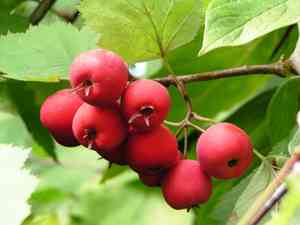
The fireberry hawthorn, a deciduous shrub recognized for its vivid crimson berries and spiny stems, greatly benefits from meticulous pruning. Essential trimming methods involve reducing dense sections, eliminating deceased or ailing wood, and sculpting for visual appeal or dimension management. The most effective time for pruning is in late winter or early spring, aligning with its dormant period and preventing sap leakage or the dissemination of pathogens. Pruning fosters vitality, vigorous development, and boosts berry yield, which is vital for this species' decorative and ecological importance.
What Are the Benefits of Pruning Fireberry Hawthorn?
What Are the Benefits of Pruning Fireberry Hawthorn?
Trimming fireberry hawthorn promotes robust development and helps maintain its desired form. By selectively removing parts, the plant channels energy into producing strong new growth and retains an attractive shape.
What Is the Best Time for Pruning Fireberry Hawthorn?
What Is the Best Time for Pruning Fireberry Hawthorn?
Pruning fireberry hawthorn in late winter or early spring is considered optimal as this timing allows gardeners to remove any dead or damaged branches before the start of the new growth season. During late winter, the plant is still dormant, which minimizes stress on fireberry hawthorn and reduces the risk of sap bleeding, which can attract pests. This timing also prevents cutting off developing buds that will produce flowers and, subsequently, fruit. Early spring pruning, just before or as the first green shoots appear, aids in shaping the growth of fireberry hawthorn, directing energy to desired branches and fostering a strong framework for the year's growth. Avoiding pruning in late spring or summer is important, as this is when fireberry hawthorn focuses on flowering and fruiting, and pruning during this period may reduce these yields.
What Tools Do I Need to Prune Fireberry Hawthorn?
Hand Pruners
Perfect for making clean cuts on small branches and twigs of fireberry hawthorn, typically less than 1/2 inch in diameter.
Lopping Shears
Suitable for cutting through branches up to 1 1/2 inches thick, which helps manage fireberry hawthorn's growth and maintains its shape.
Pruning Saw
An essential tool for removing larger branches over 1 1/2 inches thick from fireberry hawthorn, ensuring precise and healthy cuts.
Hedge Shears
Good for shaping fireberry hawthorn when it is necessary to trim multiple small branches at once, particularly for maintaining hedges or formal shapes.
Pruning Gloves
Offer protection from fireberry hawthorn's thorns while handling the plant during the pruning process.
Pole Pruner
Useful for reaching higher branches of fireberry hawthorn without using a ladder, which increases safety and convenience during pruning tasks.
How to Prune Fireberry Hawthorn
Clean Tools
Before starting, sanitize pruning tools to prevent the spread of disease to fireberry hawthorn. Use alcohol or a household disinfectant to clean shears and saws.
Remove Dead
Carefully identify and trim away any dead branches from fireberry hawthorn, cutting at a point just above the branch collar to encourage proper healing.
Remove Diseased
Locate and excise diseased branches from fireberry hawthorn. Make cuts well below the affected area to ensure complete removal of diseased tissue.
Thinning Cuts
Implement thinning cuts to improve air circulation. Thin out crowded branches on fireberry hawthorn by cutting at their base, promoting healthier growth.
Wound Care
After pruning, apply wound sealant to large cuts to protect fireberry hawthorn from infection and pests. Choose a sealant that is appropriate for use on fruit-bearing trees.
Common Pruning Mistakes with Fireberry Hawthorn
Overpruning
Removing too much foliage from fireberry hawthorn at once can stress the plant, lead to poor growth, and potentially expose it to diseases.
Improper Cut Locations
Cutting fireberry hawthorn in the wrong places may result in uneven regrowth and possibly harm the plant's natural shape. Cuts should always be made just above a bud that faces the direction you want new growth to take.
Using Dull Tools
Pruning fireberry hawthorn with dull tools can damage branches, leading to frayed cuts that are more susceptible to pests and diseases.
Neglecting To Disinfect
Failing to disinfect pruning tools before starting and after cutting diseased wood can spread pathogens to healthy parts of fireberry hawthorn or other plants.
Pruning Without A Plan
Starting to prune fireberry hawthorn without a clear goal can result in excessive or uneven trimming, impacting the plant's aesthetic and vigor.
Removal Of Too Much Old Wood
Cutting away too much old wood in one go can reduce the number of flowers on fireberry hawthorn, as the plant blooms on the previous year's growth.
Common Pruning Tips for Fireberry Hawthorn
Seasoned Tool Preparation
Keep pruning tools sharp and disinfected before starting work on fireberry hawthorn to ensure clean, precise cuts and minimize the risk of infection.
Rejuvenation Approach
For an overgrown fireberry hawthorn, use rejuvenation pruning over several seasons. This stimulates growth without overwhelming the plant.
Strategic Thinning
Thin the interior of fireberry hawthorn to improve air circulation and light penetration, which encourages healthy growth and reduces the risk of disease.
Maintenance Pruning
Regularly remove dead, diseased, or damaged wood from fireberry hawthorn to maintain plant health and aesthetics.
Directional Pruning
Selectively prune branches of fireberry hawthorn just above outward-facing buds to encourage outward growth and maintain the natural shape.
Conservative Approach
A conservative approach, especially for novice gardeners, is to prune fireberry hawthorn lightly each season to avoid accidental overpruning.



