How to Prune Gunsight clarkia?
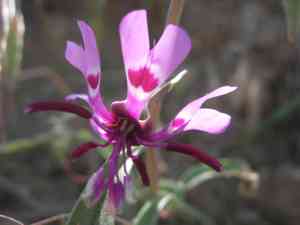
Recognized for its vivid pink-purple blossoms and delicate stalks, gunsight clarkia flourishes with limited trimming. Snip off spent or withered flowers in late spring and early summer to encourage ongoing blooming. Reduce excessively long or weak growth in autumn to foster a more compact form for the subsequent season. Consistently take away any deceased or injured stems throughout the cultivation period. Trimming improves air movement, lowers the chance of illness, and aids robust development, establishing it as a crucial upkeep task for gunsight clarkia.
What Are the Benefits of Pruning Gunsight Clarkia?
What Are the Benefits of Pruning Gunsight Clarkia?
Trimming gunsight clarkia encourages robust development by eliminating weak or dead stems, stimulates blooming by concentrating the plant's energy, and maintains its form. It also improves air circulation, lowering disease risk, and boosts overall plant health and look.
What Is the Best Time for Pruning Gunsight Clarkia?
What Is the Best Time for Pruning Gunsight Clarkia?
The ideal times for pruning gunsight clarkia are Spring, Summer, and Fall. Pruning during these periods aligns with the plant's natural growth cycle, enabling healthy regrowth and minimizing plant stress. In Spring, pruning can help shape the plant and promote strong growth as it enters its active season. Summer pruning can manage overgrowth and maintain its form, while Fall pruning helps prepare gunsight clarkia for dormancy, ensuring it remains healthy and vigorous for the next cycle. These timings leverage periods when the plant is either actively growing or preparing for dormancy, thus supporting its overall health and flowering potential.
What Tools Do I Need to Prune Gunsight Clarkia?
Hand Pruners
Hand pruners are perfect for gunsight clarkia because they make clean cuts on thin stems and delicate flowers, ensuring minimal harm and promoting healthy regrowth.
Precision Shears
Precision shears are vital for gunsight clarkia as they provide superior control and accuracy for trimming small, intricate plant parts, which is crucial given the delicate nature of its flowers and stems.
Pruning Scissors
Pruning scissors can be utilized for deadheading and removing spent flowers from gunsight clarkia, helping to preserve the plant's shape and encourage continuous blooming.
How to Prune Gunsight Clarkia
Prep Equipment
Ensure all pruning tools are clean and sharp to reduce the chance of infecting gunsight clarkia.
Inspect Plant
Thoroughly examine gunsight clarkia to pinpoint all withered leaves that require removal.
Trim Withered Leaves
Using sharp scissors or pruning shears, carefully cut away all identified withered leaves close to the stem but without cutting into the healthy tissue.
Dispose Debris
Gather and discard all trimmed withered leaves to prevent any potential spread of disease or pests.
Observe Recovery
Monitor gunsight clarkia over the subsequent weeks to ensure no further issues arise and confirm the plant is responding well to the pruning.
Common Pruning Mistakes with Gunsight Clarkia
Over-pruning
Removing too many branches and leaves can weaken gunsight clarkia, diminishing its capacity to photosynthesize and generate energy for growth and flowering.
Improper Tool Use
Utilizing dull or unclean pruning tools can harm the plant tissue and introduce diseases.
Pruning at Incorrect Spots
Cutting too close to the main stem or leaving large stubs can injure the plant and heighten susceptibility to pests and diseases.
Not Pruning at All
Failing to prune can result in overcrowded growth, reduced air circulation, and diminished flowering.
Common Pruning Tips for Gunsight Clarkia
Use Sharp, Clean Tools
Always use sharp and sterilized pruning shears to make clean cuts and prevent the spread of diseases.
Cut at the Right Angles
Make angled cuts just above a node (where a leaf is attached) to encourage new growth and prevent water from collecting on the cut surface.
Remove Dead or Damaged Growth
Regularly check for and prune away dead or damaged stems and leaves to maintain plant health and vigor.
Thin Out Crowded Areas
Thin out dense or overcrowded areas to improve air circulation and light penetration, which can promote healthier growth and reduce disease risk.
Monitor New Growth
Observe the plant after pruning for any adverse reactions and address them promptly to ensure a speedy recovery and sustained health.



