How to Prune Swamp thistle?
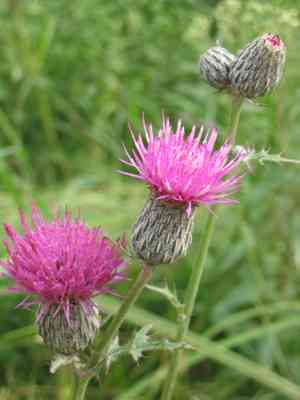
This enduring thistle, recognized for its elevated height and prickly leaves, thrives in moist environments. Essential trimming for swamp thistle entails removing faded blossoms to encourage fresh development and inhibit self-propagation. The most effective pruning takes place following flowering from late spring through summer. Clipping also preserves a neat look and manages expansion. Always employ sanitized, sharp implements to minimize the chance of illness.
Advantages of Trimming Swamp Thistle
Advantages of Trimming Swamp Thistle
Trimming swamp thistle assists in maintaining its desired shape and promotes more robust development. Strategic removal of sections lessens congestion, allowing air and light to reach the core, which enhances the plant's overall well-being.
Optimal Period for Pruning Swamp Thistle
Optimal Period for Pruning Swamp Thistle
Pruning swamp thistle during spring and early summer aligns with the post-flowering and pre-seeding stages. This timing enables gardeners to remove spent blossoms and prevent self-propagation, which can lead to excessive growth. Spring pruning also eliminates dead or damaged foliage from winter, improving plant health and appearance. Pruning in early summer ensures the plant has ample time to recover and produce new growth before dormancy.
Necessary Tools for Pruning Swamp Thistle
Hand Pruners
Perfect for making precise cuts on the thinner stalks of swamp thistle, allowing for careful removal of old flowers or damaged leaves without harming the rest of the plant.
Long-Handled Loppers
Suitable for reaching deeper into the plant or cutting thicker stems that hand pruners cannot manage easily.
Thick Gardening Gloves
Crucial for protecting hands from swamp thistle's sharp thorns and potentially irritating sap during the pruning process.
Garden Fork
Used for loosening the soil around swamp thistle to remove unwanted specimens, as they can be invasive if not controlled.
How to Prune Swamp Thistle
Sanitize
Before starting the pruning process, sterilize all cutting tools used on swamp thistle to prevent disease transmission. Use a solution of one part bleach to nine parts water or rubbing alcohol to clean the blades.
Identification
Carefully inspect swamp thistle for the specific parts to trim: diseased leaves, withered leaves, and diseased stems. Look for leaves showing discoloration, spots, or decay, and stems that are discolored, soft, or exhibiting signs of fungal growth.
Removal
Use sharp, clean shears to cut away the diseased and withered leaves. Make cuts at the base of each leaf to avoid leaving stubs that could attract pests or disease.
Removal Stems
For diseased stems on swamp thistle, prune back to healthy tissue, ensuring the cut is made just above a leaf node or bud to encourage healthy regrowth.
Disposal
Immediately dispose of all trimmed material away from healthy plants to reduce the risk of disease spreading. Do not compost diseased or withered plant parts.
Common Pruning Errors with Swamp Thistle
Over pruning
One of the most frequent errors is removing too much of swamp thistle. This aggressive approach can stress the plant and make it susceptible to pests or diseases. Gardeners should aim to cut back no more than one-third of the plant at a time.
Pruning healthy tissue
Another mistake is cutting into healthy tissue that doesn't require removal. Focusing on the targeted removal of dead or damaged tissue helps maintain swamp thistle's health and vigor.
Improper tool use
Using dull or unclean pruning tools can damage swamp thistle's stems, potentially causing ragged cuts that are difficult for the plant to heal. It's important to use sharp, sterilized tools for clean cuts.
Neglecting habitat
Ignoring the wetland habitat preference of swamp thistle when pruning could unintentionally result in altered water levels or soil composition around the base, potentially stressing the plant.
General Pruning Advice for Swamp Thistle
Selective pruning
To encourage healthy growth and flowering in swamp thistle, selectively prune dead or damaged stems. This approach prioritizes the plant's health and energy distribution.
Timing
Prune swamp thistle immediately after flowering if necessary, targeting spent flower heads to potentially prolong blooming and avoid unwanted seed dispersal.
Clean cuts
Make clean cuts on swamp thistle's stems to facilitate quicker healing and reduce the potential for disease. Cuts should ideally be made at a 45-degree angle just above a leaf node or bud.
Tool sanitization
Before and after pruning swamp thistle, sanitize pruning tools to prevent the spread of diseases between plants. A solution of 1 part bleach to 9 parts water is typically effective for tool cleaning.



