How to Prune Damianita?
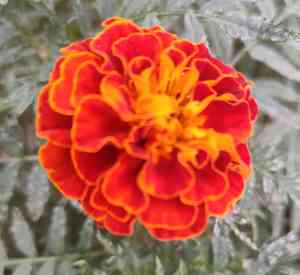
This perennial woody plant, recognized for its fragrant leaves and golden, daisy-like blossoms, flourishes with little upkeep. To achieve peak development, trim damianita in the latter part of spring or early summer once its flowering period concludes. Removing faded blooms stimulates denser growth and deters a sparse appearance. Excising up to a third of mature stems preserves its form and encourages fresh flowers. Consistent removal of spent flowers enhances the plant's robustness, guaranteeing a neat look and prolonged blossoming. Refrain from severe pruning to safeguard its inherent rounded shape.
What Are the Advantages of Trimming Damianita?
What Are the Advantages of Trimming Damianita?
Trimming damianita promotes more abundant flowering and improves the plant's inherent form. It also prevents illness and deters pests by eliminating dead or diseased foliage, contributing to damianita's vitality and lifespan.
When Is the Optimal Time for Trimming Damianita?
When Is the Optimal Time for Trimming Damianita?
Trimming or cutting back damianita during late spring or early summer coincides with the end of its blooming cycle, allowing for the removal of spent flowers and encouraging a second flush of blooms. These periods are after the last frost when new growth begins, reducing the risk of frost damage to fresh cuts. Pruning at this time also helps maintain plant shape and vigor while minimizing stress, as the plant is not dormant and can heal quickly. It avoids removing buds that would diminish the floral display if done too early. Additionally, it is a time of ample resources, so damianita has the energy needed for recovery.
What Tools Are Necessary to Trim Damianita?
Bypass Pruners
Perfect for making clean cuts on the small, woody stems of damianita. These pruners operate like scissors, with two blades passing each other, ensuring minimal harm to the remaining plant parts.
Gardening Gloves
Protects hands from thorns and rough plant material while trimming damianita.
Garden Shears
Useful for shaping the plant and cutting off excess growth in a controlled manner, ensuring damianita retains its desired form.
How to Trim Damianita
Remove diseased
Identify and carefully remove any diseased leaves and branches from damianita using sharp, sterilized pruning shears. Cut back to healthy tissue to prevent disease spread.
Eliminate dead material
Trim away all withered leaves, dead branches, and faded flowers from damianita to encourage healthy growth and improve air circulation. Make cuts at a 45-degree angle just above a bud or branching point.
Control growth
For excessively growing branches on damianita, selectively prune to shape the plant and maintain its natural form. Avoid over-pruning, which can stress the plant and reduce its vibrancy.
Disinfect tools
After finishing trimming damianita, clean and disinfect all pruning tools to prevent the spread of pathogens to other plants or to the same plant in the future.
Monitor health
Regularly monitor damianita after pruning for signs of new growth and further signs of disease or distress. Proper post-pruning care ensures a healthy recovery and a well-maintained plant.
Common Trimming Errors with Damianita
Over-pruning
Removing too much of damianita's foliage, especially in a single trimming session, can stress the plant and decrease its vigor. It's important to be conservative and aim to remove no more than one-third of the plant at a time.
Improper cut placement
Making cuts too far from a bud or node can result in unsightly dead stubs that may invite disease. Similarly, cutting too close can damage buds and impede new growth. Correct cut placement is just above a set of leaves or side branch.
Using dull tools
Trimming with dull or dirty tools can cause jagged cuts that heal poorly, making damianita susceptible to pests and diseases. Always use sharp and sanitized pruning shears or scissors.
Ignoring plant shape
Neglecting to maintain the natural shape of damianita during trimming can result in a less aesthetically pleasing plant. It's essential to follow the natural contours and prune to enhance its form.
Believing pruning is always beneficial
Sometimes, gardeners wrongly believe that any trimming is good for the plant. If damianita is healthy and maintaining shape, unnecessary pruning may do more harm than good.
General Trimming Advice for Damianita
Timely thinning
To encourage better air circulation and light penetration, thin out damianita's center by carefully removing some of the inner growth. This helps prevent disease and promotes robust health.
Maintaining balance
When trimming damianita, aim to create a balanced framework by selectively cutting back overgrown sections. This ensures that the plant maintains an even, rounded shape.
Promote new blooms
For damianita, which produces flowers, selectively trim spent blooms to encourage the plant to produce new ones. This is known as deadheading and is key for prolonged blooming.
Incremental pruning
Instead of heavy trimming all at once, implement a more incremental approach to trimming damianita, which allows the plant to recover more quickly and sustains its health and vigor.
Post-bloom pruning
Once flowering is over, light trimming can help damianita maintain its form and size, as well as stimulate new growth that may result in additional blooms in the following seasons.



