How to Prune Mexican buttonbush?
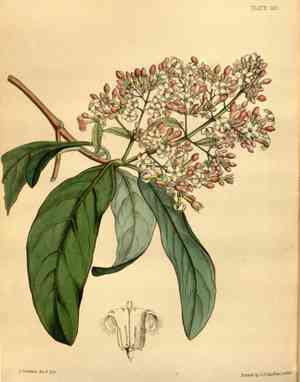
Mexican buttonbush flourishes with consistent trimming to preserve its form and vitality. Essential methods involve judicious thinning to enhance air movement and minimize ailments, along with heading cuts to encourage denser development. Perform pruning in early spring prior to the appearance of new growth to invigorate the plant and foster abundant flowering. During the pruning process, prioritize the removal of deceased or intersecting branches. Appropriate pruning boosts the aesthetic value and lifespan of mexican buttonbush. Consult reputable horticultural references for comprehensive instructions and maintenance advice.
What Are the Benefits of Pruning Mexican Buttonbush?
What Are the Benefits of Pruning Mexican Buttonbush?
Trimming mexican buttonbush encourages robust development and helps preserve its form. Regular trimming improves overall plant vitality, stimulates new growth, and prevents overcrowding, ensuring mexican buttonbush remains manageable and visually appealing. This also aids in averting potential pest and disease problems.
What Is the Best Time for Pruning Mexican Buttonbush?
What Is the Best Time for Pruning Mexican Buttonbush?
Trimming mexican buttonbush in early spring is optimal as it precedes the plant's active growth period. This timing allows mexican buttonbush to recover swiftly and promotes vigorous development. Early spring pruning also minimizes disruption to the plant's blooming cycle, ensuring that the flowers are not negatively impacted. Furthermore, pruning before the growing season helps prevent diseases and pests that could harm mexican buttonbush as it begins its growth spurt.
What Tools Do I Need to Prune Mexican Buttonbush?
Bypass Pruners
Crucial for precise cuts on small branches and stems, minimizing plant harm.
Loppers
Suitable for severing thicker branches up to 2 inches in diameter, offering leverage and accuracy.
Pruning Saw
Required for removing larger branches exceeding 2 inches in diameter, ensuring efficient cuts without crushing the wood.
Pole Pruner
Useful for reaching elevated branches, ensuring safety and ease of use without a ladder.
How to Prune Mexican Buttonbush
Inspection
Before commencing, thoroughly examine mexican buttonbush for any diseased leaves, withered leaves, dead branches, and diseased branches to identify what requires trimming.
Tool Preparation
Ensure your pruning shears or loppers are clean and sharp. Disinfect tools with alcohol to prevent the spread of disease.
Remove Dead Branches
Start by cutting away dead branches back to the main stem. Make clean cuts to avoid harming the plant's overall health.
Trim Diseased Parts
Prune any branches or leaves showing signs of illness. Cut well below the affected area, ideally at a junction or node, to ensure all diseased tissue is eliminated.
Dispose Properly
Discard all trimmed material, especially diseased parts, away from the garden to prevent any potential contamination.
Common Pruning Mistakes with Mexican Buttonbush
Over-pruning
Excessive removal of branches can stress mexican buttonbush, leading to poor flowering and weakened overall health. Always avoid cutting more than one third of the plant's total foliage at a time.
Incorrect cuts
Making improper or messy cuts, such as flush cuts or stubs, can cause damage or invite disease. Cuts should be clean and made just above a node or branch collar.
Pruning too frequently
Trimming mexican buttonbush too often disrupts its natural growth patterns and can result in fewer flowers and less vigorous growth.
Common Pruning Tips for Mexican Buttonbush
Sanitation
Always use sterilized and sharp pruning tools to make clean cuts and prevent the spread of disease. Clean tools before and after each use, especially when pruning multiple plants.
Target dead or diseased wood
Focus on removing dead, damaged, or diseased branches first. This helps maintain the plant's health and directs its energy towards new, healthy growth.
Maintain shape and size
Prune selectively to maintain mexican buttonbush's natural shape and size. Aim to remove any crossing or inward-growing branches that may hinder airflow and light penetration.
Encourage branching
Cut back branches to promote a more bushy and visually appealing form. This encourages new growth and can increase flowering potential.



