How to Prune Flea sedge?
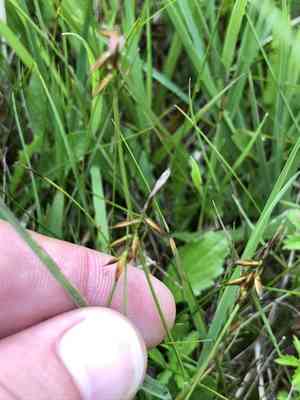
A unique perennial, grass-like botanical, flea sedge greatly benefits from proper trimming to preserve its structure and vitality. Trim flea sedge during the initial part of spring or the latter portion of winter while it is inactive, to eliminate deceased or impaired leaves and to stimulate robust fresh development. This schedule avoids interfering with the plant's blooming and inherent growth pattern. Consistent trimming aids in managing its expansion and improves its visual attractiveness, guaranteeing a thicker and more resilient appearance in garden settings.
Advantages of Trimming Flea Sedge
Advantages of Trimming Flea Sedge
Trimming flea sedge encourages robust growth and maintains its desired form, which is vital for its dense, grassy appearance. Regular cutting prevents overcrowding and ensures a neat look, fostering healthier, stronger plants.
Optimal Time for Trimming Flea Sedge
Optimal Time for Trimming Flea Sedge
Trimming flea sedge in early spring is advised as it precedes the active growth period, allowing the plant to recover quickly without expending energy needed for new growth. Pruning at this time helps remove any winter-accumulated damaged or diseased parts, promoting healthier and more vigorous growth during the growing season. Winter pruning is also beneficial since flea sedge is dormant then. This minimizes plant stress and lowers the risk of disease transmission through fresh cuts, as many pathogens are less active in cold weather.
Tools Required for Trimming Flea Sedge
Hand Pruners
Perfect for cutting back dead or overgrown clumps of flea sedge. Their sharp blades easily manage the relatively thin, grass-like foliage of flea sedge, ensuring clean, precise cuts that prevent harm to the remaining healthy plant.
Grass Shears
Suitable for shaping and tidying the edges of flea sedge, particularly in smaller or more delicate areas where larger tools might be awkward. Grass shears offer control and accuracy, making them ideal for detailed trimming tasks.
Pruning Saw
Useful for removing any thicker, woody stems that may develop, especially in older or neglected clusters of flea sedge. A pruning saw helps in quickly handling tougher stems, ensuring the plant's appearance and health are maintained with less effort.
How to Trim Flea Sedge
Identify
Identify and assess the health of flea sedge's leaves. Before beginning to prune, thoroughly examine all flea sedge leaves to locate any that are diseased or withered. Look for indicators such as discoloration, spots, or dried textures.
Gather tools
Collect appropriate trimming tools. Use sharp, clean scissors or pruning shears specifically designed for delicate plants. Ensure blades are sterilized to prevent disease spread during the pruning process.
Prune diseased
Trim diseased leaves. Carefully cut diseased leaves at their base where they connect to the stem or at soil level, depending on flea sedge's structure. Removing these leaves is crucial to prevent disease spread to healthy parts.
Prune withered
Trim withered leaves. Similarly, snip withered or dead leaves from flea sedge, making clean cuts near the base to encourage new growth while maintaining plant health and aesthetics.
Dispose
Properly dispose of removed leaves. Discard all diseased and dead material far from healthy plants to prevent potential reinfection or pest attraction. Composting is not recommended for diseased leaves.
Common Trimming Errors with Flea Sedge
Over-pruning
A frequent mistake involves removing too much foliage from flea sedge, which can significantly weaken the plant. Maintaining balance is crucial; typically, no more than one-third of the grass should be trimmed at once.
Improper timing
While precise seasonal timing has been excluded, it's important to note that trimming at incorrect times in the growth cycle can hinder flea sedge's development and flowering. Misaligned pruning can disrupt the natural lifecycle of flea sedge.
Using dull tools
Trimming flea sedge with dull blades can damage the grass blades, leading to frayed and uneven cuts. This stresses the plant and can make it vulnerable to pests and diseases.
Neglecting health assessment
Failing to check flea sedge's health before trimming might lead to cutting away healthy shoots or, conversely, not sufficiently removing diseased or damaged parts, impacting overall plant vigor.
General Trimming Advice for Flea Sedge
Sharp and clean tools
Ensure all trimming tools are sharp and clean. This provides a clean cut that heals faster and reduces stress and susceptibility to diseases.
Selective trimming
Focus on selective trimming of flea sedge. Remove dead or damaged foliage first and assess the plant's appearance and health before further pruning. This encourages healthier growth and improves the plant's overall structure and look.
Conservative approach
Adopt a conservative approach by trimming lightly each time, allowing flea sedge to gradually shape and rejuvenate. This is especially beneficial for maintaining the plant's energy and ensuring continuous growth.
Observe plant response
After trimming, carefully observe how flea sedge responds. This observation can guide future pruning sessions, helping tailor the approach to flea sedge's specific needs and growth patterns.



