How to Prune Longstalk sedge?
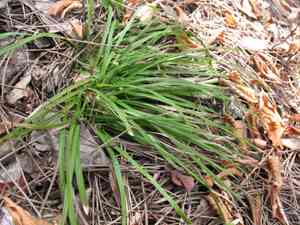
This forest-dwelling plant, featuring persistent green leaves and subtle brown blossoms, longstalk sedge flourishes in damp, low-light conditions. Trim longstalk sedge in the initial part of spring or during winter to foster robust development and preserve its form. Eliminate withered or compromised leaves and thin out crowded sections to improve air movement. Trimming longstalk sedge can boost its vitality and ward off ailments by revitalizing mature specimens. These well-timed cuts ensure longstalk sedge maintains its optimal appearance, cultivating a verdant ground cover for visual appeal in the garden.
What Are the Benefits of Pruning Longstalk Sedge?
What Are the Benefits of Pruning Longstalk Sedge?
Trimming longstalk sedge encourages strong new development and helps maintain its desired shape. Regular trimming ensures longstalk sedge appears neat and grows vigorously.
What Is the Best Time for Pruning Longstalk Sedge?
What Is the Best Time for Pruning Longstalk Sedge?
Trimming longstalk sedge in early spring is optimal as it typically precedes new growth. Removing parts of longstalk sedge at this time can stimulate healthy new development and allow the plant to reallocate energy for a more robust form. Pruning in winter, when longstalk sedge is likely dormant, is also advantageous as it minimizes plant stress. Without active growth, the plant can recover from cuts without diverting resources needed for developing leaves or flowers. Winter pruning also offers gardeners the opportunity to shape longstalk sedge without foliage obstruction, making its structure easier to see. Both seasons help maintain the plant's health and appearance without affecting its natural flowering or fruiting cycle.
What Tools Do I Need to Prune Longstalk Sedge?
Sharp Scissors or Snips
For longstalk sedge, gardeners should use sharp scissors or snips to achieve clean cuts without harming the delicate foliage. This tool allows for precision when trimming back dead or overgrown parts without affecting healthy clumps.
Hand Pruners
Hand pruners are perfect for cutting through thicker or woody stems that longstalk sedge might develop over time. They provide greater cutting force for a plant with dense clump-forming growth habits.
Pruning Shears
Longstalk sedge may occasionally have tougher leaves or stems. Pruning shears are suitable for these situations, as they can quickly trim without causing strain to the gardener's hands.
Gloves
Wearing gloves is advisable when pruning longstalk sedge to protect the gardener's hands from any sharp edges or wet conditions, as longstalk sedge is often found in moist environments.
Garden Waste Bag
After pruning, a garden waste bag is essential for cleanup, allowing the gardener to easily collect and dispose of longstalk sedge cuttings.
How to Prune Longstalk Sedge
Sanitize
Before beginning to prune longstalk sedge, disinfect your pruning tools with isopropyl alcohol or a bleach solution to prevent disease spread.
Identify
Locate dead stalks and old inflorescences on longstalk sedge that require trimming. Look for stalks that are brown, wilted, or have spent flower heads.
Cut Dead Stalks
With sanitized pruning shears, cut the dead stalks of longstalk sedge at their base where they emerge from the ground. Make clean, angled cuts to minimize damage and allow water to drain off.
Remove Inflorescences
Trim away the old inflorescences of longstalk sedge, being careful not to harm new growth. Clip them close to the base of the flowering stem.
Clean Up
Gather and discard all cuttings from longstalk sedge to deter pests and diseases. Also, clean your tools after pruning to keep them sharp and sterile for future use.
Common Pruning Mistakes with Longstalk Sedge
Over-Pruning
Removing too much foliage from longstalk sedge can stress the plant, potentially leading to reduced vigor and sparse growth.
Rough Cuts
Making jagged or tearing cuts can damage longstalk sedge's delicate stems, leading to potential disease entry and unattractive growth.
Ignoring Dead Material
Failing to remove dead or diseased foliage from longstalk sedge can impede new growth and may harbor pests or diseases.
Pruning Healthy Growth
Cutting away healthy growth without cause removes longstalk sedge's ability to photosynthesize effectively and may impact the plant's overall health.
Using Dirty Tools
Pruning longstalk sedge with unclean tools can introduce pathogens to the plant and spread disease to healthy parts.
Common Pruning Tips for Longstalk Sedge
Sharp Tools
Always use sharp, clean pruning shears to make precise cuts that will heal quickly, reducing the chance of disease.
Selective Thinning
Prune longstalk sedge by selectively thinning out overcrowded areas to improve air circulation and light penetration, encouraging robust growth.
Dead And Diseased Foliage
Regularly remove any dead or diseased foliage from longstalk sedge to promote healthy growth and reduce the likelihood of pest and disease issues.
Shape And Size
Maintain the natural shape and size of longstalk sedge while pruning, removing only what is necessary to keep the plant looking tidy and well-managed.
Post-Pruning Care
After pruning longstalk sedge, provide adequate water and possibly a light application of fertilizer to support recovery and new growth.



