How to Prune Disk waterhyssop?
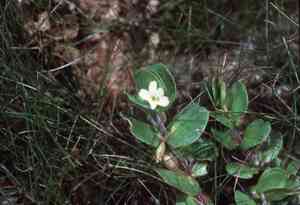
Bacopa rotundifolia, recognized for its circular foliage and watery environment, greatly thrives with consistent trimming throughout spring and summer to encourage more robust development and avoid excessive density. Shorten elongated stalks and eliminate deceased or discolored leaves to sustain vitality and visual attractiveness. Trimming not only boosts growth but also aids in managing the plant's expansion within its aquatic setting, guaranteeing strong health and plentiful leaves.
What Are the Benefits of Pruning Disk Waterhyssop?
What Are the Benefits of Pruning Disk Waterhyssop?
Trimming disk waterhyssop encourages robust development and helps keep its form compact. Regular cutting prevents excessive growth, ensuring the plant stays attractive and manageable in its space.
What Is the Best Time for Pruning Disk Waterhyssop?
What Is the Best Time for Pruning Disk Waterhyssop?
Pruning disk waterhyssop in Spring and Summer aligns with its active growth phases, allowing the plant to recover and grow back healthier and more vigorously. During Spring, trimming helps to remove any winter damage and stimulates new growth, which is vital for its seasonal development cycle. Summer pruning is beneficial for shaping the plant and controlling its growth, ensuring it doesn't become too dense, which could affect its health and flowering capability.
What Tools Do I Need to Prune Disk Waterhyssop?
Sharp scissors or snips
These are ideal for trimming the delicate stems of disk waterhyssop. Using sharp, precise tools prevents damage to the plant tissues, promoting healthier regrowth.
Soft-touch micro-tip pruning snip
The small, precise blades are perfect for accessing densely packed foliage of disk waterhyssop without damaging the surrounding leaves and stems.
Fine pruning shears
Useful for shaping disk waterhyssop and removing any dead or yellowing foliage with accuracy and minimal effort. Ensure the shears are always clean to prevent the spread of disease.
How to Prune Disk Waterhyssop
Identify
Identify and remove all diseased leaves from disk waterhyssop. Use clean, sharp scissors or pruners to make precise cuts, avoiding any healthy tissue to prevent the spread of disease.
Sanitize
Sanitize your pruning tools before and after trimming disk waterhyssop to prevent transmitting diseases from infected parts to healthy areas. Use a solution of 1 part bleach to 9 parts water or rubbing alcohol.
Prune withered leaves
Prune all withered or dead leaves from disk waterhyssop. Carefully snip these at the base of the stem, ensuring not to tear or damage adjacent healthy leaves.
Remove diseased stems
Carefully remove any stems of disk waterhyssop that show signs of disease, such as unusual spots, colored streaks, or rot. Make cuts at least a few inches below the affected areas to ensure all diseased tissue is removed.
Shape plant
After removing unwanted parts, lightly trim the remaining stems of disk waterhyssop to promote a bushier growth and maintain a pleasing shape. Make your cuts just above a leaf node where new growth will appear.
Common Pruning Mistakes with Disk Waterhyssop
Over-pruning
A common error is removing too much foliage from disk waterhyssop, which can stress the plant, reduce its vitality, and impair its ability to photosynthesize efficiently.
Improper cutting technique
Cutting into the woody, older stems of disk waterhyssop can be detrimental as these parts of the plant are less likely to regenerate effectively. Always targeting the younger, softer stems can lead to an imbalance in the plant's natural shape and growth patterns.
Pruning during active growth
Trimming disk waterhyssop during its peak vegetative growth phases can interrupt its development, potentially leading to reduced flowering capacity.
Common Pruning Tips for Disk Waterhyssop
Selective pruning
Focus on removing only the weakest and most leggy stems to encourage a bushier growth form in disk waterhyssop. This method helps maintain the plant's natural shape and promotes denser, more vigorous growth.
Use sharp tools
Always use clean, sharp pruning shears or scissors to make clean cuts. This prevents damage to disk waterhyssop's delicate stems and reduces the risk of disease.
Consider plant health
Before pruning, evaluate the overall health and structure of disk waterhyssop. Remove any dead or diseased foliage first to help maintain the plant's health and aesthetic appeal.



