How to Prune Mojave milkweed?
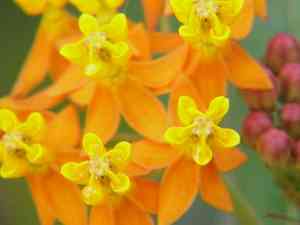
Recognized for its groupings of pinkish-white blossoms and resilient characteristics, mojave milkweed requires trimming in late winter through early spring. Eliminate any lifeless or compromised stalks to foster robust development. Trimming mojave milkweed stimulates more abundant flowering and deters excessive stem elongation. Always sanitize cutting implements to lessen the chance of illness. Appropriate timing coincides with its inactive period, guaranteeing minimal strain and a flourishing cultivation cycle.
What Are the Benefits of Pruning Mojave Milkweed?
What Are the Benefits of Pruning Mojave Milkweed?
Mojave milkweed benefits from trimming by encouraging robust development and maintaining its form. Pruning aids in managing its size, improving its overall look, and boosting flowering. This specific care fosters a healthier and more pest-resistant plant.
What Is the Best Time for Pruning Mojave Milkweed?
What Is the Best Time for Pruning Mojave Milkweed?
Trimming mojave milkweed in early spring or late winter is advised to align with its dormant phase before new growth emerges. This timing minimizes plant stress, lowers disease risk, and allows wounds to heal before the active growing season. Additionally, pruning before the growing season promotes healthier, more vigorous growth, leading to better flowering in the subsequent season.
What Tools Do I Need to Prune Mojave Milkweed?
Hand Pruners
Perfect for precise cuts on young, slender stems. Mojave milkweed typically has thin stems easily managed by quality bypass pruners.
Pruning Shears
Useful for slightly thicker branches and woody stems. They offer greater leverage and cleaner cuts, preventing damage to the plant's structure.
Pruning Knife
Essential for cutting back any soft, fleshy parts of mojave milkweed. Ensures a clean cut, minimizing the risk of fungal infections.
Fine-Toothed Pruning Saw
For occasional trimming of older, woodier stems. A fine-toothed saw allows for detailed cuts without splintering.
How to Prune Mojave Milkweed
Preparation
Gather necessary tools such as clean, sharp pruning shears or scissors. Make sure to sanitize tools to prevent the spread of disease.
Inspection
Carefully inspect mojave milkweed for any diseased leaves. Look for signs like discoloration, spots, or mold.
Diseased leaf removal
Trim diseased leaves by making clean cuts at the base where the leaf attaches to the stem. Dispose of the removed leaves properly to avoid contaminating other plants.
Withered leaf detection
Identify and locate withered leaves characterized by drying or browning.
Withered leaf removal
Prune withered leaves by cutting them off at the base similar to diseased leaves, ensuring a clean cut. Again, dispose of these leaves appropriately.
Common Pruning Mistakes with Mojave Milkweed
Incorrect technique
Using improper tools or dull blades can damage the plant. Always use sharp, clean pruning shears to make precise cuts.
Over-pruning
Removing too many stems and leaves can stunt the plantâs growth. It's crucial to strike a balance and avoid excessive pruning.
Pruning at wrong times
Pruning during the wrong stage of the plantâs life cycle can be detrimental. Always ensure you prune at the appropriate growth phase.
Damaging healthy growth
Accidentally cutting healthy stems and leaves can prevent the plant from flourishing. Take care to identify and avoid removing healthy parts.
Common Pruning Tips for Mojave Milkweed
Use sharp tools
Ensure your pruning shears are sharp and clean to make clean cuts that heal quickly, preventing disease.
Remove dead or damaged parts
Begin by removing any dead, diseased, or damaged stems and leaves to maintain plant health and promote new growth.
Thin crowded areas
Encourage air circulation and light penetration by thinning out crowded areas, which helps prevent mold and mildew.
Follow the natural shape
Prune to enhance the plantâs natural shape, which ensures more uniform and aesthetic growth.
Reduce height gradually
If height reduction is needed, do it gradually over several pruning sessions to avoid stressing the plant.



