How to Prune Fort bragg manzanita?
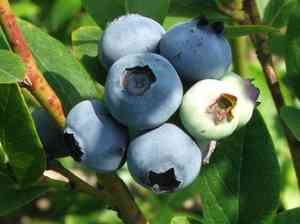
Arctostaphylos nummularia is a visually appealing evergreen bush characterized by its circular foliage and blossoms ranging from white to pink and resembling bells. Perform trimming in the early spring, eliminating any lifeless or impaired branches to sculpt the specimen and encourage robust development. Concentrate on reducing crowded sections to enhance air movement, thereby assisting in disease prevention. Refrain from extensive cutting, as this can cause duress to the plant. Trimming not only preserves its visual charm but also guarantees strong development and extended lifespan. Confirm appropriate schedules and methods via credible gardening resources.
What Are the Benefits of Pruning Fort Bragg Manzanita?
What Are the Benefits of Pruning Fort Bragg Manzanita?
Trimming fort bragg manzanita promotes robust development and assists in preserving its form. It also improves air circulation and light penetration, crucial for mitigating pest and disease problems specific to this variety.
What Is the Best Time for Pruning Fort Bragg Manzanita?
What Is the Best Time for Pruning Fort Bragg Manzanita?
Early spring is the optimal period for pruning fort bragg manzanita as it coincides with the end of dormancy and the start of its active growth phase. Pruning at this time aids in rapid healing and fosters vigorous growth. Furthermore, it minimizes the risk of diseases and pests that might exploit cuts or wounds. Pruning prior to the flowering season also ensures that no potential flower buds are removed, thereby maintaining the plant's aesthetic and ecological value.
What Tools Do I Need to Prune Fort Bragg Manzanita?
Bypass Pruners
Perfect for making clean cuts on living branches up to 3/4 inch in diameter. Bypass pruners offer precision for detailed tasks and prevent harm to the plant's tissues.
Loppers
Useful for larger branches ranging from 3/4 inch to 1 1/2 inches in diameter. Loppers provide increased leverage and cutting power for thicker growth.
Pruning Saw
Essential for branches exceeding 1 1/2 inches in diameter. A pruning saw is necessary for more substantial, older branches that cannot be managed with pruners or loppers.
Gloves
Shield your hands from sharp branches and thorns while offering a better grip on tools. Long-sleeved gloves are recommended for additional arm protection.
Disinfectant
Crucial for sanitizing tools before and after pruning to prevent the spread of pathogens. Utilize a bleach solution or rubbing alcohol for sterilization.
How to Prune Fort Bragg Manzanita
Identification
Carefully examine fort bragg manzanita to pinpoint the sections requiring trimming, such as diseased foliage, withered leaves, dead branches, and infected branches.
Sanitization
Clean and sterilize your pruning tools to prevent the spread of disease. Use a solution of one part bleach to nine parts water to disinfect your tools before and after each cut.
Diseased leaves removal
Start by removing any diseased leaves. Ensure the entire leaf is removed, and dispose of them properly to avoid contaminating other parts of fort bragg manzanita.
Withered leaves removal
Next, carefully trim the withered leaves. Cut close to the stem without harming healthy parts to encourage new growth.
Dead and diseased branches removal
Finally, eliminate any dead or diseased branches. For dead branches, cut back to a healthy section of the branch. For diseased branches, make cuts several inches below the affected areas to guarantee all diseased tissue is removed.
Common Pruning Mistakes with Fort Bragg Manzanita
Improper Technique
Using dull tools or making ragged cuts can harm fort bragg manzanita, making it vulnerable to diseases and pests. Always use sharp and clean pruning shears for smooth cuts.
Over-Pruning
Removing too much foliage at once can stress fort bragg manzanita and hinder its natural growth cycle. Only trim what is essential to maintain shape and health.
Pruning at the Wrong Branches
Cutting the main branches instead of focusing on overgrown or damaged stems can impede the plant's development. Identify and prune correctly, ensuring you're targeting the appropriate branches.
Ignoring Natural Shape
Forcing fort bragg manzanita into an unnatural shape can negatively impact its structure and flowering. Itâs vital to respect its natural form while pruning.
Heavy Pruning During Initial Growth
Pruning extensively during the early growth stages can stunt fort bragg manzanita's development. Light pruning is advisable until it is well-established.
Common Pruning Tips for Fort Bragg Manzanita
Clean Tools
Always disinfect pruning tools before use to prevent the spread of disease. A simple solution of household bleach and water can be effective for sterilization.
Gradual Pruning
Trim back fort bragg manzanita gradually over multiple sessions rather than cutting back large sections at once. This reduces stress and helps the plant recover more efficiently.
Focus on Dead or Damaged Wood
Start by removing any dead, damaged, or diseased branches to promote healthy growth. This allows the plant to focus its energy on healthy, productive parts.
Shape Naturally
Aim to prune in a way that enhances fort bragg manzanita's natural form. Trim selectively to maintain its organic shape and encourage balanced growth.
Monitor Growth Patterns
Regularly observe the growth pattern of fort bragg manzanita and prune accordingly. Understanding how the plant responds to pruning helps in making informed decisions for future sessions.
Healthy Cut Angles
Make clean cuts at a slight angle to prevent water from settling on the cut area, which can lead to rot or disease. This is especially important for maintaining plant health.



