How to Propagate Elliott's yellow-eyed grass?
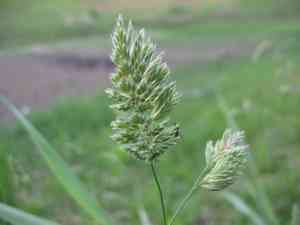
Elliott's yellow-eyed grass flourishes when reproduced via cuttings. Choose robust stems with precision and employ a keen, sanitized instrument for making incisions. Verify that every cutting possesses several leaves, as this elevates the likelihood of successful root formation. Insert the cuttings into a growing medium that drains effectively, maintaining its dampness and positioning them in diffused light to encourage root growth. Appropriate nurturing and surroundings significantly boost development.
Optimal Period for Propagating Elliott's Yellow-eyed Grass?
Propagation Method
Cutting
Propagation Season
Spring,Summer
Tools Required for Elliott's Yellow-eyed Grass Propagation?
Sharp Pruning Shears
Precise cutting blades guarantee clean cuts on elliott's yellow-eyed grass's plant tissues, minimizing infection risk and promoting quicker recovery. This is vital for successful rooting and establishment of cuttings.
Rooting Hormone Powder
This encourages root development from elliott's yellow-eyed grass cuttings. Applied to the fresh stem cut, it boosts the chance of successful rooting, crucial for elliott's yellow-eyed grass due to its specific propagation needs.
Sterile Soil Mix
A clean, well-draining soil blend offers an ideal setting for elliott's yellow-eyed grass's roots to develop free from pathogen competition, which could harm young plants. The soil must hold enough moisture yet drain excess water, mimicking elliott's yellow-eyed grass's natural habitat.
Humidity Dome
Maintains a consistently elevated humidity level around newly planted elliott's yellow-eyed grass cuttings. This replicates the moist conditions elliott's yellow-eyed grass needs for optimal growth, reducing water loss and aiding cutting establishment.
Heat Mat
By supplying a steady source of warmth from below, a heat mat accelerates root development in elliott's yellow-eyed grass cuttings. Consistent heat is essential, especially for thermophilic species like elliott's yellow-eyed grass during the rooting phase.
How to Propagate Elliott's Yellow-eyed Grass?
Propagation Type
Easy
How to Care for Your Newly Propagated Elliott's Yellow-eyed Grass?
How to Care for Your Newly Propagated Elliott's Yellow-eyed Grass?
Post-propagation, continue caring for elliott's yellow-eyed grass by maintaining high humidity and moist conditions, mirroring its native bog environment. Gradually introduce the young plant to drier conditions if moving it outdoors. Regularly inspect for and remove any dead or fading foliage to encourage healthy growth. Ensure protection from extreme temperatures and direct sunlight. As the plant matures, divide overcrowded clumps to promote vigorous growth and prevent decay.
Common Mistakes to Avoid When Propagating Elliott's Yellow-eyed Grass
Overwatering
Excessive water can cause root rot in elliott's yellow-eyed grass, which prefers well-drained soil. Overwatered elliott's yellow-eyed grass often shows limp, discolored leaves and reduced growth, potentially leading to the plant's demise.
Using inappropriate soil mix
Employing a soil mix that drains poorly or lacks proper nutrients can hinder root growth and impact the overall health of elliott's yellow-eyed grass. Suboptimal soil conditions may result in stunted growth and diminished plant vitality.
Neglecting humidity requirements
Elliott's yellow-eyed grass thrives in high-humidity environments. If propagated in a dry setting, elliott's yellow-eyed grass is likely to experience stress, which can manifest as browning leaf tips and slowed growth.
Crowded planting
Planting elliott's yellow-eyed grass seeds or seedlings too closely can lead to competition for nutrients, light, and space. This overcrowding can result in reduced growth and increased susceptibility to diseases.
Tips For Propagating Elliott's Yellow-eyed Grass
Use well-drained soil
Select a light, airy, and nutrient-rich soil mix that retains moisture without becoming waterlogged to support the healthy growth of elliott's yellow-eyed grass.
Maintain high humidity
Keep the humidity elevated around elliott's yellow-eyed grass during the propagation stage by using humidity trays or placing pots in a naturally humid environment like a greenhouse.
Provide bright, indirect light
Although elliott's yellow-eyed grass can tolerate full sun, during the initial propagation stages, it's beneficial to provide bright but indirect light to prevent scorching the young plants.
Gradual acclimatization
Once rooted, slowly acclimate elliott's yellow-eyed grass to their final growing conditions. This step-by-step adaptation helps avoid transplant shock and encourages stronger growth.



