How to Propagate Walter's viburnum?
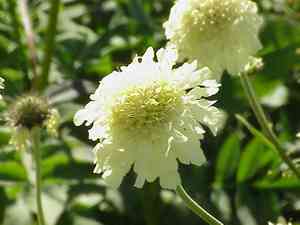
Belonging to the Caprifoliaceae botanical group, walter's viburnum is frequently multiplied via cuttings. Softwood cuttings prove most successful, requiring a humid setting and the application of a rooting stimulant to enhance propagation outcomes. Utilize a potting medium that drains efficiently, keeping it uniformly damp yet not saturated, to foster root formation. Offering filtered light instead of intense sunlight will aid these cuttings in developing into robust, established bushes.
What Is the Best Time To Propagate Walter's Viburnum?
Propagation Type
Cutting
Propagation Season
Spring,Summer
What Tools Are Used in Walter's Viburnum Propagation?
Sharp Pruning Shears
These are vital for obtaining cuttings from walter's viburnum. Sharp blades ensure a clean cut, reducing harm to the parent plant and boosting the cuttings' survival chances. A precise cut helps prevent disease and encourages faster healing.
Rooting Hormone
This substance speeds up root formation from walter's viburnum's cut stems. Dipping the cutting bases into rooting hormone significantly improves root growth, leading to a higher propagation success rate. This is especially useful as walter's viburnum might naturally root slowly.
Sterile Potting Mix
A clean medium is essential to prevent fungal or bacterial contamination, which could cause cuttings to fail. A well-draining, nutrient-rich potting mix offers an ideal setting for walter's viburnum root growth, supporting the establishment of new plants from cuttings.
Propagation Tray
These trays are used to arrange and support walter's viburnum cuttings in a controlled setting. Trays help maintain consistent moisture and temperature, crucial for successful rooting. This setup allows for handling many cuttings at once, suitable for large-scale propagation.
Plastic Covers or Domes
Covering the propagation tray with a plastic dome creates a moist microenvironment, which benefits walter's viburnum cuttings. Increased humidity lessens water loss from cuttings, supporting better survival during the critical root development phase.
How to Propagate Walter's Viburnum?
Propagation Type
Moderately Difficult
How to Care for Your Newly Propagated Walter's Viburnum?
How to Care for Your Newly Propagated Walter's Viburnum?
Once walter's viburnum cuttings have developed strong roots, gradually introduce them to ambient humidity by opening the plastic cover over a week. Transplant the new plants into individual pots with the same well-draining potting mix and continue regular watering. Place pots in partial shade and shield them from extreme temperatures until they are ready for their permanent spot. Check for pests and diseases, and apply a balanced slow-release fertilizer as per instructions for young woody plants.
Common Mistakes to Avoid When Propagating Walter's Viburnum
Overwatering cuttings
Gardeners often give walter's viburnum cuttings too much water, which can lead to root rot and fungal issues. Cuttings need moisture to root but should not be waterlogged.
Incorrect soil mix
Using a soil mix that drains poorly or has an unsuitable pH can impede root development in walter's viburnum. This can cause the propagation material to decay before roots can form.
Taking cuttings from weak stems
Choosing weak, diseased, or non-vigorous stems for cuttings can result in poor root development and a lower success rate because these cuttings lack sufficient energy reserves or growth potential.
Overcrowding cuttings
Placing too many cuttings together can restrict air circulation, increasing disease risk and making it difficult for walter's viburnum cuttings to grow robustly.
Neglecting humidity
Failing to maintain high humidity around walter's viburnum cuttings can cause them to dry out before rooting, especially crucial for indoor cuttings.
Tips For Propagating Walter's Viburnum
Semi-hardwood cuttings
Select semi-hardwood cuttings that are firm and have matured from recent growth. These typically root more successfully than softwood or hardwood cuttings for walter's viburnum.
Well-draining soil
Utilize a well-draining soil mix with proper aeration and the correct pH balance to encourage good root development without water stagnation for walter's viburnum.
Sterile equipment
Always use sterile pruning shears or knives when taking cuttings to minimize the risk of transmitting diseases to walter's viburnum.
Optimal cutting size
Cuttings should generally be about 6-8 inches long with several leaf nodes, as this size tends to promote effective rooting for walter's viburnum.
Humidity control
Provide cuttings with a high humidity environment, such as using a plastic bag or propagation chamber, without causing condensation to settle on leaves, to enhance rooting efficiency for walter's viburnum.



