How to Propagate Pinewoods spiderwort?
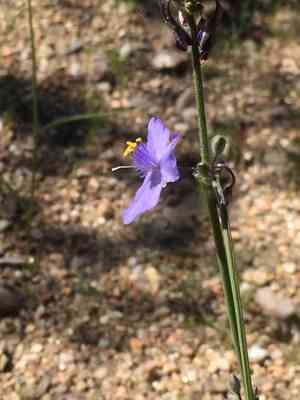
Tradescantia Pinewoods flourishes in soil that drains effectively and retains a moderate amount of moisture. For propagation via seeding, utilize recently harvested seeds and embed them slightly beneath the soil's surface. Ensure a regular watering regimen, avoiding excessive saturation of the growing medium. Sufficient light exposure and a protected setting are vital for its best development.
Optimal Period for Pinewoods Spiderwort Propagation
Propagation Method
Seeding
Propagation Period
Spring
Tools Required for Pinewoods Spiderwort Propagation
Seed Tray
A seed tray offers a controlled setting for seed germination. It's vital for maintaining consistent moisture, essential for successful pinewoods spiderwort seed sprouting.
Seedling Heat Mat
This device maintains a steady temperature, speeding up the germination process for pinewoods spiderwort. Uniform heat distribution is key for even seed emergence.
Propagation Dome
A propagation dome holds humidity and warmth, creating a greenhouse effect. This benefits pinewoods spiderwort by keeping the environment moist, encouraging faster germination.
Seed Starting Mix
A quality seed starting mix provides excellent drainage and aeration. For pinewoods spiderwort, it supports robust root development by offering a balanced medium for initial growth.
Misting Bottle
A misting bottle is used to gently dampen the soil without disturbing seeds. For pinewoods spiderwort, uniformly moist soil is crucial for seeds to begin sprouting.
Labeling Stakes
Labels help track different seed batches and their planting dates. This is especially important for monitoring the germination progress and health of pinewoods spiderwort seedlings.
Planting Dibber
A dibber creates small holes for planting seeds at the correct depth. For pinewoods spiderwort, precise depth ensures optimal growth conditions, aiding successful seed germination.
How to Propagate Pinewoods Spiderwort?
Propagation Type
Simple
Caring for Your Newly Propagated Pinewoods Spiderwort
Caring for Your Newly Propagated Pinewoods Spiderwort?
Post-propagation, position young pinewoods spiderwort plants in a spot with bright, indirect illumination. Water them regularly, allowing the top inch of soil to dry between waterings. Fertilize every 4-6 weeks with a balanced, water-soluble fertilizer at half strength. Check for pests and diseases, and ensure good air circulation to prevent fungal issues. Prune as needed to encourage bushier growth and remove spent blooms.
Common Errors to Avoid When Propagating Pinewoods Spiderwort
Overwatering
Excessive watering can lead to root rot, hindering pinewoods spiderwort's ability to establish healthy roots.
Incorrect Soil Usage
Using soil that retains too much moisture or lacks proper drainage can impede root development and increase the risk of fungal infections.
Insufficient Light
Placing pinewoods spiderwort in too much shade can result in weak, leggy growth, limiting the plant's ability to flourish.
Excessive Cutting
Taking too many cuttings from the parent plant can stress it and reduce its capacity to recover and continue growing.
Neglecting Pest Control
Failing to manage pests like spider mites can damage new and existing plants, hindering their growth and overall health.
Advice for Propagating Pinewoods Spiderwort
Proper Watering
Ensure the soil is moist but not waterlogged. Allow it to dry out slightly between waterings to prevent root rot.
Well-Draining Soil
Utilize a soil mix that drains effectively to prevent waterlogging, promoting healthy root growth for pinewoods spiderwort.
Adequate Light
Provide bright, indirect sunlight to encourage strong and healthy growth without causing leaf scorch.
Methodical Cutting
When taking cuttings, ensure they are from healthy sections and leave enough of the parent plant intact to sustain growth.
Pest Monitoring
Regularly inspect both the propagated cuttings and the parent plant for pests and treat any infestations promptly to maintain their health.



