How to Propagate Dominica sage?
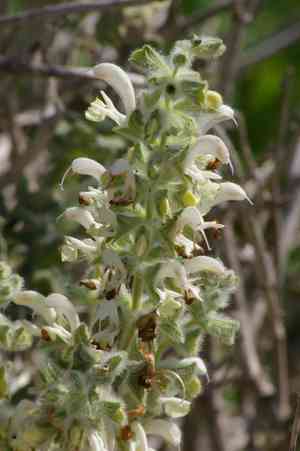
To propagate dominica sage, plant seeds in a growing medium that drains effectively and ensure they receive abundant sunlight. The seeds require a light covering of soil to encourage sprouting. It is essential to keep the soil consistently moist but not saturated. After the young plants appear, progressively decrease the watering schedule to prevent the decay of roots. Steady illumination and mild temperatures foster vigorous development. Carefully re-pot the young plants to avoid disrupting their root systems.
When Is the Optimal Time to Propagate Dominica Sage?
Propagation Method
Seeding
Propagation Period
Spring
What Equipment Is Used in Dominica Sage Propagation?
Seed Trays
Seed trays are vital for the initial phases of propagation. They offer a controlled setting for dominica sage seeds to sprout. Employing seed trays aids in organizing the planting process and ensures uniformity in seedling development.
High-Quality Potting Mix
A premium, well-draining potting mix is essential for establishing an ideal growth environment for dominica sage seedlings. This blend guarantees good air circulation and moisture retention, both crucial for seed germination and root formation.
Misting Spray Bottle
A misting spray bottle enables gentle irrigation of the seedlings, ensuring the soil stays damp without becoming saturated. This is particularly important for dominica sage as it prevents seed displacement and promotes consistent moisture levels.
Seedling Heat Mat
A seedling heat mat maintains a steady temperature, which can speed up the germination process for dominica sage. This device is especially useful in colder regions where soil temperatures might not be optimal for seed sprouting.
Humidity Dome
A humidity dome assists in retaining moisture and creating a humid atmosphere around the seedlings, which can accelerate germination and prevent the seeds from drying out. This is particularly advantageous for dominica sage as it ensures stable moisture levels.
Labeling Stakes
Labeling stakes are crucial for tracking different plant types and planting dates. Accurate labeling ensures that dominica sage seedlings are monitored correctly and receive appropriate care during the propagation process.
Sterilized Scalpels
Sterilized scalpels are useful when thinning out seedlings or making precise cuts if necessary. They help in reducing damage to dominica sage seedlings and minimize the risk of infections.
How to Propagate Dominica Sage?
Propagation Difficulty
Simple
How to Care for Your Newly Propagated Dominica Sage?
How to Care for Your Newly Propagated Dominica Sage?
Once the seedlings have developed sufficiently and possess a few sets of true leaves, transfer them to larger containers with well-draining, sandy soil. Gradually introduce the young plants to outdoor conditions over a week before planting them in their permanent spot. Ensure they receive full sun, limited water, and occasional feeding with a balanced fertilizer. Prune regularly to encourage bushier growth and reduce leggy stems.
Common Mistakes to Avoid When Propagating Dominica Sage
Overwatering
Excessive watering can lead to root rot, which is particularly harmful for dominica sage as it prefers well-draining soils. Too much moisture can also encourage fungal diseases.
Improper Soil Mix
Using dense or compacted soils can impede root development and drainage. Dominica sage thrives in a loose, sandy, or gritty soil blend that promotes good aeration and drainage.
Inadequate Light
Insufficient sunlight can result in weak, elongated growth. Dominica sage requires ample sunlight to produce strong, healthy plants.
Incorrect Cutting Technique
Damaging the stem while taking cuttings can reduce the chances of successful rooting. Clean, precise cuts are necessary to prevent infection and promote healthy growth.
Not Using Rooting Hormone
Skipping the application of rooting hormone can decrease the propagation success rate. Rooting hormone encourages root development and increases the chances of successful propagation.
Tips For Propagating Dominica Sage
Use Well-Draining Soil
Ensure the propagation medium drains effectively. A blend of sand, perlite, and potting soil works well for dominica sage.
Sufficient Sunlight
Place cuttings or seedlings in an area where they will receive abundant direct sunlight. Dominica sage performs best in full sun.
Proper Watering
Water sparingly to keep the soil slightly moist but not waterlogged. Allow the top layer of soil to dry out between watering to prevent root rot.
Hygienic Cutting Tools
Use clean, sharp scissors or a knife to take cuttings. This reduces the risk of transmitting diseases to dominica sage.
Apply Rooting Hormone
Dip the cut ends of the cuttings in rooting hormone before planting. This enhances root development and increases the likelihood of successful propagation.



