How to Propagate Biennial cinquefoil?
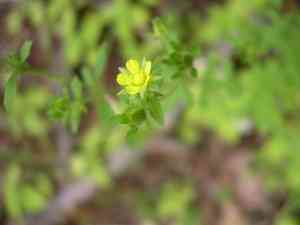
Two-year cinquefoil is a herbaceous plant with a two-year life cycle, indigenous to North America. For propagation, disperse seeds directly onto damp, adequately drained earth, covering them gently with substrate. Maintain steady hydration until sprouting begins. Choose a bright spot for best growth. Thin out young plants to prevent congestion and encourage strong maturation.
What Is the Best Time To Propagate Biennial Cinquefoil?
Propagation Type
Seeding
Propagation Season
Spring
What Tools Are Used in Biennial Cinquefoil Propagation?
Seed Trays
Seed trays are crucial for initiating seeds in a controlled setting. Their uniform dimensions allow for consistent spacing and growth of biennial cinquefoil seedlings, which is vital for their initial development.
Seed Starting Mix
A sterile, light seed starting mix offers an ideal medium for sprouting. It guarantees biennial cinquefoil seeds receive necessary nutrients and moisture while preventing illnesses.
Mist Sprayer
A mist sprayer is essential for maintaining appropriate moisture levels without disturbing the seeds. Consistent misting keeps the biennial cinquefoil seeds hydrated, which is crucial for successful germination.
Heat Mat
Heat mats provide steady bottom warmth to hasten germination by maintaining an optimal temperature range for biennial cinquefoil seeds. This aids in accelerating the seedling development process.
Humidity Dome
Humidity domes retain moisture and warmth, creating a micro-environment favorable for seed germination. For biennial cinquefoil, this ensures the high humidity levels required for sprouting.
Labeling Stakes
Labeling stakes assist in tracking specific biennial cinquefoil seed varieties, ensuring accurate identification and care throughout the propagation process.
Fine Sieved Soil
Fine sieved soil is used to lightly cover the seeds of biennial cinquefoil without impeding their emergence. This provides just enough cover to protect the seeds while allowing light penetration.
Transplanting Tool
A transplanting tool, such as a dibber or widger, simplifies handling and transferring young biennial cinquefoil seedlings without harming their delicate roots, ensuring healthy growth post-germination.
How to Propagate Biennial Cinquefoil?
Propagation Type
Simple
How to Care for Your Newly Propagated Biennial Cinquefoil?
How to Care for Your Newly Propagated Biennial Cinquefoil?
After propagation, biennial cinquefoil needs consistent watering to keep the soil uniformly moist, but not saturated. Ensure it gets full sun to partial shade. Mulch around the base to retain moisture and control weeds. Fertilize sparingly, as biennial cinquefoil thrives in less fertile soil and excessive fertilization can hinder its growth.
Common Mistakes to Avoid When Propagating Biennial Cinquefoil
Over-watering
Excessive moisture can lead to root rot and fungal diseases, severely impacting plant vitality.
Poor soil drainage
Inadequate drainage can result in waterlogged soil, impeding root development and causing root diseases.
Not stratifying seeds
Failure to simulate natural cold conditions can lead to low germination rates for seeds.
Ignoring soil quality
Using soil lacking nutrients or improperly balanced can stunt growth and weaken plants.
Crowding seedlings
Planting too many seeds close together can cause competition for resources, reducing overall plant vigor.
Tips For Propagating Biennial Cinquefoil
Ensure well-draining soil
Utilize a soil mix that allows excess water to drain away to prevent root rot.
Stratify seeds
Mimic natural cold conditions by stratifying seeds for improved germination success.
Maintain moderate moisture
Water soil sparingly, keeping it moist but not waterlogged to support healthy root development.
Use nutrient-rich soil
Incorporate compost or organic matter to provide essential nutrients for robust growth.
Space seedlings adequately
Plant seeds at a recommended distance to avoid overcrowding and ensure each seedling has ample space to grow.



