How to Propagate Heart-leaf plantain?
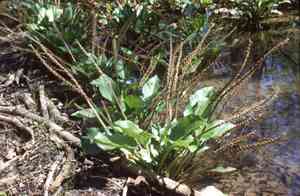
Heart-leaf plantain flourishes most effectively when multiplied by splitting. Gently detach the vigorous, sound portions of its root structure while repotting. A growing medium that allows for good drainage but holds moisture encourages superior root development. Sufficient distance between plants is crucial for development, affording each new specimen ample space to fully develop.
Optimal Time for Heart-leaf Plantain Propagation
Propagation Method
Separation
Propagation Period
Spring,Autumn
Tools Required for Heart-leaf Plantain Propagation
Sharp Knife or Garden Scissors
Crucial for making clean cuts through the root system of heart-leaf plantain during division. A sharp blade ensures precise incisions, minimizing tissue damage, which promotes faster recovery and lowers disease risk.
Gardening Gloves
Protect the hands of the propagator during the heart-leaf plantain division process, especially when handling sharp implements and the potentially rough, muddy root mass. Gloves also prevent the transfer of contaminants that could harm plant health.
Spade or Trowel
Utilized for carefully excavating the heart-leaf plantain without harming its root system. A robust spade or trowel aids in lifting the plant from the soil, ensuring a substantial portion of roots remains intact for successful propagation.
Watering Can with a Fine Rose
Essential for gently irrigating heart-leaf plantain after division, ensuring new plantings are adequately hydrated without dislodging or stressing delicate new root systems. This supports better initial growth conditions.
Rooting Hormone (optional)
Though not mandatory, applying a rooting hormone can accelerate root development in heart-leaf plantain. A small amount on cut surfaces before replanting can significantly improve the establishment of new plants.
How to Propagate Heart-leaf Plantain?
Propagation Type
Simple
Post-Propagation Care for Heart-leaf Plantain
Post-Propagation Care for Heart-leaf Plantain
Following propagation, ensure heart-leaf plantain receives partial to full sunlight and is situated in moist, well-draining soil. Regularly check soil moisture and water as needed to maintain consistent hydration. Fertilize sparingly if necessary and remove any dead or damaged foliage to encourage robust growth. Monitor for pests and diseases, taking appropriate action if any issues arise.
Common Errors to Avoid When Propagating Heart-leaf Plantain
Overwatering
Excessive watering of heart-leaf plantain during propagation can lead to root rot, which impairs its ability to absorb nutrients effectively and may result in the plant's demise.
Excessive use of fertilizer
Heart-leaf plantain is sensitive to high concentrations of fertilizers, particularly during the initial stages of propagation. Over-fertilization can cause nutrient burn, leading to scorched leaves and stunted growth.
Ignoring humidity requirements
Failure to maintain adequate humidity levels can cause heart-leaf plantain cuttings to dry out, impeding root development and reducing the likelihood of successful propagation.
Advice for Propagating Heart-leaf Plantain
Appropriate soil mix
Employ a well-draining, fertile soil mix to help maintain sufficient moisture without becoming waterlogged, which is crucial for the healthy root development of heart-leaf plantain.
Humidity control
Maintain high humidity around heart-leaf plantain during propagation by using a humidity dome or a plastic cover, ensuring optimal moisture levels for encouraging root growth.
Gentle handling
Handle heart-leaf plantain cuttings with care during the propagation process to avoid damaging delicate tissues, which can hinder the plant's ability to establish new roots.



