How to Propagate Chaparral pricklypear?
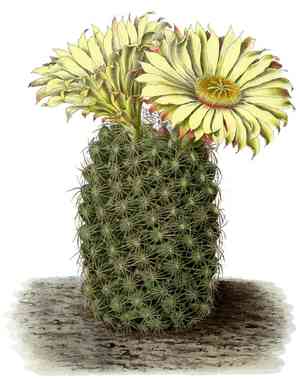
The Chaparral pricklypear, recognized for its hardiness and distinctive thorny look, mainly reproduces via seed dispersal. Effective propagation can be improved by guaranteeing the utilization of porous soil, replicating its native dry environment. Placing it in a brightly lit spot encourages peak development. Irrigate infrequently, as excessive moisture can cause root decay, a frequent problem in less arid settings. Careful handling of the seeds is essential given their fragile quality.
What Is the Best Time To Propagate Chaparral Pricklypear?
Propagation Type
Sowing
Propagation Season
Spring
What Tools Are Used in Chaparral Pricklypear Propagation?
Sharp, sterilized pruning shears or knife
These implements are crucial for making clean cuts on chaparral pricklypear segments or pads for propagation. A precise cut helps prevent disease and encourages quicker healing and root formation. Sterilizing tools before each cut minimizes pathogen transmission risk.
Gloves and tweezers
Given chaparral pricklypear's spiny nature, thick gloves protect hands from thorns, while tweezers can safely and precisely handle smaller pads. This ensures secure handling, reducing injury risk to both handler and plant.
Rooting hormone
This product aids in stimulating root development in cut chaparral pricklypear pads. Applying rooting hormone to the pad's cut end can boost root growth, leading to a higher success rate for new plant establishment.
Well-draining soil mix
A soil blend of sand, perlite, and compost is ideal for chaparral pricklypear, ensuring good drainage and aeration. This mix prevents root rot and supports strong root development, vital for successful growth and establishment of propagated plants.
Propagating tray or containers
These hold the soil and chaparral pricklypear cuttings during the rooting process. Using trays or containers specifically designed for propagation helps maintain necessary environmental conditions, such as humidity and temperature, crucial for root development.
How to Propagate Chaparral Pricklypear?
Propagation Type
Easy
How to Care for Your Newly Propagated Chaparral Pricklypear?
How to Care for Your Newly Propagated Chaparral Pricklypear?
Post-propagation, careful management of watering and sun exposure is vital. Water chaparral pricklypear only when the soil is completely dry, typically every 2-3 weeks. Fertilize annually with a cactus fertilizer to encourage growth and blooming. Keep chaparral pricklypear in a location receiving partial to full sunlight and shield from extreme temperatures. Regularly check for pests or diseases, treating them promptly if found.
Common Mistakes to Avoid When Propagating Chaparral Pricklypear
Overwatering
Watering chaparral pricklypear too often can cause root rot, as this species is adapted to dry climates and stores water. Excessive moisture disrupts its natural water regulation, potentially killing the plant.
Using non-sterile tools
Propagating chaparral pricklypear with unsterilized tools can introduce pathogens to cut surfaces, leading to infections that can severely impact the plant's health and propagation success.
Incorrect cutting technique
Making improper or jagged cuts on chaparral pricklypear pads can increase the area exposed to pathogens and create disease entry points, reducing successful propagation chances.
Ignoring pest infestations
Overlooking signs of pests like scale insects or mealybugs on chaparral pricklypear during propagation can result in weakened plants less likely to establish and grow healthily.
Tips For Propagating Chaparral Pricklypear
Correct soil mixture
Utilizing a well-draining soil mix, specifically formulated for cacti or succulents, ensures chaparral pricklypear has the ideal environment for root development without retaining excess moisture.
Proper cutting and healing
Make clean, horizontal cuts on chaparral pricklypear pads and allow cut surfaces to callous for several days before planting. This practice reduces disease risk and promotes better rooting.
Adequate sunlight and temperature
Provide chaparral pricklypear with sufficient sunlight and maintain temperatures conducive to cactus growth. Adequate light and warmth are essential for the successful establishment of new chaparral pricklypear plants.
Pest management
Regularly inspect chaparral pricklypear for any signs of pest activity and employ appropriate, gentle pest control methods when necessary. Maintaining chaparral pricklypear's health facilitates better growth and reproduction.



