How to Propagate Erect prickly pear?
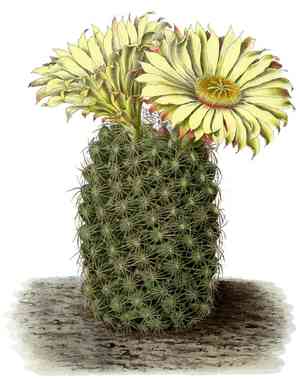
Robust and resilient, erect prickly pear is reproduced via segments, making it an approachable option for cultivators. The succulent characteristic of erect prickly pear facilitates swift root formation from these segments. For propagation, select robust pads and permit the severed end to harden for several days prior to embedding in porous soil. Maintaining low soil humidity prompts the segment to search for moisture and establish its root system. Cultivation in a bright, warm environment fosters strong growth.
What Is the Best Time To Propagate Erect Prickly Pear?
Propagation Type
Cutting
Propagation Season
Spring,Summer
What Tools Are Used in Erect Prickly Pear Propagation?
Sharp, sterile pruning shears
These are vital for making clean cuts when propagating erect prickly pear. A sharp, sanitized blade ensures a precise incision, minimizing harm and lowering the chance of infections at the cut sites. This is key for encouraging healthy root development from the cuttings.
Rooting hormone powder or gel
Applying a rooting hormone to the severed end of erect prickly pear cuttings aids in stimulating quicker and more effective root growth. This boosts the likelihood of successful propagation by fostering the development of robust roots, which are essential for nutrient and water absorption.
Well-draining cactus potting mix
This specific soil blend is crucial for erect prickly pear due to its requirement for excellent drainage. The mixture typically includes components like sand or perlite, which prevent water accumulation and decrease the probability of root rot, fostering a healthier growth environment for new cuttings.
Clean pots or trays
Used for planting the new cuttings, clean and appropriately sized pots or trays ensure ample room for developing roots. This also helps maintain cleanliness, reducing the risk of contamination and diseases that could impact propagation success.
How to Propagate Erect Prickly Pear?
Propagation Type
Easy
How to Care for Your Newly Propagated Erect Prickly Pear?
How to Care for Your Newly Propagated Erect Prickly Pear?
Once established, erect prickly pear needs minimal upkeep. It thrives in full sun and tolerates drought well. Water when the top inch of soil is dry, and reduce watering during colder months. Fertilize sparingly with a cactus-specific fertilizer during the growing season. Monitor for pests like aphids and scale, and treat with suitable insecticides if needed.
Common Mistakes to Avoid When Propagating Erect Prickly Pear
Overwatering
Excessive water can cause root rot in erect prickly pear, as their natural habitat is arid. Overwatering saturates the soil, depriving roots of oxygen and encouraging fungal growth, which can be harmful to the plant's health.
Using unhealthy parent plant material
Propagating from a diseased or weak parent plant will likely result in feeble offspring and can spread illnesses. It is essential to use healthy segments from the erect prickly pear to ensure the best chance of successful propagation.
Not allowing cuttings to callous
Cuttings of erect prickly pear need to form a protective layer over the cut surface before planting. Planting them too soon can lead to moisture-related issues, such as rot, due to the open wound.
Tips For Propagating Erect Prickly Pear
Providing proper light
After planting the cuttings, erect prickly pear requires ample indirect sunlight. This helps the plant generate sufficient energy for root establishment without causing sunburn to the new cuttings.
Using well-draining soil
A well-draining soil mix prevents water retention around the roots of erect prickly pear, lowering the risk of root rot. A blend of sand, perlite, and compost is beneficial for drainage and nutrition.
Moderate initial watering
After planting erect prickly pear cuttings, water them moderately to encourage root growth. Allow the soil to mostly dry out between waterings to avoid overwatering.



