How to Propagate Manchurian yellow loosestrife?
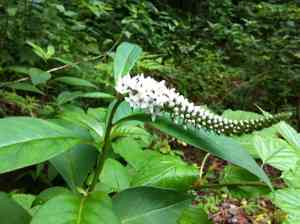
Manchurian yellow loosestrife flourishes in damp, adequately drained earth and favors moderate to ample sun exposure. For planting, utilize recently harvested seeds, as these exhibit superior sprouting potential. Distribute the seeds in trays containing a free-draining substrate, and ensure the medium remains uniformly hydrated. Enclose the tray with plastic to preserve moisture levels. After seedlings develop several mature leaves, transfer them to a container or directly into garden plots, allowing sufficient room for expansion.
When Is the Best Time To Propagate Manchurian Yellow Loosestrife?
Propagation Method
Seeding
Propagation Period
Spring
What Equipment Is Used in Manchurian Yellow Loosestrife Propagation?
Seed Tray
A seed tray offers a regulated setting for planting manchurian yellow loosestrife seeds, ensuring even moisture distribution and reducing damage or disease risks.
Seed Starting Mix
Specialized seed starting mix is vital for manchurian yellow loosestrife, as it provides the correct texture and nutrient levels to promote germination and robust root growth.
Fine Sprayer
A fine sprayer ensures the delicate manchurian yellow loosestrife seeds receive gentle, uniform moisture without being displaced or overly covered.
Heating Mat
Maintaining ideal soil temperature is critical for manchurian yellow loosestrife germination, and a heating mat helps achieve this by providing consistent, controlled warmth.
Clear Plastic Dome
A clear plastic dome creates a miniature greenhouse effect, maintaining humidity and temperature levels perfect for manchurian yellow loosestrife seeds to germinate effectively.
Labels
Labeling each seed tray or individual cell helps track different stages and varieties of manchurian yellow loosestrife, ensuring proper care and monitoring during the propagation process.
Propagation Fertilizer
A propagation fertilizer is used to supply essential nutrients once manchurian yellow loosestrife seeds have germinated, fostering strong and healthy seedling development.
Small Hand Trowel
A small hand trowel is useful for handling and moving young manchurian yellow loosestrife seedlings during transplanting, minimizing root disturbance and ensuring a smooth transition.
How to Propagate Manchurian Yellow Loosestrife?
Propagation Difficulty
Simple
How to Care for Your Newly Propagated Manchurian Yellow Loosestrife?
How to Care for Your Newly Propagated Manchurian Yellow Loosestrife?
Following transplanting, position manchurian yellow loosestrife seedlings in an area receiving partial to full sunlight. Keep the soil consistently moist, especially during the initial weeks. Gradually acclimatize the plants to outdoor conditions if they will be grown outside. Fertilize with a balanced, water-soluble fertilizer monthly to support vigorous growth. Monitor for pests and diseases, and take appropriate action if necessary.
Common Errors to Avoid When Propagating Manchurian Yellow Loosestrife
Overwatering
Excessive watering can lead to root rot, which is detrimental to the health and growth of manchurian yellow loosestrife. The soil should be kept moist but not waterlogged.
Incorrect Soil Type
Using heavy, clayey soil can hinder root development and drainage. Manchurian yellow loosestrife prefers well-draining, slightly acidic to neutral soil.
Improper Light Conditions
Providing too much shade or intense direct sunlight can stress the plant. Manchurian yellow loosestrife thrives in partial shade to full sunlight.
Ignoring Pest Control
Neglecting pest control can lead to infestations that damage the plant. Aphids and spider mites are common pests that need to be managed.
Wrong Cutting Technique
Using dull or dirty tools for stem cuttings can cause tissue damage and increase the risk of infection. Proper tools and technique are crucial for healthy propagation.
Tips For Propagating Manchurian Yellow Loosestrife
Well-Draining Soil
Utilize a blend of sand, peat, and perlite to ensure good drainage. This prevents water from accumulating around the roots.
Moderate Watering
Maintain consistent moisture in the soil without over-saturating it. Check the top layer of soil before watering again.
Optimal Light Exposure
Place manchurian yellow loosestrife in a location with filtered sunlight or partial shade. Avoid extreme light conditions to prevent leaf burn or lack of growth.
Regular Pest Inspection
Inspect manchurian yellow loosestrife regularly for signs of pests and treat promptly with insecticidal soap or neem oil if infestations are found.
Clean Cutting Tools
Sterilize cutting tools before and after use to prevent the spread of diseases. Make clean, angled cuts to encourage healthy root development.



