How to Propagate Arctic lupine?
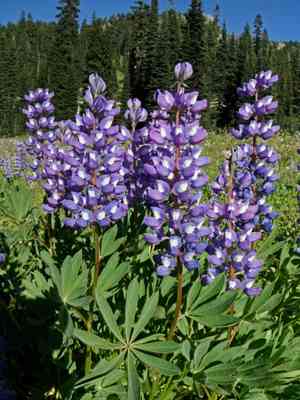
A member of a genus recognized for its vibrant floral spikes, arctic lupine reproduces efficiently via cuttings. Cultivators ought to collect semi-mature stem cuttings during the period of vigorous growth, making certain each segment possesses a minimum of one leaf joint for effective root formation. Rooting stimulant can boost the probability of success, and a porous soil blend offers the ideal setting for root expansion. Steady hydration and warmth are essential, yet refrain from waterlogged states that could cause decay. After rooting, the cuttings must be progressively accustomed to external environments prior to relocation.
Optimal Time for Arctic Lupine Propagation
Propagation Method
Cutting
Propagation Period
Spring,Summer
Tools for Arctic Lupine Propagation
Sharp pruning shears
These are crucial for obtaining clean, precise cuttings from arctic lupine. Sharp blades minimize damage to the parent plant, encouraging healthier regrowth and lowering the risk of disease spread.
Rooting hormone powder
This promotes root development in arctic lupine cuttings. Applying a rooting hormone significantly increases the chances of successful rooting, which is vital for arctic lupine's delicate cuttings that might otherwise struggle to establish roots.
Sterilized potting mix
A well-draining, sterile potting mix offers an ideal environment for arctic lupine cuttings to root. It prevents fungal or bacterial growth and ensures that the fragile new roots of arctic lupine receive the proper air and moisture needed to flourish.
Propagator with humidity control
This tool helps maintain ideal humidity and temperature levels, which are essential for arctic lupine cuttings to root effectively. The controlled environment reduces stress on the cuttings, leading to a higher propagation success rate.
Misting bottle
Used for gently hydrating arctic lupine cuttings, a misting bottle helps keep the soil moist but not saturated, which is crucial for the initial stages of root development. This targeted watering method minimizes disturbance to the rooting medium.
Labels and markers
Important for recording the specifics of each propagation attempt, including the date and unique characteristics of arctic lupine cuttings. Proper labeling aids in tracking growth progress and maintaining organized propagation efforts.
How to Propagate Arctic Lupine?
Propagation Type
Easy
Caring for Newly Propagated Arctic Lupine
Caring for Newly Propagated Arctic Lupine
Once arctic lupine has been successfully propagated and the new plants have developed a robust root system, transplant them into larger containers or a garden bed with rich, well-draining soil. Provide full to partial sunlight and water regularly, but avoid overwatering. Arctic lupine thrives in cooler temperatures and can withstand frost. Support ecological compatibility by avoiding planting in non-native regions to prevent potential invasiveness.
Common Mistakes to Avoid When Propagating Arctic Lupine
Insufficient stratification
Failing to provide a stratification period for arctic lupine seeds can lead to low germination rates. This plant species requires a period of cold to break seed dormancy.
Overwatering
Excessive watering can cause root rot and fungal diseases in arctic lupine, as the species is adapted to well-drained soils in its natural habitat.
Deep sowing
Sowing arctic lupine seeds too deeply may hinder germination, as they require light for optimal germination and should only be lightly covered with soil.
Tips For Propagating Arctic Lupine
Cold stratification
Expose arctic lupine seeds to a period of cold stratification before sowing to boost germination rates by mimicking the natural winter conditions the seeds would encounter in the wild.
Well draining soil
Utilize a well-draining soil mix when planting arctic lupine to prevent waterlogging and replicate the plant's natural soil conditions, thereby preventing root diseases.
Shallow sowing
Sow arctic lupine seeds shallowly, just barely covering them with soil, to ensure they receive the necessary light for germination.



