How to Propagate Nevada biscuitroot?
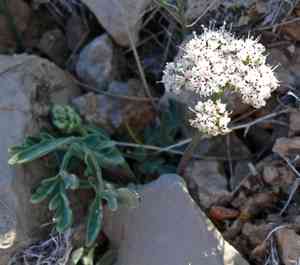
Nevada biscuitroot thrives in adequately drained soil and ample sunlight. To propagate by seeding, overcome seed dormancy by stratifying the seeds in a damp substrate for a few weeks. Gently cover the seeds with earth and ensure continuous moisture until sprouting occurs. Employing a cold frame or greenhouse enhances successful outcomes. Periodically inspect soil dampness and supply moderate irrigation after germination. These measures foster vigorous growth.
Optimal Time for Nevada Biscuitroot Propagation
Propagation Method
Seeding
Propagation Period
Spring
Tools for Nevada Biscuitroot Propagation
Seed Tray
Crucial for initiating seeds indoors or in a regulated setting. The seed tray offers a secure and defined area for nevada biscuitroot seeds to sprout, ensuring consistent growth conditions.
Seedling Heat Mat
Utilized to sustain ideal soil warmth for sprouting. Nevada biscuitroot seeds may benefit from a slightly warmer environment to guarantee successful emergence, which a heat mat can provide.
Seed Starting Mix
A light, free-draining blend that supports seed germination while preventing damping-off diseases. This ensures nevada biscuitroot seedlings access necessary nutrients and moisture without becoming waterlogged.
Humidity Dome
Placed atop seed trays to maintain elevated humidity levels. This is vital for nevada biscuitroot seeds, as consistent moisture can boost germination rates and foster a healthy micro-environment for seedlings.
Spray Bottle
Used to gently mist the soil and young seedlings, ensuring they receive sufficient moisture without dislodging the seeds. This is especially important for the delicate nevada biscuitroot seedlings.
Labeling Stakes or Markers
To keep track of various plantings, particularly when propagating multiple species. Clearly labeling each nevada biscuitroot planting aids in effective monitoring and care.
Transplanting Trowel
A tool for carefully moving seedlings from the tray to their subsequent growing location. It minimizes root disturbance and ensures nevada biscuitroot seedlings are planted at the correct depth.
Seed Scarifier
A specialized implement for lightly abrading the hard seed coat of nevada biscuitroot, if required, to encourage water absorption and germination. This can be crucial as some seeds have tough exteriors that hinder germination.
Organic Fertilizer
Supplies young seedlings with essential nutrients to continue robust growth post-germination. Using a balanced organic fertilizer ensures nevada biscuitroot has a healthy start without chemical burn risks.
How to Propagate Nevada Biscuitroot?
Propagation Type
Simple
Caring for Your Newly Propagated Nevada Biscuitroot
Caring for Your Newly Propagated Nevada Biscuitroot
Following germination, gradually introduce young nevada biscuitroot plants to outdoor conditions by exposing them to increasing sunlight. Water sparingly, allowing the soil to dry between waterings, as nevada biscuitroot is drought-tolerant. Monitor for pests and diseases, applying appropriate treatment when necessary. Mulching around the base can help retain moisture and suppress weeds. Once established, nevada biscuitroot is low-maintenance and thrives in well-drained soils, requiring minimal watering.
Common Errors to Avoid When Propagating Nevada Biscuitroot
Overwatering
Excessive moisture can lead to root rot and impede the germination process.
Incorrect Soil Selection
Utilizing nutrient-rich, high-moisture soil instead of well-draining, sandy soil can result in poor root development.
Planting Depth
Sowing seeds too deeply can lead to poor germination, as seeds require light exposure or a specific depth to sprout effectively.
Temperature Mismanagement
Failing to maintain the correct temperature can slow down or completely halt germination, as nevada biscuitroot seeds may require specific temperature ranges.
Tips For Propagating Nevada Biscuitroot
Well-Drained Soil
Employ a well-draining, sandy soil mix to mimic the plant's natural environment and prevent root rot.
Proper Watering
Water sparingly to prevent over-saturation, allowing the soil to dry slightly between waterings.
Correct Planting Depth
Sow seeds at the recommended shallow depth to ensure they receive adequate light and have better chances of germination.
Temperature Control
Maintain an optimal temperature range suitable for nevada biscuitroot during the germination period to enhance seed sprouting.



