How to Propagate Woollyfruit desertparsley?
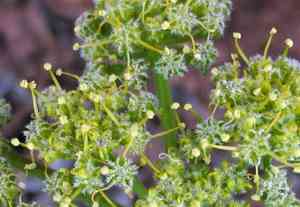
Woollyfruit desertparsley flourishes when reproduced by seeding. To achieve the best outcomes, verify that the seeds are new and have undergone stratification if needed to overcome dormancy. Plant them in soil that drains well, preferably in dappled light, to replicate their native habitat. Lightly cover the seeds with earth, as they need some illumination for successful sprouting. Consistent irrigation should be provided until germination takes place, subsequent to which woollyfruit desertparsley tolerates more arid environments.
What Is the Best Time To Propagate Woollyfruit Desertparsley?
Propagation Type
Sowing
Propagation Season
Spring
What Tools Are Used in Woollyfruit Desertparsley Propagation?
Seed trays
Seed trays offer a controlled setting, vital for the germination of woollyfruit desertparsley seeds. These trays help maintain consistent moisture and temperature, both crucial for successful woollyfruit desertparsley germination. The individual compartments facilitate easy management of seedlings, minimizing root disturbance during transplanting.
Misting system
A misting system is essential for keeping woollyfruit desertparsley's seedlings uniformly moist without over-saturating the soil. This is especially beneficial for woollyfruit desertparsley, which may be susceptible to excessive moisture that can cause fungal diseases. The gentle spray ensures the delicate seeds of woollyfruit desertparsley are not dislodged, promoting even germination.
High-quality potting mix
Utilizing a premium, well-draining potting mix supports the delicate germination process of woollyfruit desertparsley. A potting mix with good aeration and water retention balances the needs of woollyfruit desertparsley by providing an ideal substrate. This encourages robust root development, essential for healthy seedling growth.
Perlite
Incorporating perlite into the potting mix enhances the soil's air porosity and drainage, critical for the shallow roots of woollyfruit desertparsley seedlings. This ensures roots receive sufficient air and reduces the risk of waterlogging, which can be detrimental to the health of the growing plants.
Grow lights
Grow lights are advantageous when sowing indoors or during low-light conditions, which can often occur when propagating woollyfruit desertparsley. They provide the necessary light spectrum to promote photosynthesis and healthy growth in woollyfruit desertparsley seedlings until they are strong enough for natural sunlight.
How to Propagate Woollyfruit Desertparsley?
Propagation Type
Easy
How to Care for Your Newly Propagated Woollyfruit Desertparsley?
How to Care for Your Newly Propagated Woollyfruit Desertparsley?
Once woollyfruit desertparsley seedlings have emerged and reached an adequate size, gradually acclimate them to outdoor conditions before transplanting. Ensure they are planted in a sunny location with well-drained soil. Water them regularly during their initial growing season to establish an extensive root system, then reduce watering as they mature. Woollyfruit desertparsley is drought-tolerant once established, requiring minimal watering thereafter, except during extended dry periods.
Common Mistakes to Avoid When Propagating Woollyfruit Desertparsley
Over-watering
This can lead to root rot and fungal diseases, jeopardizing the plant's health and potentially killing young seedlings.
Poor soil drainage
Planting in heavy or compacted soil can suffocate roots and hinder proper growth, resulting in unhealthy plants.
Improper seed handling
Failure to stratify seeds can lead to low germination rates, as woollyfruit desertparsley seeds require exposure to cold temperatures to break dormancy.
Inadequate sunlight
Placing woollyfruit desertparsley seedlings in too much shade can stunt their growth and result in weak plants, as they need ample sunlight for vigorous development.
Tips For Propagating Woollyfruit Desertparsley
Use well-draining soil mix
Ensure the planting medium allows for proper drainage to prevent waterlogging and root rot.
Stratify seeds
Mimic winter conditions by refrigerating seeds for several weeks to break dormancy and enhance germination rates.
Maintain moderate watering
Keep the soil moist but not waterlogged, allowing it to dry out slightly between watering sessions for optimal root health.
Provide ample sunlight
Place seedlings in a location where they can receive plenty of sunlight to encourage strong growth and development.



