How to Propagate Ipomoea aristolochiifolia?
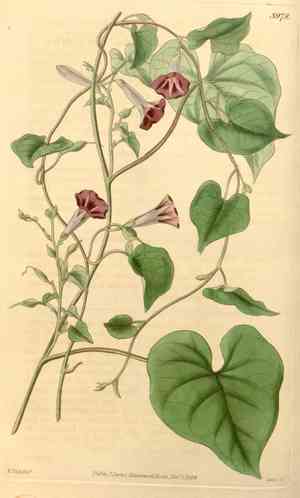
Ipomoea aristolochiifolia is most effectively multiplied using cuttings, sourced from robust stems. Verify that the cuttings are semi-lignified and possess a minimum of one growth point. Insert these into a substrate that drains efficiently, positioned in dappled light to preserve humidity. Consistent irrigation promotes the formation of roots. Employing rooting compounds can elevate the chances of success. Ongoing nurturing and oversight are crucial for vigorous development.
Optimal Time for Ipomoea Aristolochiifolia Propagation
Propagation Method
Cutting
Propagation Period
Spring,Summer
Tools Required for Ipomoea Aristolochiifolia Propagation
Pruning Shears
These are vital for obtaining cuttings from ipomoea aristolochiifolia. Sharp, high-quality shears create clean cuts, which are essential for minimizing plant trauma and encouraging rapid root development.
Rooting Hormone
This powdered or gel substance is applied to the severed ends of ipomoea aristolochiifolia cuttings to stimulate root formation. Rooting hormone contains auxins, which promote root growth and enhance propagation success rates.
Propagation Trays
These containers offer a designated space for positioning ipomoea aristolochiifolia cuttings. They ensure the cuttings remain upright and separated, improving air circulation and reducing the risk of fungal diseases.
Humidity Dome
A transparent plastic cover that fits over propagation trays to maintain elevated humidity levels. High humidity is crucial for minimizing water loss through transpiration in ipomoea aristolochiifolia cuttings until roots develop.
Sterile Potting Mix
A well-draining, sterile potting medium ensures that ipomoea aristolochiifolia cuttings receive necessary nutrients without the threat of soil-borne pathogens. It provides an ideal environment for root development.
Heat Mat
This is positioned beneath propagation trays to provide consistent warmth to the base. Maintaining a warm temperature can significantly boost the rooting success rate of ipomoea aristolochiifolia, as warmth encourages root growth.
Spray Bottle
Used to mist the cuttings and maintain humidity without excessive watering. This tool helps keep the leaves of ipomoea aristolochiifolia hydrated during the rooting process, which is crucial in the initial stages of propagation.
How to Propagate Ipomoea Aristolochiifolia?
Propagation Difficulty
Moderately Difficult
Caring for Your Newly Propagated Ipomoea Aristolochiifolia
Caring for Your Newly Propagated Ipomoea Aristolochiifolia
Once roots have formed, gradually introduce the cuttings to typical household humidity by removing the plastic cover. Transplant the young plants into individual pots containing rich, well-draining soil. Continue to water regularly, ensuring the soil remains consistently moist. Position the plants in a spot with bright, indirect light, and consider providing a balanced liquid fertilizer monthly during the growing season to encourage robust growth.
Common Errors to Avoid When Propagating Ipomoea Aristolochiifolia
Incorrect Soil Type
Utilizing soil that retains excessive moisture or lacks adequate drainage can lead to root rot and poor development.
Overwatering
Supplying too much water can cause roots to become waterlogged and susceptible to diseases.
Insufficient Light
Placing ipomoea aristolochiifolia in areas with inadequate illumination can hinder its photosynthetic processes, resulting in weak or stunted growth.
Neglecting Pest Control
Failing to inspect for pests such as aphids or spider mites can result in infestations that harm the plant.
Improper Cutting Techniques
Using dull or uncleaned tools for stem cuttings can cause damage and increase the likelihood of infections.
Advice for Propagating Ipomoea Aristolochiifolia
Use Well-Draining Soil
Ensure the planting medium allows for good drainage to prevent water accumulation and root rot.
Moderate Watering
Water the plant sparingly, allowing the top layer of soil to dry out between watering sessions to avoid overwatering.
Provide Sufficient Light
Place ipomoea aristolochiifolia in a location where it can receive ample indirect sunlight to support healthy growth.
Monitor for Pests
Regularly check for signs of pests and take timely action to mitigate any infestations.
Use Clean, Sharp Tools
When taking cuttings, use sterilized and sharp tools to make clean cuts and reduce the risk of infections.



