How to Propagate Broad-leaf bamboo?
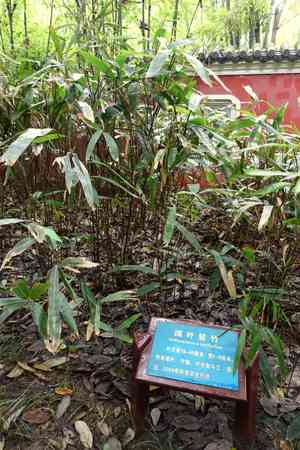
Broad-leaf bamboo, a specific bamboo variety, thrives when propagated via division, a highly effective and straightforward technique for this particular species. To propagate broad-leaf bamboo, meticulously divide mature clusters into smaller portions, making sure every segment possesses an adequate root structure. This method contributes to the ongoing well-being of broad-leaf bamboo and fosters vigorous development in fresh planting sites.
Optimal Time for Broad-leaf Bamboo Propagation?
Propagation Method
Division
Propagation Period
Spring,Autumn
Tools for Broad-leaf Bamboo Propagation?
Sharp Spade or Garden Knife
Utilized for carefully separating the root ball of broad-leaf bamboo. A keen edge ensures clean cuts, minimizing root trauma and encouraging faster recovery and successful establishment.
Pruning Shears
Crucial for trimming any unhealthy or excess foliage before and after division. This tool aids in reducing stress on broad-leaf bamboo by directing its energy towards establishing new growth.
Garden Fork
Employed to loosen the soil around broad-leaf bamboo prior to division, facilitating easier lifting of the plant without damaging the root structure. A garden fork is particularly effective in keeping the root ball intact.
Watering Can or Hose with a Gentle Spray Setting
Essential for keeping broad-leaf bamboo adequately hydrated post-propagation. Gentle watering supports root recovery and new growth without displacing or compacting the soil.
Rooting Hormone (optional)
Though not mandatory, applying a rooting hormone to the cut surfaces can boost root development in broad-leaf bamboo, enhancing propagation success rates.
How to Propagate Broad-leaf Bamboo?
Propagation Type
Easy
Caring for Newly Propagated Broad-leaf Bamboo?
Caring for Newly Propagated Broad-leaf Bamboo?
Following propagation, continue to provide broad-leaf bamboo with care suited to its growth needs. This involves consistent watering to keep the soil moist but not saturated, and applying a balanced, slow-release fertilizer during the growing season to encourage robust growth and leaf development. Regularly inspect for signs of pests or diseases, especially during warmer months. As broad-leaf bamboo matures, manage its size and form through selective pruning, and consider adding a layer of mulch to retain soil moisture and keep the root system cool.
Common Errors to Avoid When Propagating Broad-leaf Bamboo
Overwatering
Excessive watering can lead to root rot in broad-leaf bamboo, as its roots require well-draining soil to remain healthy. Too much moisture can suffocate the roots, hindering nutrient absorption and increasing susceptibility to diseases.
Using old or infested culms
Employing older or infested culms as propagation material is detrimental because they may lack the vigor to produce healthy new shoots or could spread pests and diseases to new plants.
Insufficient root division
Inadequate root division during propagation can result in weak new plants. Broad-leaf bamboo needs a substantial root portion to ensure sufficient energy and resources for successful growth.
Ignoring environmental factors
Disregarding the specific environmental requirements of broad-leaf bamboo, such as light needs and soil type, can impede growth. Improper conditions can stress the plant, reducing propagation success.
Advice for Propagating Broad-leaf Bamboo
Select healthy culms
When propagating broad-leaf bamboo, always choose healthy, robust culms. This ensures a higher success rate as healthier parent material is more likely to generate strong new growth.
Maintain proper humidity
Broad-leaf bamboo thrives in suitably humid conditions. Maintaining appropriate humidity aids in the establishment of new plants, ensuring they do not dry out.
Use well-draining soil
Utilize well-draining soil to prevent waterlogging. Good drainage is vital for broad-leaf bamboo to avert root diseases and foster healthy root development.
Appropriate planting depth
When planting broad-leaf bamboo's culms or rhizomes, ensure they are not buried too deeply. A suitable depth facilitates easier sprouting and minimizes the risk of rot.



