How to Propagate Lanceleaf blanketflower?
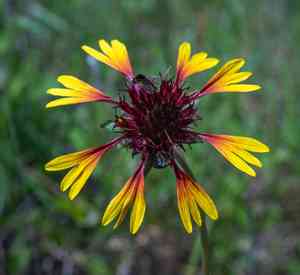
Effective propagation of Lanceleaf blanketflower is achieved through stem sections. To optimize outcomes, select robust, non-blooming stems and make a diagonal cut at 45 degrees to maximize the area available for root formation. Apply a rooting stimulant to foster faster and more dependable root emergence. Insert the cuttings into a potting blend that drains efficiently, incorporating a substantial amount of perlite or sand to hold moisture while permitting surplus water to drain, which is vital for preventing root decay. Periodically spray the growing medium to maintain dampness until the root system is established.
Optimal Time for Lanceleaf Blanketflower Propagation
Propagation Method
Cutting
Propagation Period
Spring,Summer
Tools for Lanceleaf Blanketflower Propagation
Sharp Pruning Shears
Sharp pruning shears are crucial for making clean cuts on stems for propagation. A precise cut is vital to prevent disease and damage to lanceleaf blanketflower's tissues, encouraging faster root growth. Choose shears with stainless steel blades for rust resistance and consistent performance.
Rooting Hormone
Rooting hormone enhances the success rate of rooting for lanceleaf blanketflower's cuttings. This substance stimulates root development at the cut, which is essential for lanceleaf blanketflower that might otherwise root slowly. It's available in powder, liquid, or gel forms based on preference.
Sterilized Potting Mix
A sterilized potting mix provides a disease-free environment, critical for the health and success of newly propagated lanceleaf blanketflower plants. This medium helps maintain proper moisture and aeration, key conditions for new roots to form. Select a well-draining, lightweight mix for healthy root systems.
Trays or Pots
Suitable planting trays or pots are necessary for placing fresh lanceleaf blanketflower stem cuttings. Ensure these containers have good drainage to prevent waterlogging, which can lead to rot and other issues. The right size helps maintain proper moisture and space for growth.
Plant Labels
Plant labels are important for tracking the species and propagation date, especially when managing multiple lanceleaf blanketflower plants or varieties. This tool aids in effective organization and management, ensuring proper care throughout the propagation stages.
How to Propagate Lanceleaf Blanketflower?
Propagation Type
Easy
Caring for Your Newly Propagated Lanceleaf Blanketflower
Caring for Your Newly Propagated Lanceleaf Blanketflower
Once rooted and growing, gradually introduce lanceleaf blanketflower to less humid conditions before moving outdoors. Ensure the plant gets full sun and is in well-drained soil. Water regularly, but let the soil dry slightly between waterings to prevent root rot. Removing spent flowers will encourage more blooms and extend the flowering period.
Common Propagation Mistakes to Avoid with Lanceleaf Blanketflower
Overwatering
Excessive watering can cause root rot in lanceleaf blanketflower, as it prefers well-draining soil. Saturated conditions can hinder root development and increase susceptibility to diseases.
Deep planting
Planting seeds or cuttings too deep can impede germination and growth in lanceleaf blanketflower, as they need light for optimal germination and should be sown on the soil surface or lightly covered.
Ignoring soil composition
Using heavy or poorly draining soil can be harmful for lanceleaf blanketflower, which thrives in lighter, well-drained soils. Compacted soils can restrict root growth and reduce overall plant vigor.
Tips For Propagating Lanceleaf Blanketflower
Surface sowing
For seed propagation of lanceleaf blanketflower, sow seeds on the soil surface or with a very thin layer of soil, as they require light for effective germination.
Cutting preparation
When propagating lanceleaf blanketflower from cuttings, ensure they are taken from healthy, disease-free plants and include several nodes. This increases the chance of successful rooting.
Soil mixture
Use a well-draining soil mix, possibly enhanced with sand or perlite, to promote effective drainage and support healthy root development in lanceleaf blanketflower. This mimics the natural soil conditions optimal for lanceleaf blanketflower.



