How to Propagate Pinkflower hedgehog cactus?
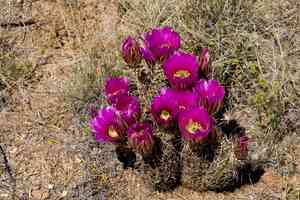
Echinocereus fendleri, a robust cactus variety, flourishes in dry environments and favors porous sandy or stony substrates. To propagate, gently press seeds into the growing medium. Ensure continuous dampness until sprouting occurs. Place in a brightly lit spot and sustain a warm atmosphere. Decrease watering after establishment to avert decay. Due to its hardiness, Echinocereus fendleri is perfect for water-efficient landscaping.
Optimal Period for Pinkflower Hedgehog Cactus Propagation
Propagation Method
Seeding
Propagation Period
Spring
Equipment Utilized in Pinkflower Hedgehog Cactus Propagation
Seed Trays
Seed trays offer a controlled setting perfect for the initial phases of sowing pinkflower hedgehog cactus seeds. The individual sections ensure each seed has ample room to grow without crowding, fostering robust root development and minimizing resource competition.
Sterile Potting Mix
Employing a sterile potting mix helps prevent diseases and pests that could harm delicate pinkflower hedgehog cactus seedlings. The mix provides excellent drainage and aeration, vital for the growth and establishment of cactus seeds.
Heat Mat
A heat mat provides consistent warmth, which is essential for the germination of pinkflower hedgehog cactus seeds. Cacti, including pinkflower hedgehog cactus, often need warm soil temperatures to initiate seed germination, making this tool crucial for successful propagation.
Humidity Dome
Humidity domes placed over seed trays help maintain a high humidity environment, necessary for the germination of pinkflower hedgehog cactus seeds. This prevents the seeds from drying out during the critical germination phase.
Spray Bottle
A spray bottle allows for gentle misting of the soil, providing moisture without disturbing or washing away the small pinkflower hedgehog cactus seeds. Maintaining proper moisture levels is vital for seed germination and early growth.
Labeling Stakes
Labeling stakes assist in tracking different species or batches, especially when propagating multiple cacti. Accurate labeling ensures you can monitor and care for pinkflower hedgehog cactus appropriately without confusion.
Fine Mesh Sieve
A fine mesh sieve is used to lightly cover seeds with soil or fine gravel, protecting pinkflower hedgehog cactus seeds from pests while allowing light to reach them if needed. This layer also helps retain moisture around the seeds.
Lighting System
A suitable lighting system, such as a grow light, ensures that pinkflower hedgehog cactus seedlings receive adequate light, especially during early development stages when natural sunlight may not be sufficient. This encourages strong, healthy growth.
Tweezers
Tweezers aid in handling the tiny pinkflower hedgehog cactus seeds during sowing. This precision tool allows for careful placement of seeds in the tray, minimizing the risk of damage or loss.
Root Hormone
While not always necessary, a root hormone can aid in the development of strong roots in pinkflower hedgehog cactus seedlings, especially if they struggle to establish themselves initially. This can promote faster growth and improve overall viability.
How to Propagate Pinkflower Hedgehog Cactus?
Propagation Type
Simple
Caring for Your Newly Propagated Pinkflower Hedgehog Cactus
Caring for Your Newly Propagated Pinkflower Hedgehog Cactus
After germination, pinkflower hedgehog cactus should be transplanted into individual pots with well-draining soil once they are large enough to handle. Position them in a sunny location and water sparingly, allowing the soil to dry completely between waterings. Protect them from extreme cold and provide occasional cactus fertilizer during the growing season to encourage healthy growth.
Common Errors to Avoid When Propagating Pinkflower Hedgehog Cactus
Overwatering
Excessive water can lead to root rot, which is particularly detrimental to pinkflower hedgehog cactus. This can result in plant death.
Using Poor-Draining Soil
Soil that retains too much moisture can also contribute to root rot. Pinkflower hedgehog cactus requires well-draining soil to thrive.
Lack of Sunlight
Pinkflower hedgehog cactus needs plenty of sunlight to grow. Insufficient light can result in poor growth and weak plants.
Not Allowing Cuttings to Callous
Planting fresh cuttings without letting them callous over can lead to rot and unsuccessful propagation.
Advice for Propagating Pinkflower Hedgehog Cactus
Use Well-Draining Soil
Opt for a cactus or succulent mix to ensure proper drainage, preventing root rot.
Moderate Watering
Water sparingly, allowing the soil to dry out completely between waterings to avoid overwatering.
Ensure Adequate Sunlight
Place pinkflower hedgehog cactus in a location with plenty of sunlight, ideally in direct sunlight for several hours a day.
Allow Cuttings to Callous
After taking cuttings, let them sit in a dry place for a few days until the cut ends callous over before planting.



