How to Propagate Tall mountain larkspur?
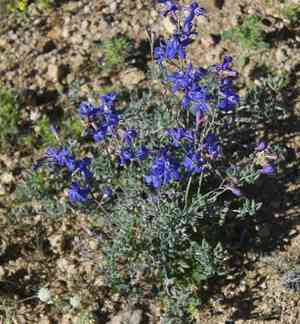
Delphinium exaltatum flourishes in craggy, elevated terrains and favors porous soil with ample air circulation. For propagation, choose to broadcast seeds directly into the ground. Confirm that seeds undergo a chilling period prior to planting. This species benefits from complete sunlight but can endure some dappled light. Consistent irrigation assists in sprouting, yet prevent oversaturation. Applying mulch can assist in retaining dampness and suppressing unwanted vegetation, providing young plants an advantage.
When Is the Optimal Time to Propagate Tall Mountain Larkspur?
Propagation Type
Sowing
Propagation Season
Spring
What Equipment Is Used in Tall Mountain Larkspur Propagation?
Seed Tray
A shallow container for sowing seeds, ensuring organization and consistent moisture. For tall mountain larkspur, it offers a controlled environment vital for germination.
Fine Seed Compost
A specialized soil blend providing excellent drainage and aeration, essential for tall mountain larkspur seedlings. This medium supports robust root growth and prevents waterlogging.
Misting Bottle
Used to gently irrigate seeds and young seedlings without disruption. Tall mountain larkspur seeds need steady moisture, but too much can be harmful; a misting bottle delivers the right amount.
Heated Propagator
An enclosed unit with a heating element to maintain ideal warmth for tall mountain larkspur seed germination. This tool ensures a stable environment, speeding up the germination process.
Seed Label Markers
Crucial for tracking different plant varieties and sowing dates. For tall mountain larkspur, labeling aids in monitoring germination progress and planning subsequent care.
Fine Sieve
Used to lightly cover sown seeds with a thin layer of fine compost or grit. For tall mountain larkspur, this provides protection without compacting the soil, improving germination rates.
Humidity Dome
A clear cover placed over seed trays to maintain high humidity. This is especially beneficial for tall mountain larkspur, creating a micro-environment that prevents seeds from drying out.
Seedling Heat Mat
A warming mat placed beneath seed trays to provide gentle, bottom heat. This tool helps maintain optimal soil temperature for tall mountain larkspur germination, particularly in cooler climates.
Sterilized Tools
Sterile knives or scissors are important for thinning seedlings or making any necessary cuts. For tall mountain larkspur, using sterilized tools prevents disease transfer and ensures healthy plant growth.
How to Propagate Tall Mountain Larkspur?
Propagation Type
Easy
How to Care for Your Newly Propagated Tall Mountain Larkspur?
How to Care for Your Newly Propagated Tall Mountain Larkspur?
Post-transplantation, continue to provide tall mountain larkspur with regular watering, allowing the soil to dry slightly between sessions. Mulch around the seedling bases to retain moisture and suppress weeds. Fertilize sparingly with a balanced, slow-release product. Protect young plants from harsh weather and pests. Watch for any disease signs, especially fungal infections, and treat as needed. As tall mountain larkspur matures, provide support structures if necessary to prevent tall flower spikes from toppling.
Common Mistakes to Avoid When Propagating Tall Mountain Larkspur
Overwatering
Excessive watering of tall mountain larkspur can lead to root rot, significantly reducing the plant's chances of survival.
Poor Soil Drainage
Using soil that doesn't drain well can cause waterlogged roots, resulting in fungal infections and poor root development.
Incorrect Seed Depth
Planting seeds too deep can hinder germination, as they may lack the strength to emerge through the soil.
Insufficient Light
Propagating tall mountain larkspur in areas with inadequate light can lead to weak, leggy growth, affecting the plant's overall health.
Pest Infestation
Failing to monitor for pests can result in infestations that harm young plants and decrease propagation success.
Tips For Propagating Tall Mountain Larkspur
Moderate Watering
Ensure the soil remains moist but not waterlogged to prevent root rot and encourage healthy development.
Well-Draining Soil
Utilize a mix that drains effectively, such as a blend of potting soil, perlite, and sand, to avoid waterlogging.
Seed Depth
Sow seeds at a shallow depth, covering them lightly with soil to facilitate easier germination.
Adequate Light
Provide ample indirect sunlight or bright, filtered light to support vigorous growth and prevent legginess.
Monitor for Pests
Regularly inspect for pests and treat promptly to safeguard young and developing plants from damage.



