How to Propagate Carolina larkspur?
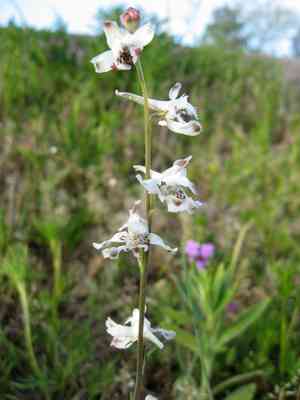
Carolina larkspur is typically multiplied by planting its seeds directly into the ground, making sure they are new for the best sprouting success. It's essential to choose a growing medium that drains well and keep it evenly moist without saturating it. To ensure robust seedling growth, give carolina larkspur plenty of light and moderate warmth, steering clear of overly high temperatures that could hinder development. Lightly sprinkle soil over the seeds since carolina larkspur needs darkness to sprout properly. Endurance is vital, as the germination process can be protracted.
Optimal Time for Carolina Larkspur Propagation
Propagation Method
Seeding
Propagation Period
Spring
Tools for Carolina Larkspur Propagation
Seed trays
Utilized for initiating seeds indoors under regulated environmental conditions, seed trays facilitate simple management and arrangement of numerous seeds. Their shallow depth and drainage holes are particularly advantageous for carolina larkspur, guaranteeing the medium is adequately drained and not excessively wet, which could cause seed decay.
Soil mix
A light and free-draining soil blend is vital for the sprouting and initial development of carolina larkspur. The soil should ideally comprise a mixture of peat, perlite, and vermiculite, fostering aeration and moisture retention, and offering an ideal setting for the delicate roots of germinating seeds.
Grow lights
Especially beneficial when starting seeds indoors, grow lights ensure carolina larkspur receives ample illumination, which is crucial for robust growth and development during periods when natural light might be insufficient. Adjustable intensity and spectrum features of grow lights mimic natural sunlight, promoting superior growth.
Watering can with a fine rose
This implement enables gentle irrigation of seeds and young plants, delivering moisture without excessively disturbing the soil or seeds. For carolina larkspur, which can be delicate in its early stages, careful and precise watering significantly contributes to successful germination and seedling establishment.
Propagator with a humidity dome
This device maintains an ideal humidity level, essential for the germination of carolina larkspur. The humidity dome aids in keeping the air around the seeds moist, encouraging germination while safeguarding the seeds from external disturbances such as pests or harsh environmental conditions.
Propagating Carolina Larkspur
Propagation Type
Simple
Caring for Newly Propagated Carolina Larkspur
Caring for Newly Propagated Carolina Larkspur
Post-germination, continue to provide carolina larkspur with bright, indirect illumination and moderate irrigation, allowing the soil to dry slightly between waterings. Once seedlings have developed their second set of true leaves, they can be thinned or transplanted into individual containers. Fertilizing with a diluted liquid feed monthly during the growing season will support vigorous growth. During the initial winter, shield from extreme cold and frost if kept outdoors, or overwinter young plants indoors to ensure survival.
Common Errors to Avoid When Propagating Carolina Larkspur
Overwatering
Excessive watering can lead to root rot in carolina larkspur, a condition where surplus moisture hinders the plant's ability to respire effectively through its roots, potentially resulting in stunted growth or demise.
Using poor draining soil
Soil that lacks proper drainage can retain too much moisture around the roots of carolina larkspur. This can cause similar problems to overwatering, such as root diseases and reduced oxygen supply to the root system.
Deep planting of seeds
Sowing seeds too deeply can prevent carolina larkspur's seeds from sprouting correctly due to insufficient access to light and air, critical elements for initiating the germination process.
Neglecting pest control
Ignoring the presence of pests during the propagation of carolina larkspur can lead to pests feeding on young shoots and leaves, weakening the plant and decreasing the success rate of propagation.
Advice for Propagating Carolina Larkspur
Light soil mix
Employing a light, well-drained soil mixture helps provide the correct balance of moisture and air circulation for carolina larkspur's roots, fostering healthier growth and reducing disease risk.
Moderate watering
Maintaining moderate watering ensures the soil remains moist but not saturated, supporting optimal growth conditions for carolina larkspur without risking root rot.
Shallow seeding
Sowing seeds superficially allows them to receive adequate light and air, enhancing the germination rate for carolina larkspur. This is crucial for successful propagation from seeds.
Regular pest monitoring
Periodically checking for pests and managing them appropriately helps protect carolina larkspur during its vital growth phases, ensuring stronger and healthier development.



